
best images from abisko 25/26 season
Abisko is a remote village located in the heart of the wildest region of Europe, the Swedish Lapland. Abisko is also my winter home since 2019.
The following is a selection of photos I took during the 2025–2026 winter season. This was my seventh winter in this beautiful national park, and in this article I’ve tried to summarize and include not necessarily the best photos, but those that capture some of the most meaningful and moving moments I’ve been lucky enough to experience in nature. After years spent in the same place, it is not just a matter of taking spectacular photos, but also a work of documentation.
Below are the images that immortalize the most significant moments of my 2025/26 season
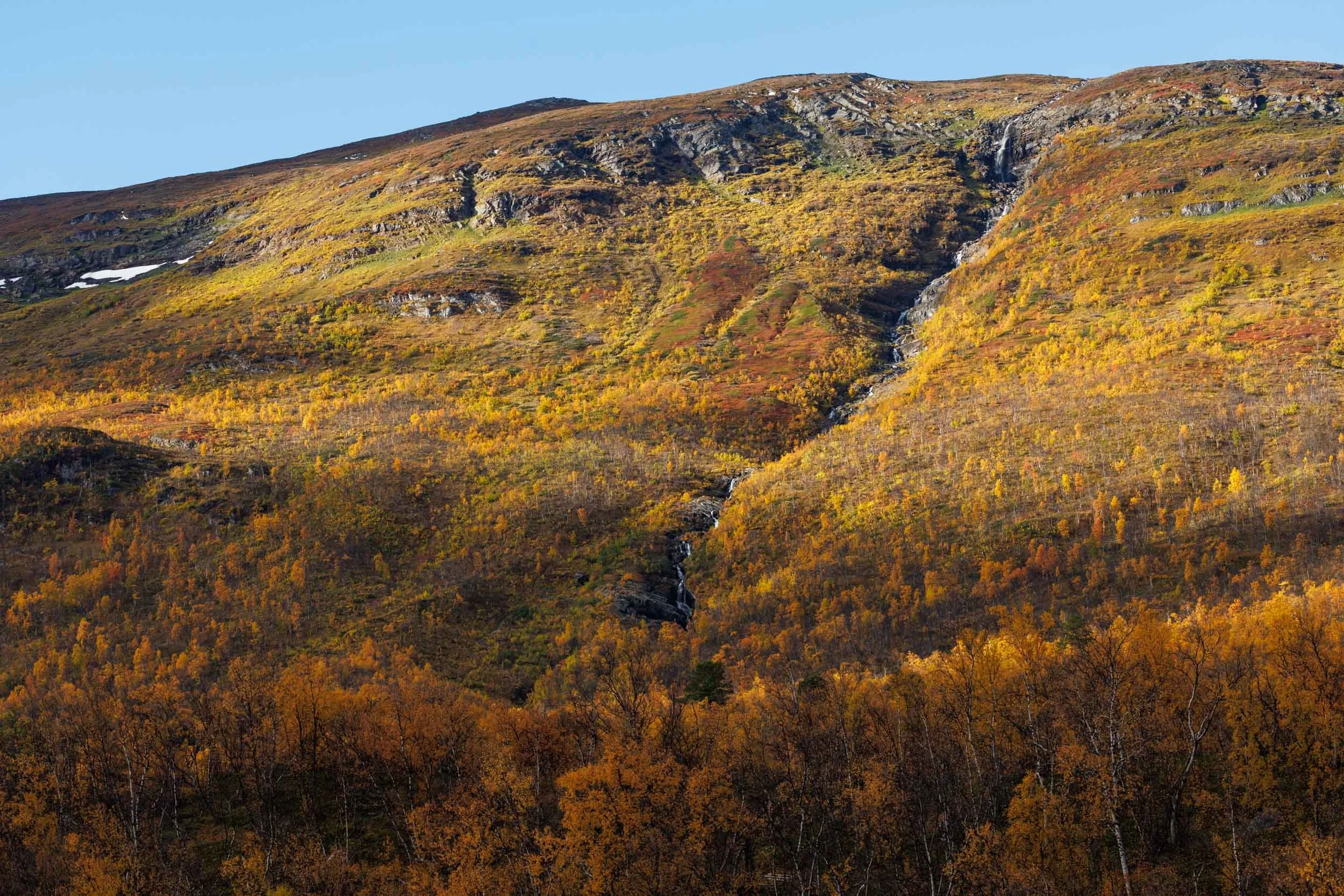
The Rihtunjira Waterfall cascades down Njulla, which is still dressed in its autumn colors. The photo was taken on September 30, the day after I arrived in Abisko. Usually, the autumn colors aren’t this vivid at the end of September, but because the cold and snow are arriving later and later, things are changing, and winter is unfortunately arriving later and later.
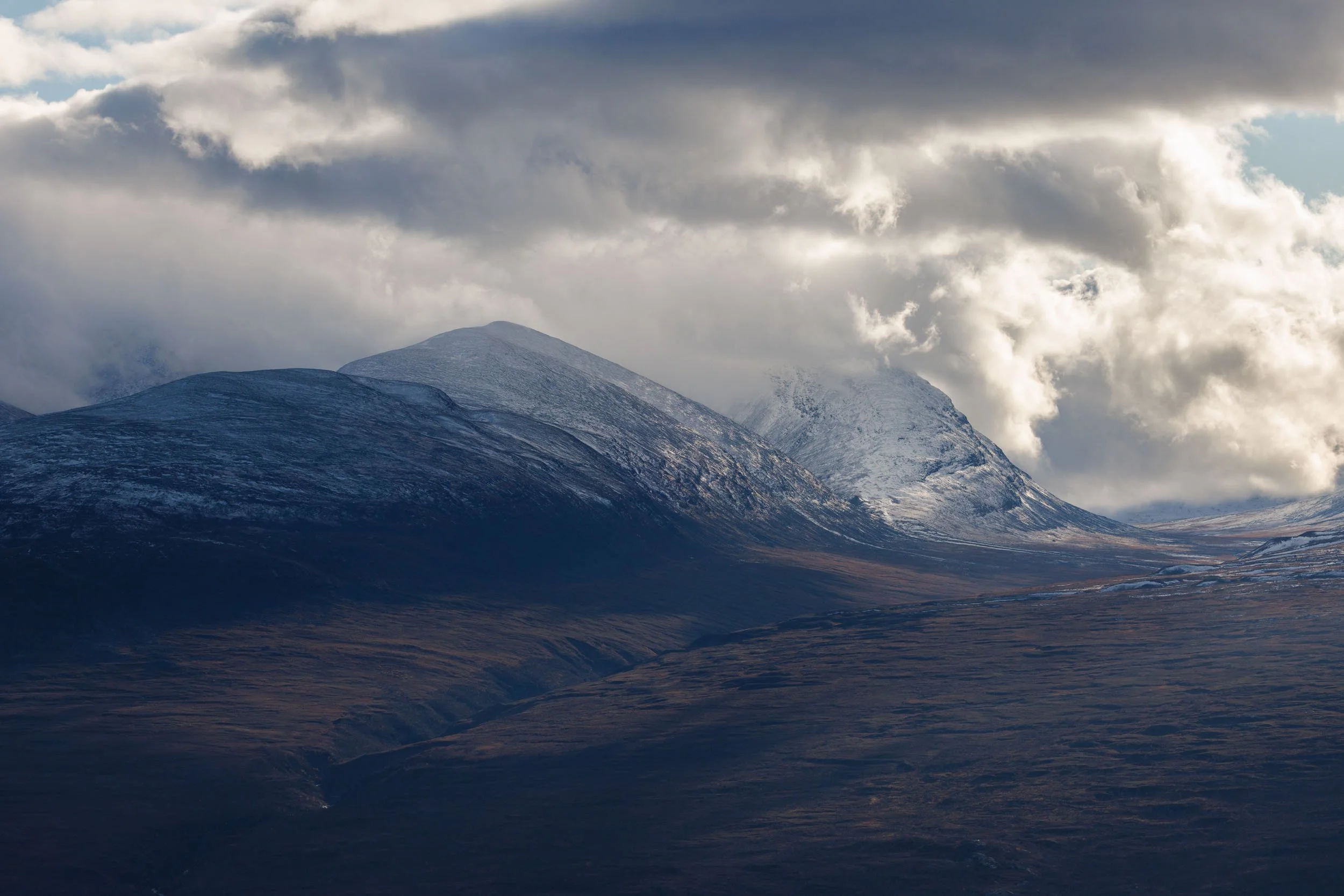
Dramatic clouds over the Nisson Valley as seen from the summit of Slåttatjåkka, the peak located to the side of the more famous Njulla, in Abisko National Park
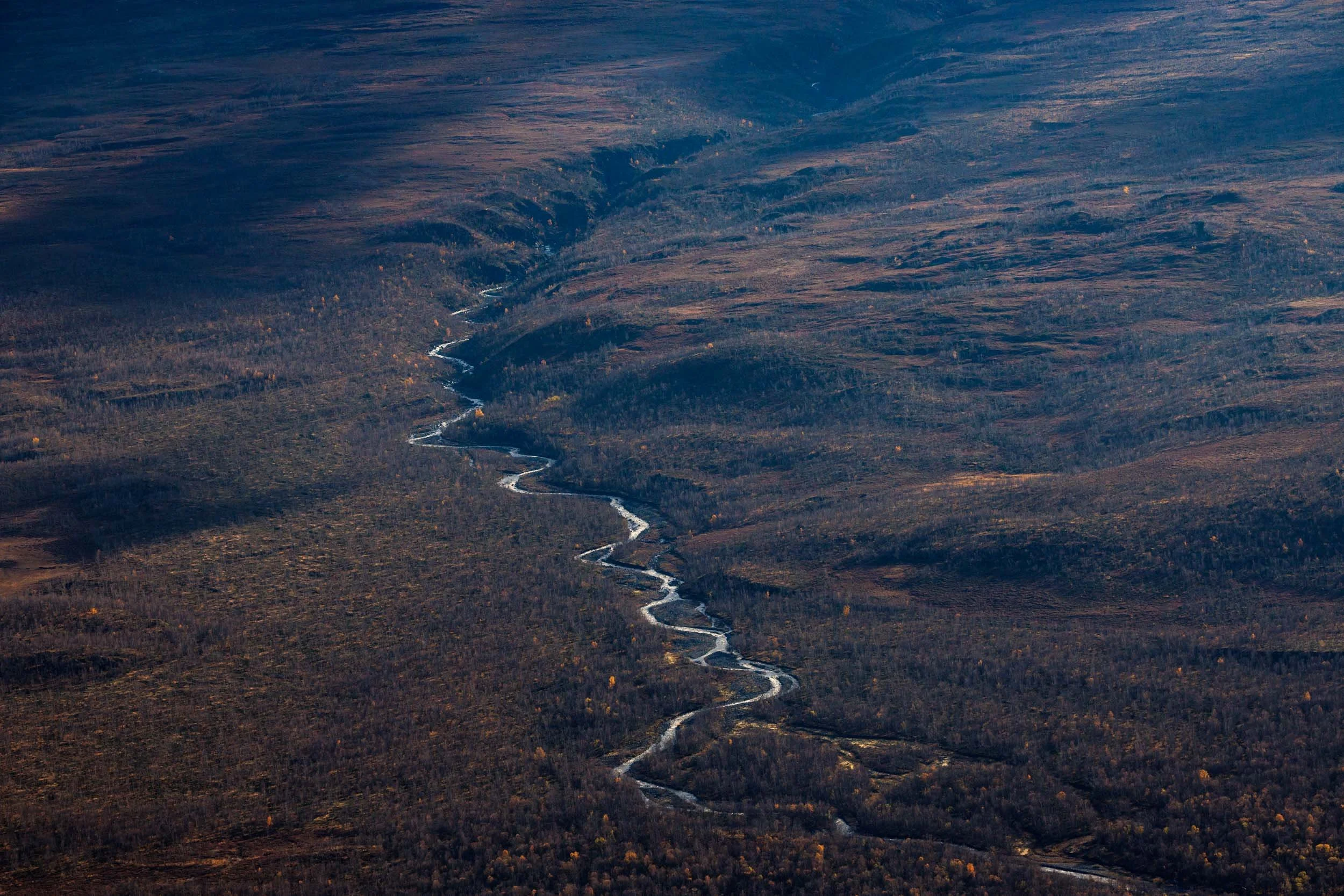
The Nisson River photographed from the mountains in late autumn
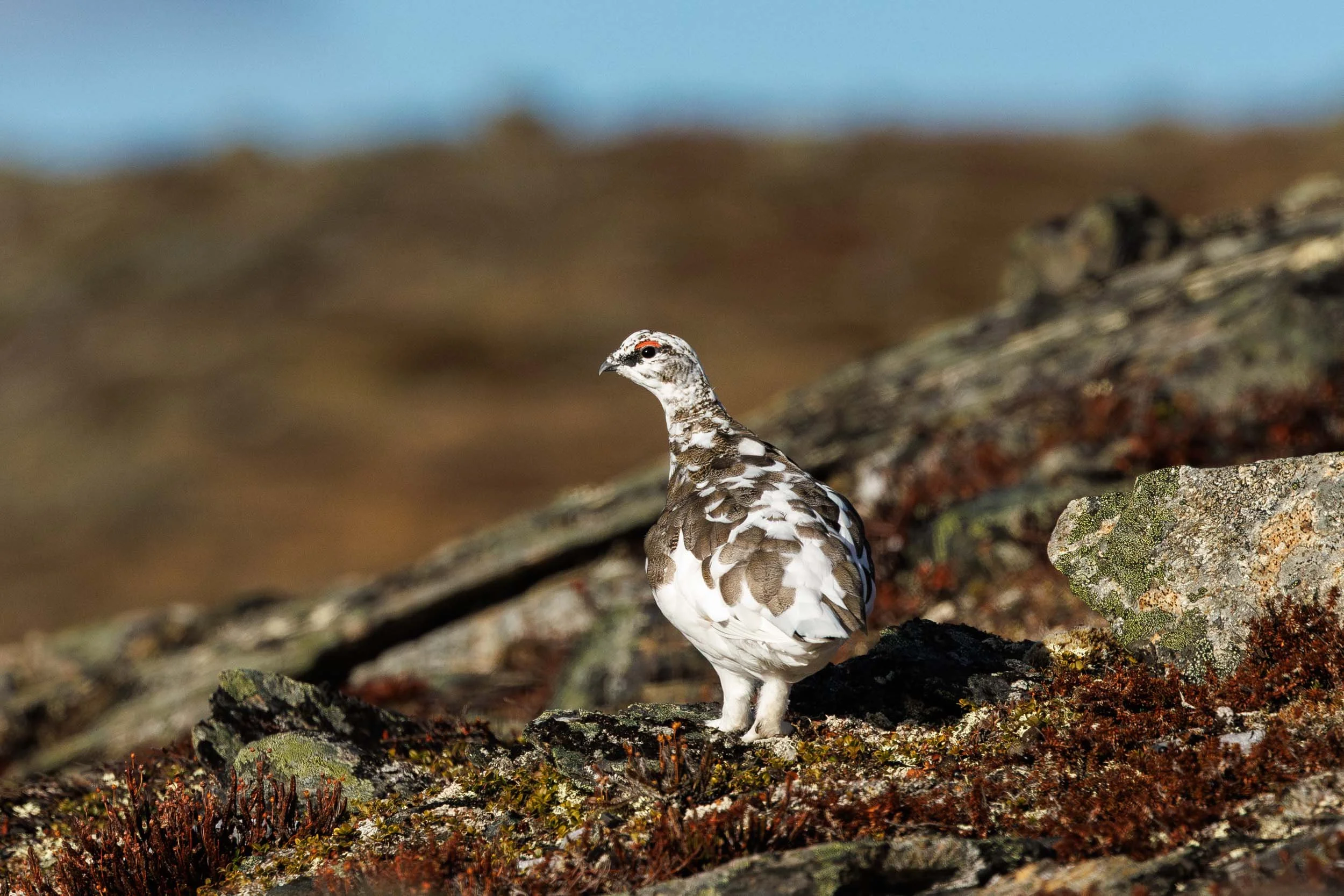
A male rock ptarmigan in the mountains of Abisko National Park. The photo was taken on October 6, and the molting process from summer to winter plumage has already clearly begun, even though the mountains are still completely snow-free.
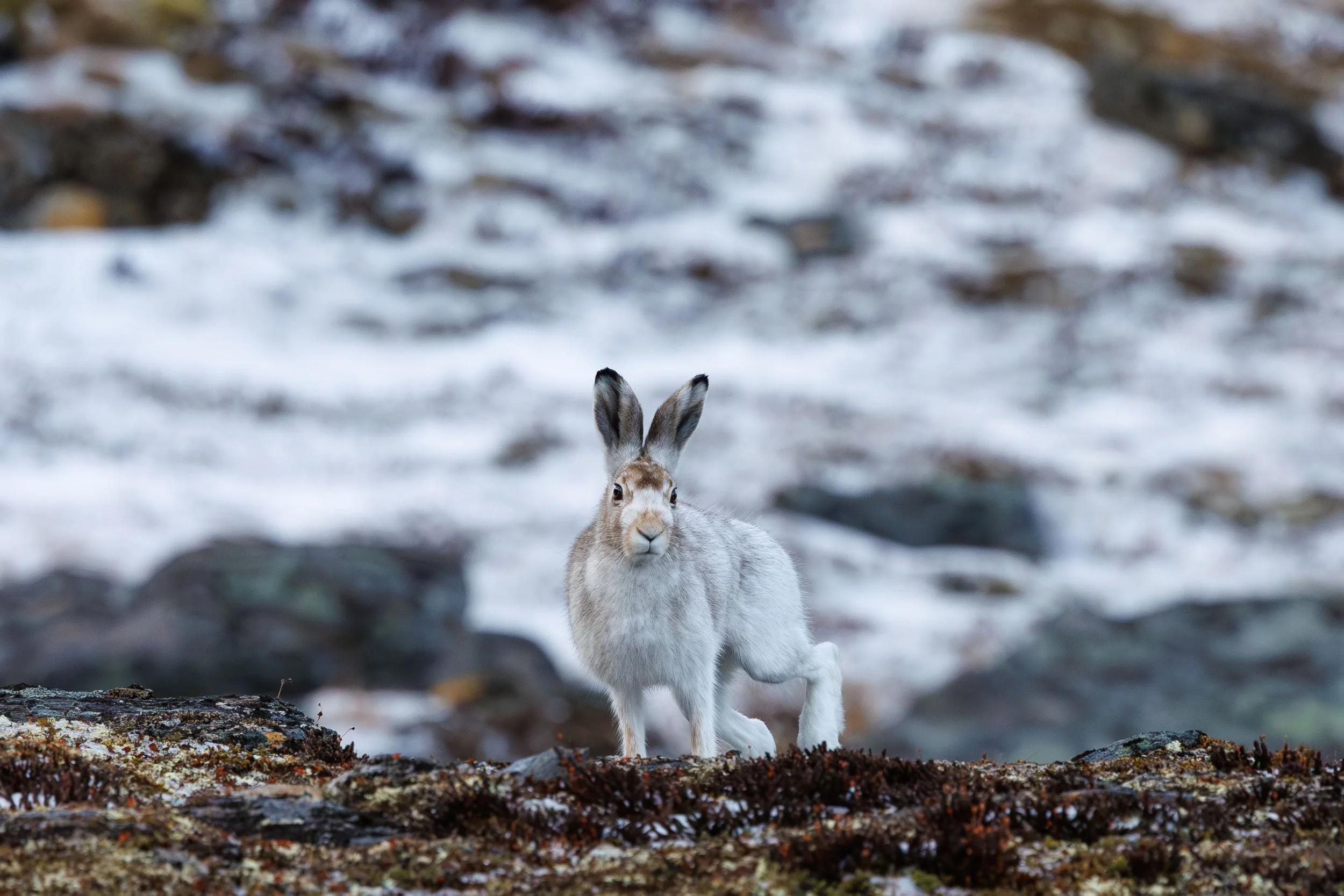
A mountain hare in the mountains of Abisko National Park. This photo was also taken in early October, and the transition from summer to winter coat is nearly complete.
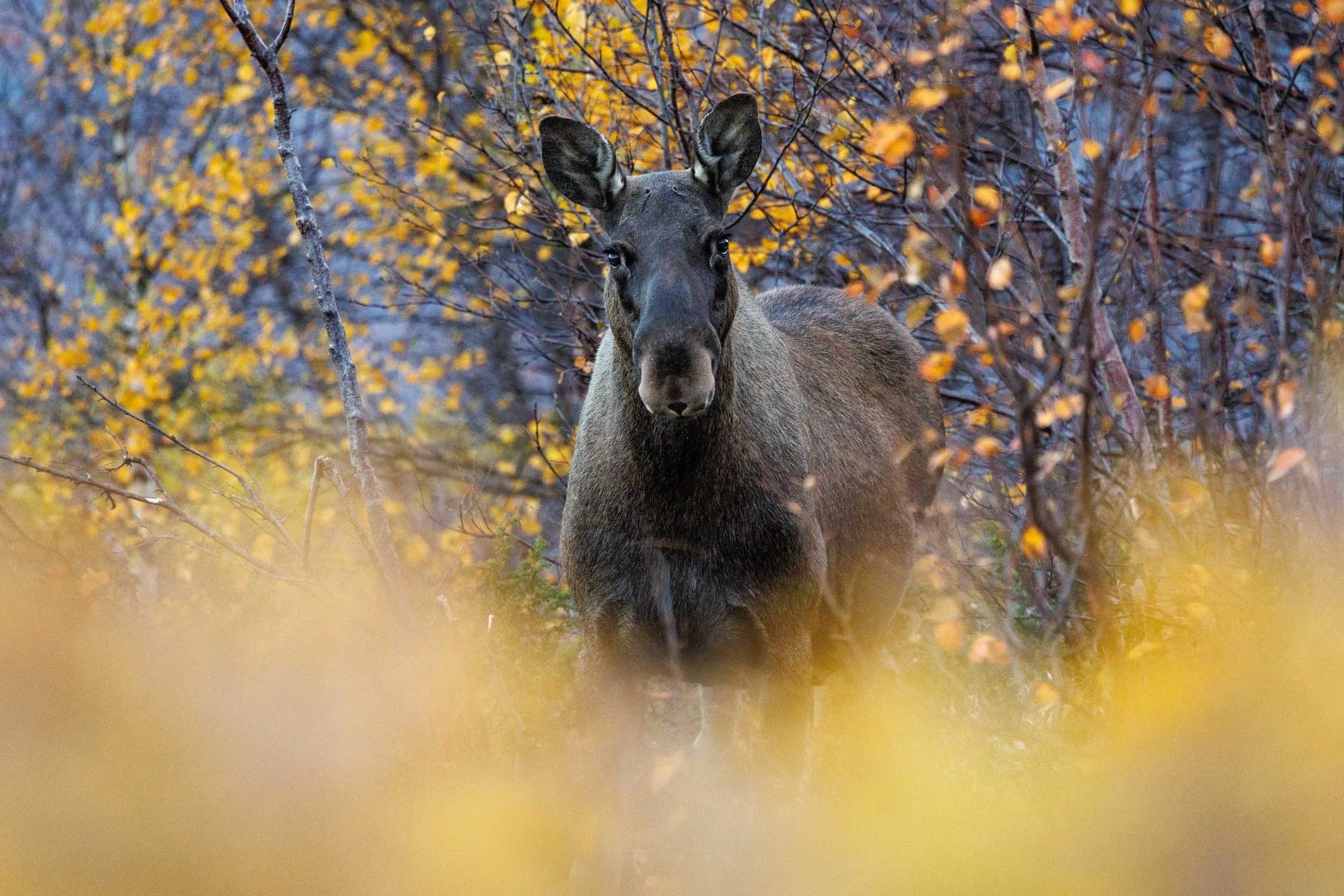
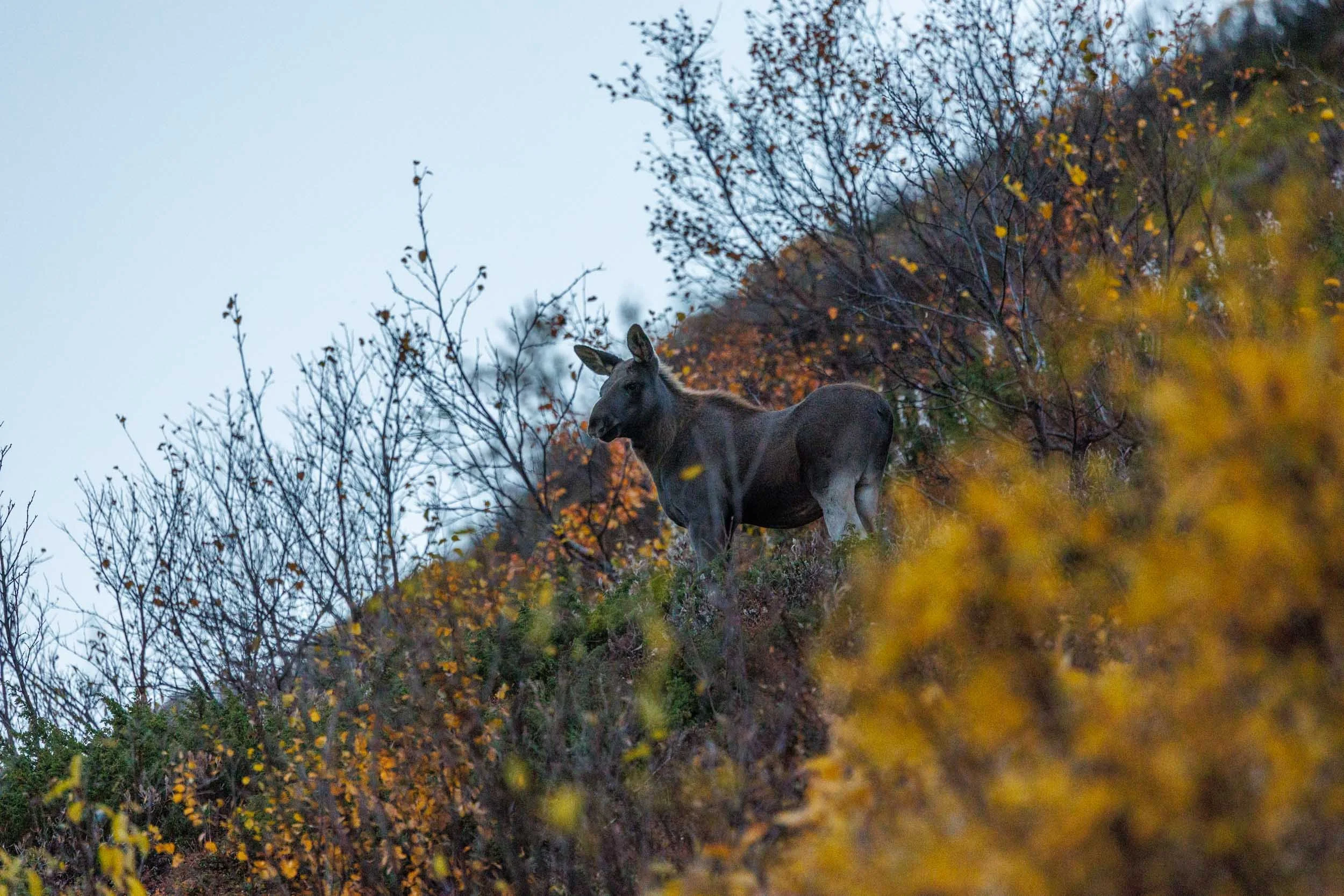
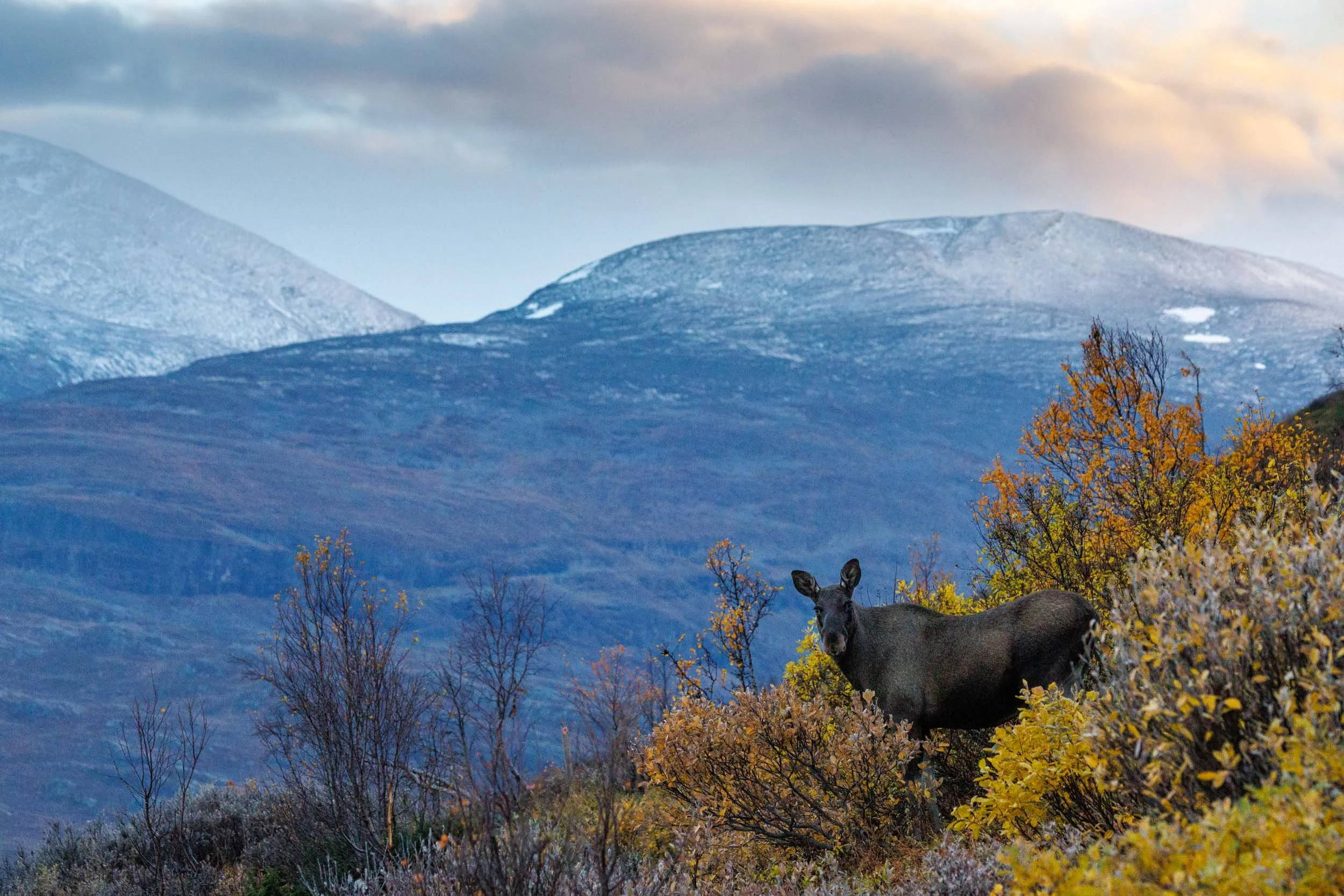
A lucky encounter with the first moose of the season—a mother and her calf into the last traces of autumn colors still present on the vegetation. I was really hoping to capture this iconic animal against the warm hues of autumn, and I managed to do so on one of the last days I had the chance. A few days later, the first snow fell
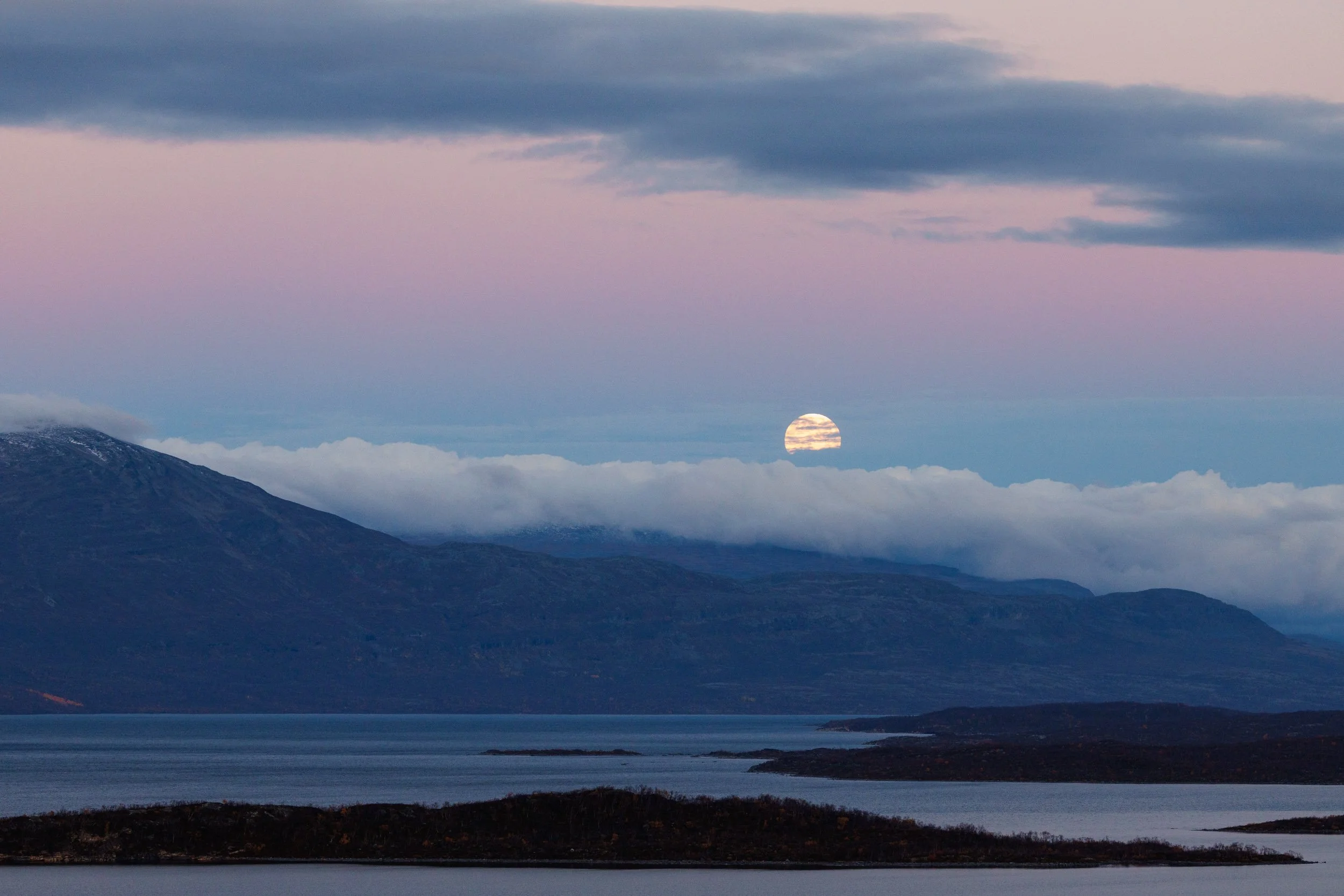
The moon rises at dusk over Lake Tornetrask and the mountains
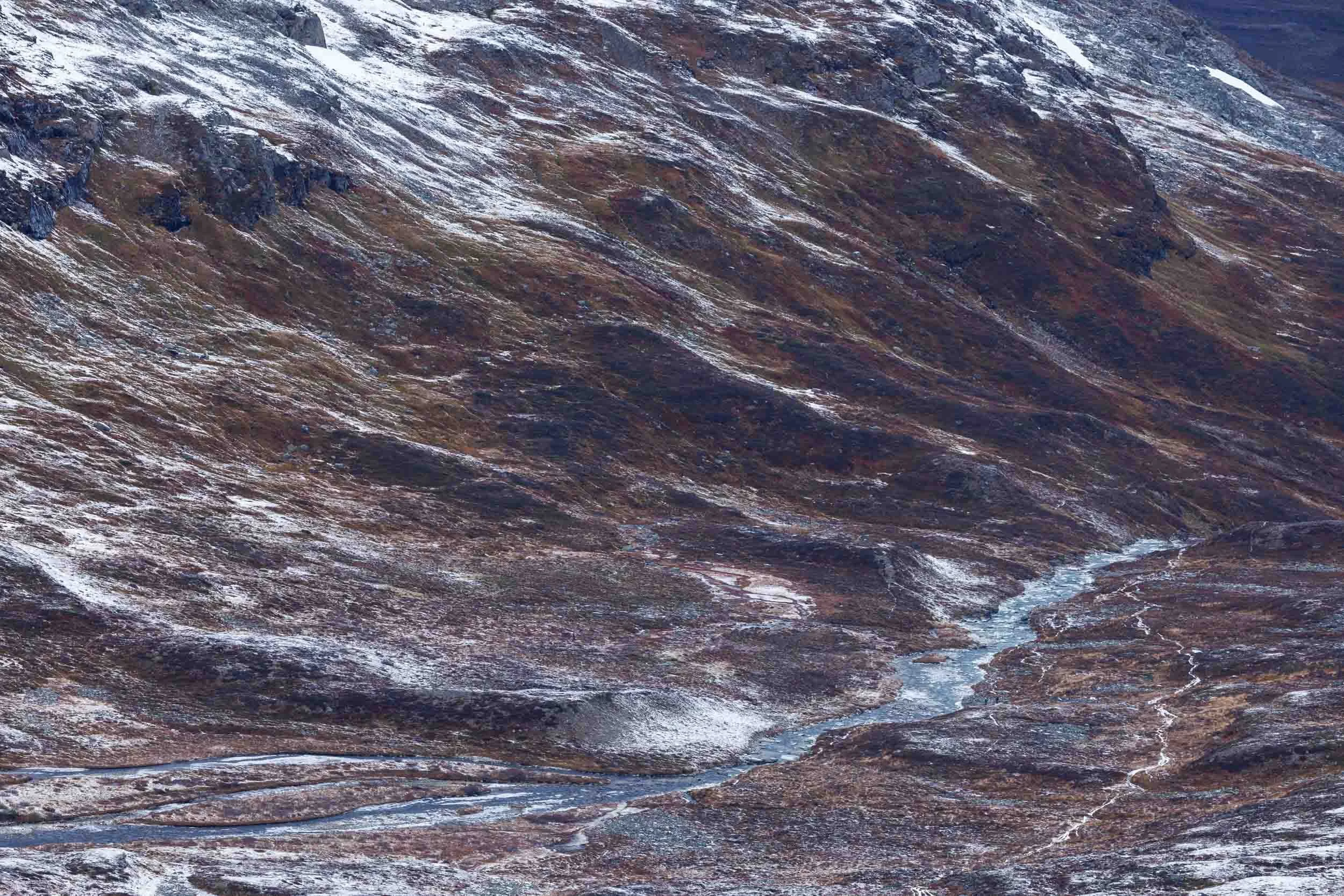
The first snow falling in the valley, still ablaze with the last hues of autumn, ancient glacial lines and grooves, and the newly frozen Gohpasjohka River create a landscape that looks almost as if it were painted
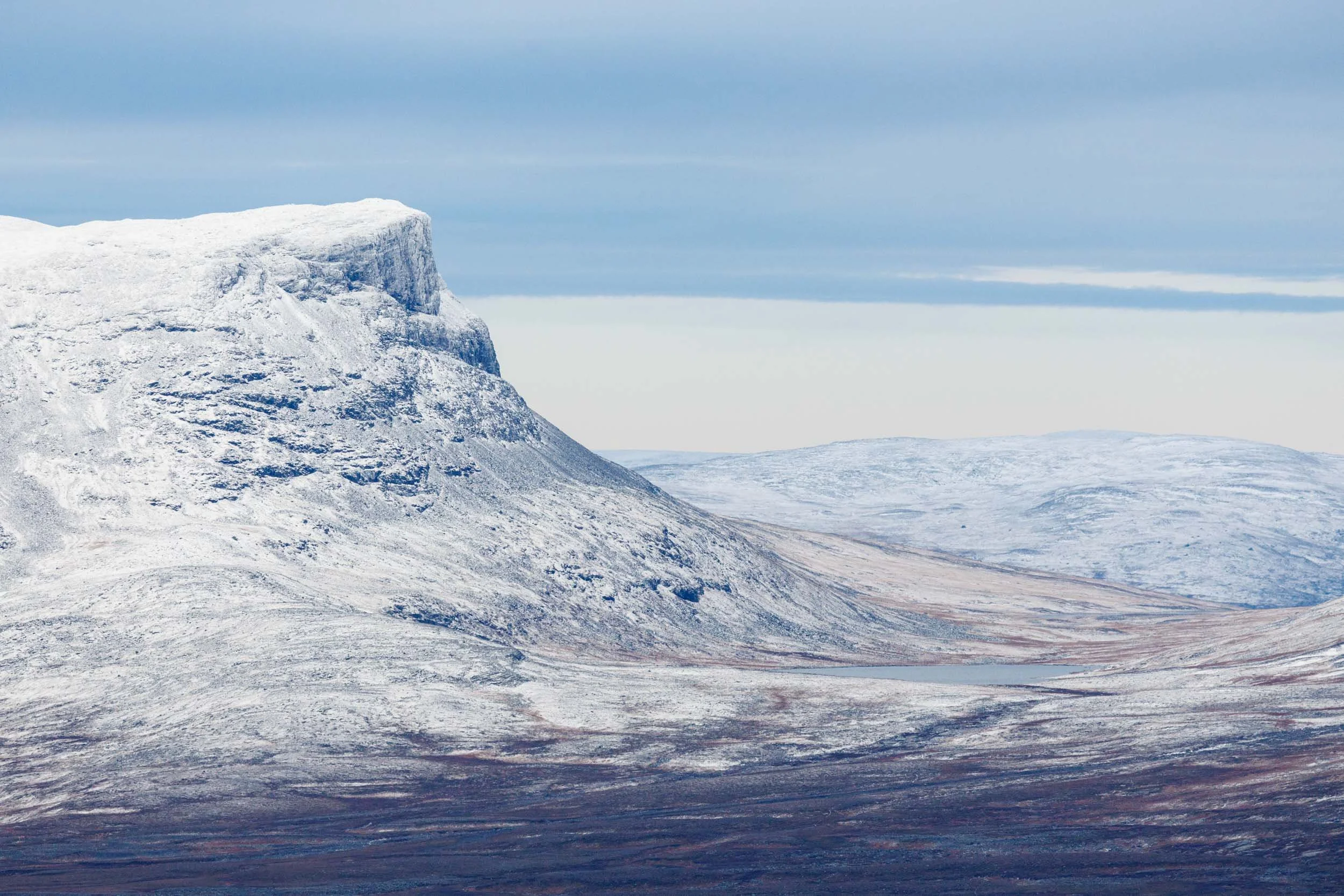
The mountain that forms the left (northeast) side of Lapporten, the famous U-shaped valley in Sweden, Tjuonatjåkka, and Lake Čuonjájávri (located at 950 meters above sea level within the valley)
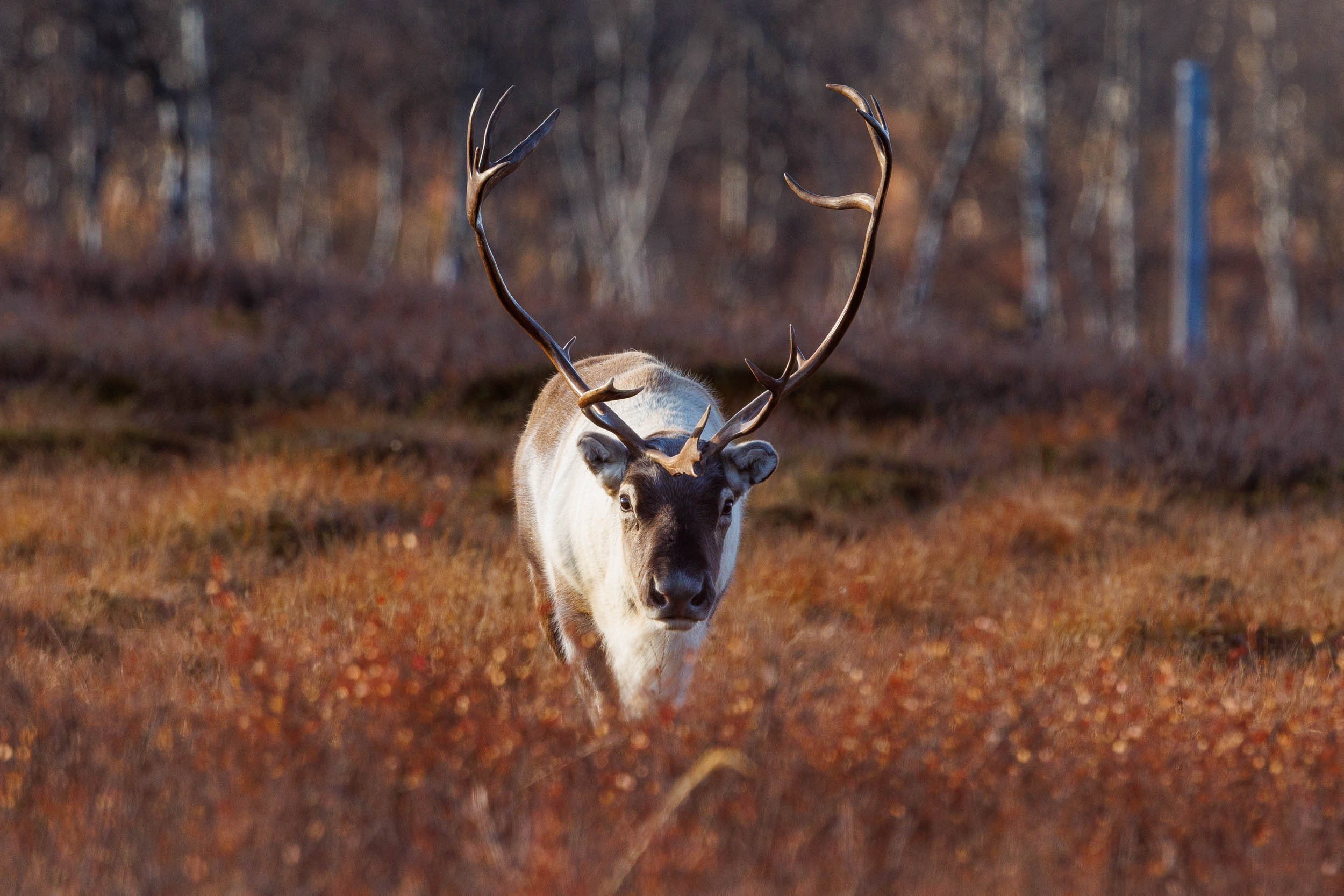
I knew there was a small herd of reindeer in the Abisko area, and I also knew it was the last day before the weather turned cold and snowy. So I spent the day wandering around the area, hoping to photograph the reindeer bathed in the warm colors of autumn and the low October sun. I got lucky!
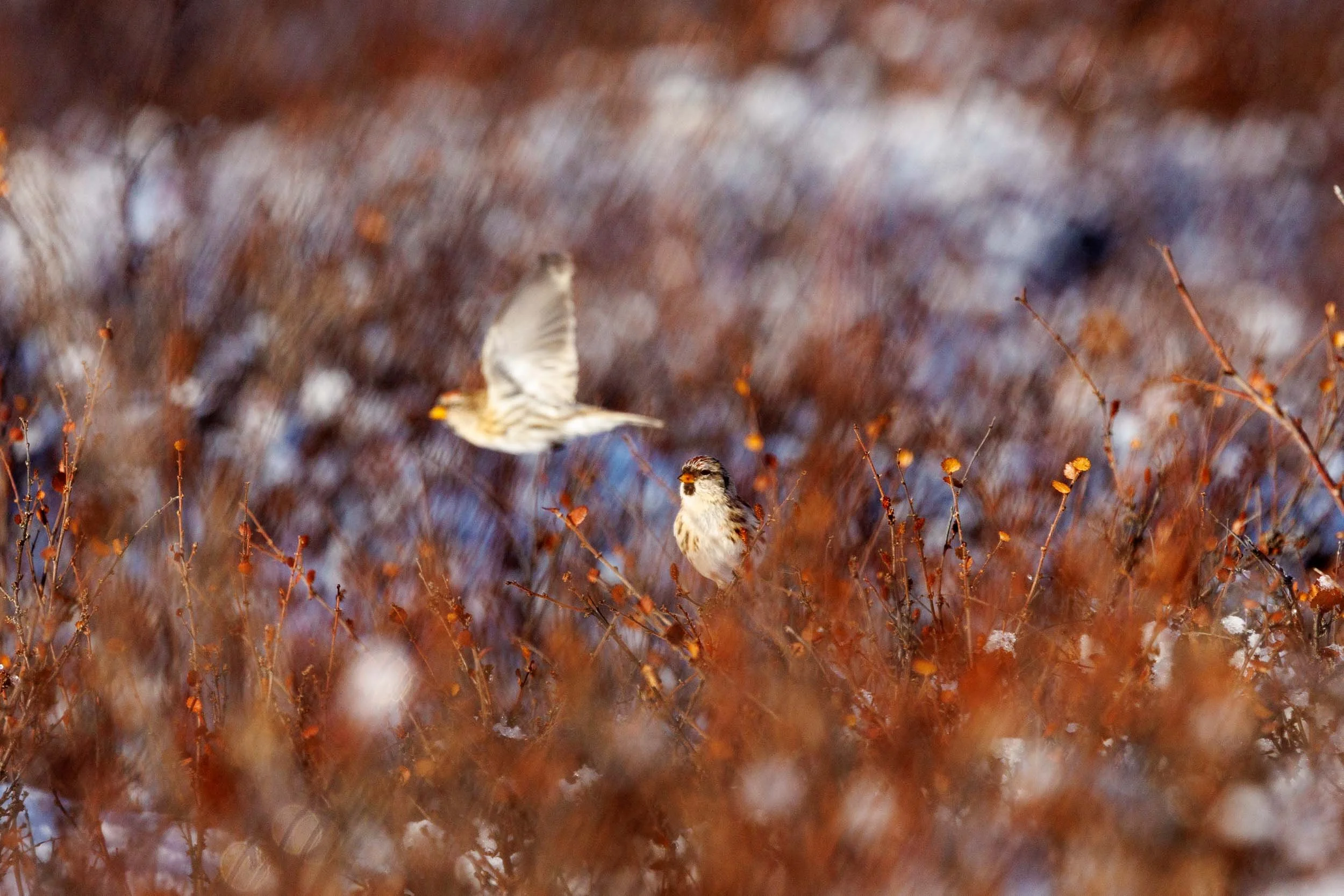
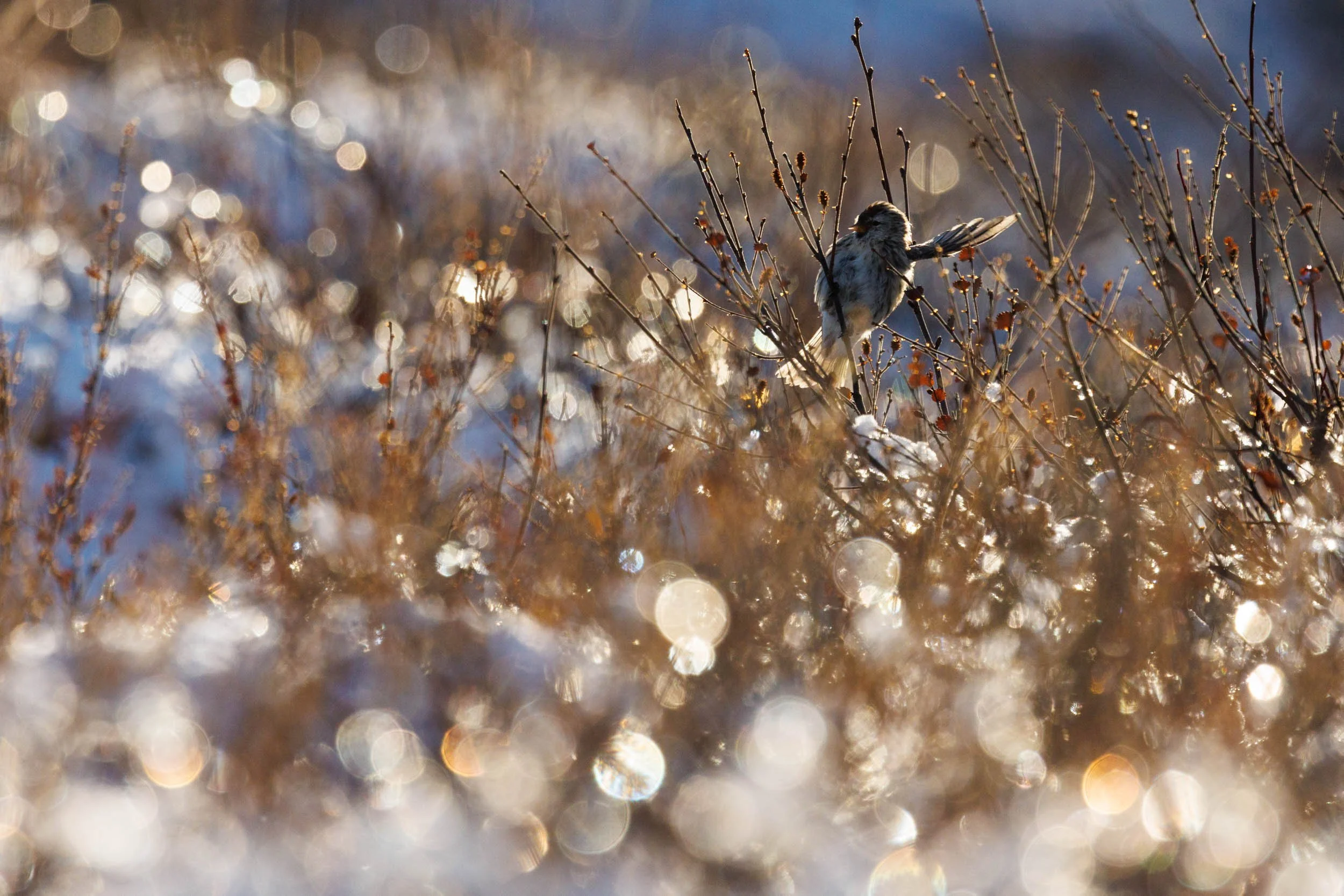
One morning, while walking through the national park, I came across a group of redpolls feeding on the small shrubs. The warm light of the low sun and the autumn colors still visible on the ground, mixed with the snow and frost, created an interesting scene.
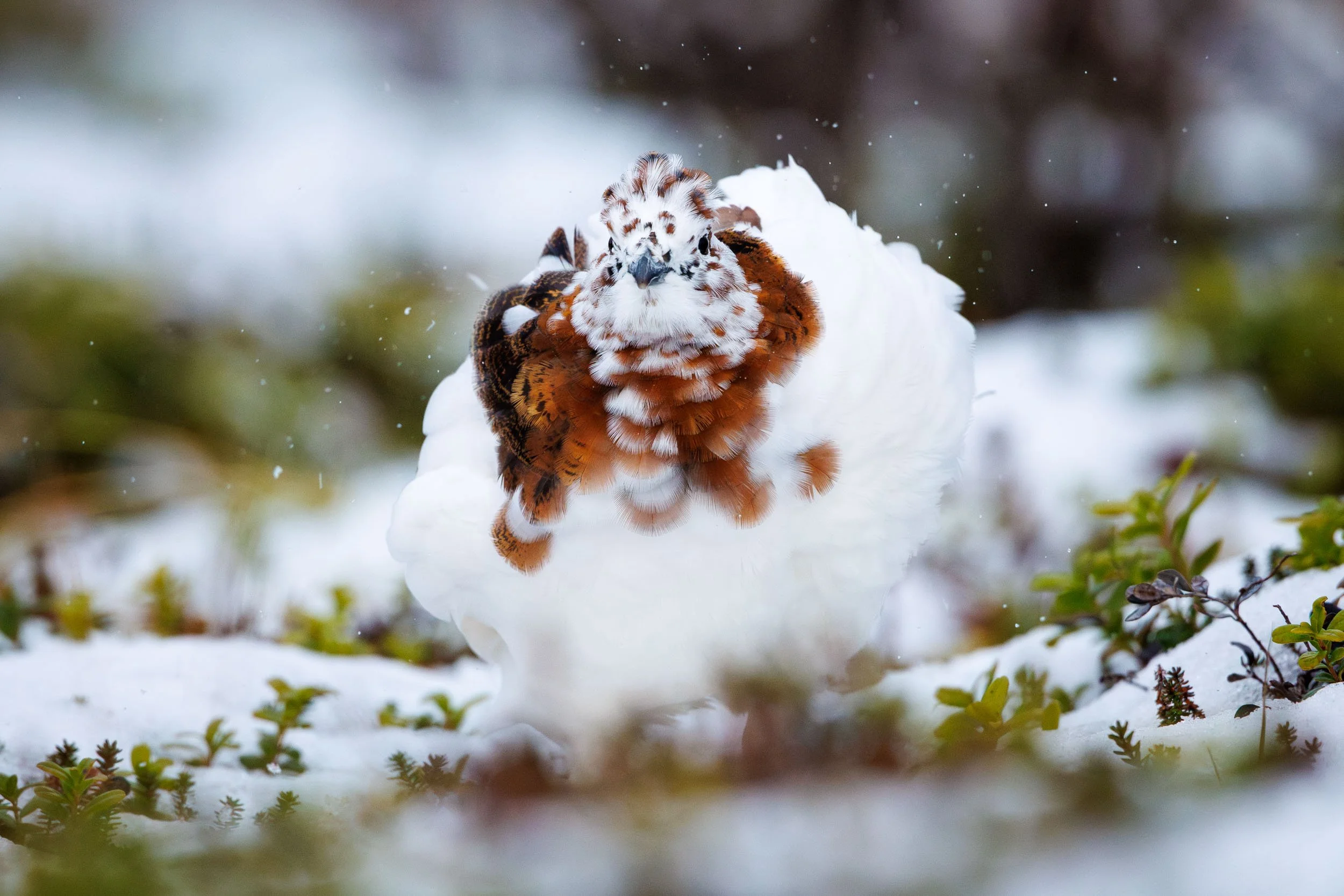
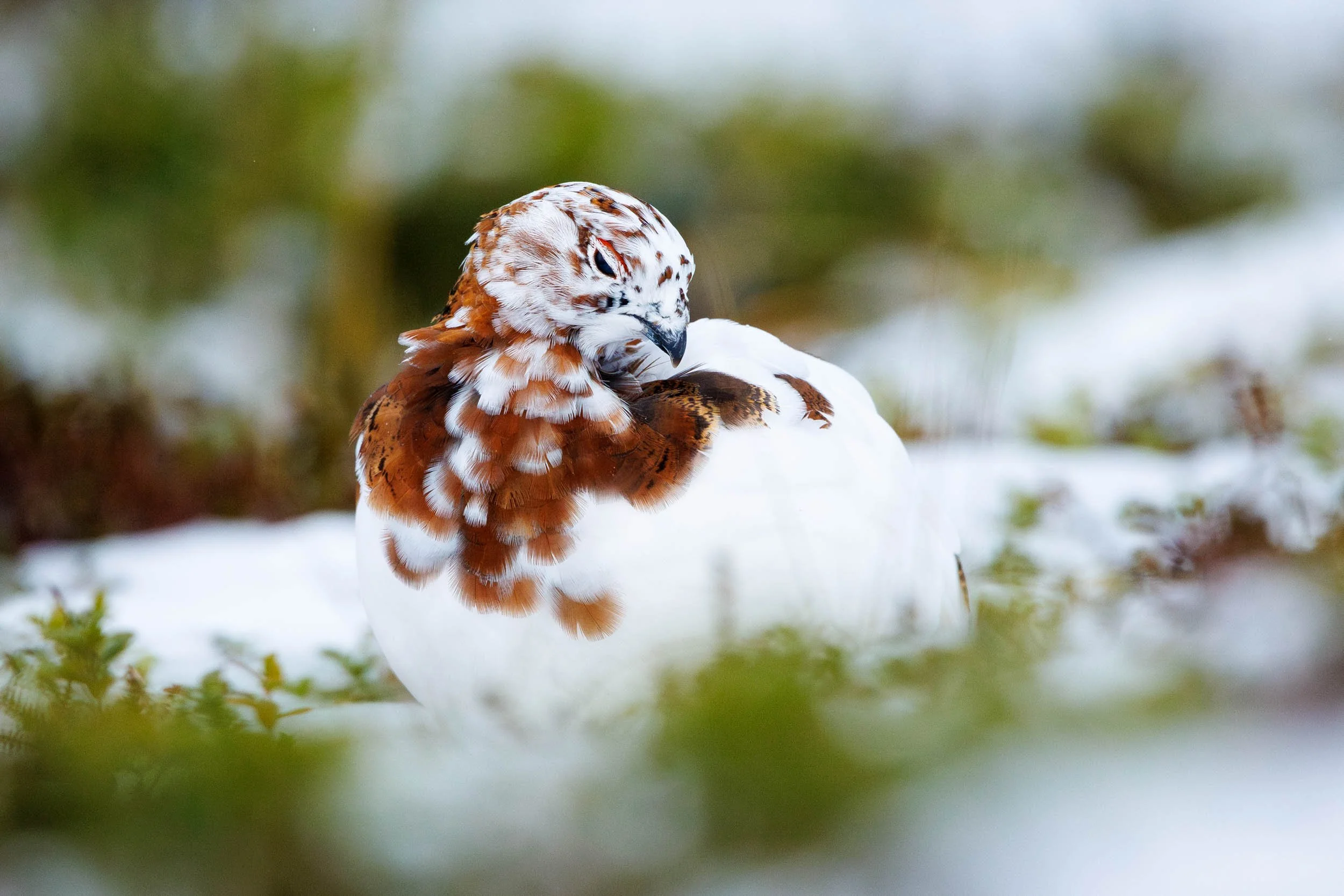
I photographed this willow ptarmigan in Abisko National Park in late October (the last week of the month). This male is in the midst of molting from his late-summer plumage to his winter plumage.
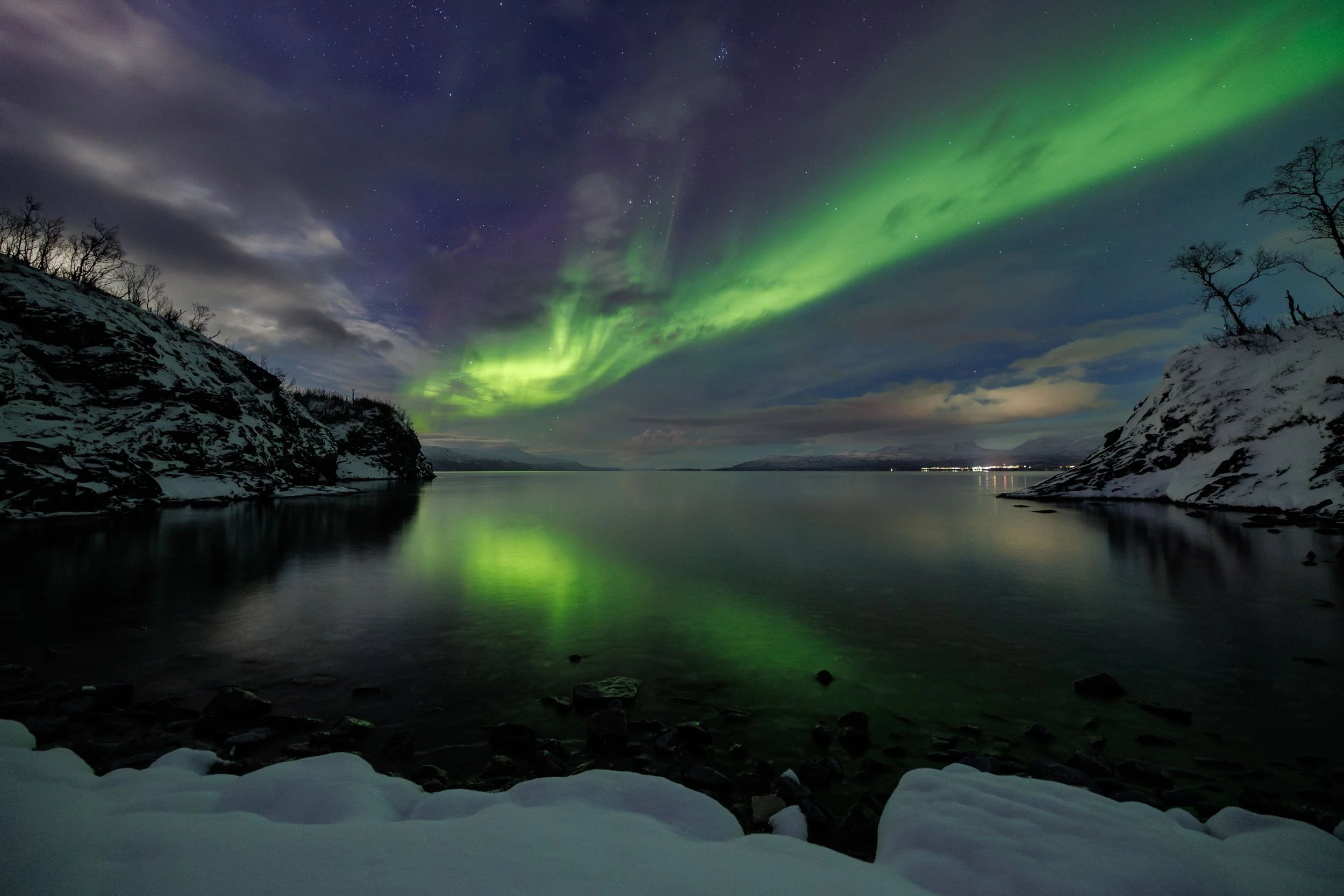
A beautiful aurora reflected in the calm waters of Lake Torneträsk. It happened while I was leading a tour. The sun has been very active this season, and auroras haven’t been rare, but the conditions that evening were simply perfect. There was no wind, and the lake was completely still. Nights like this are simply wonderful and make my job a pleasure.
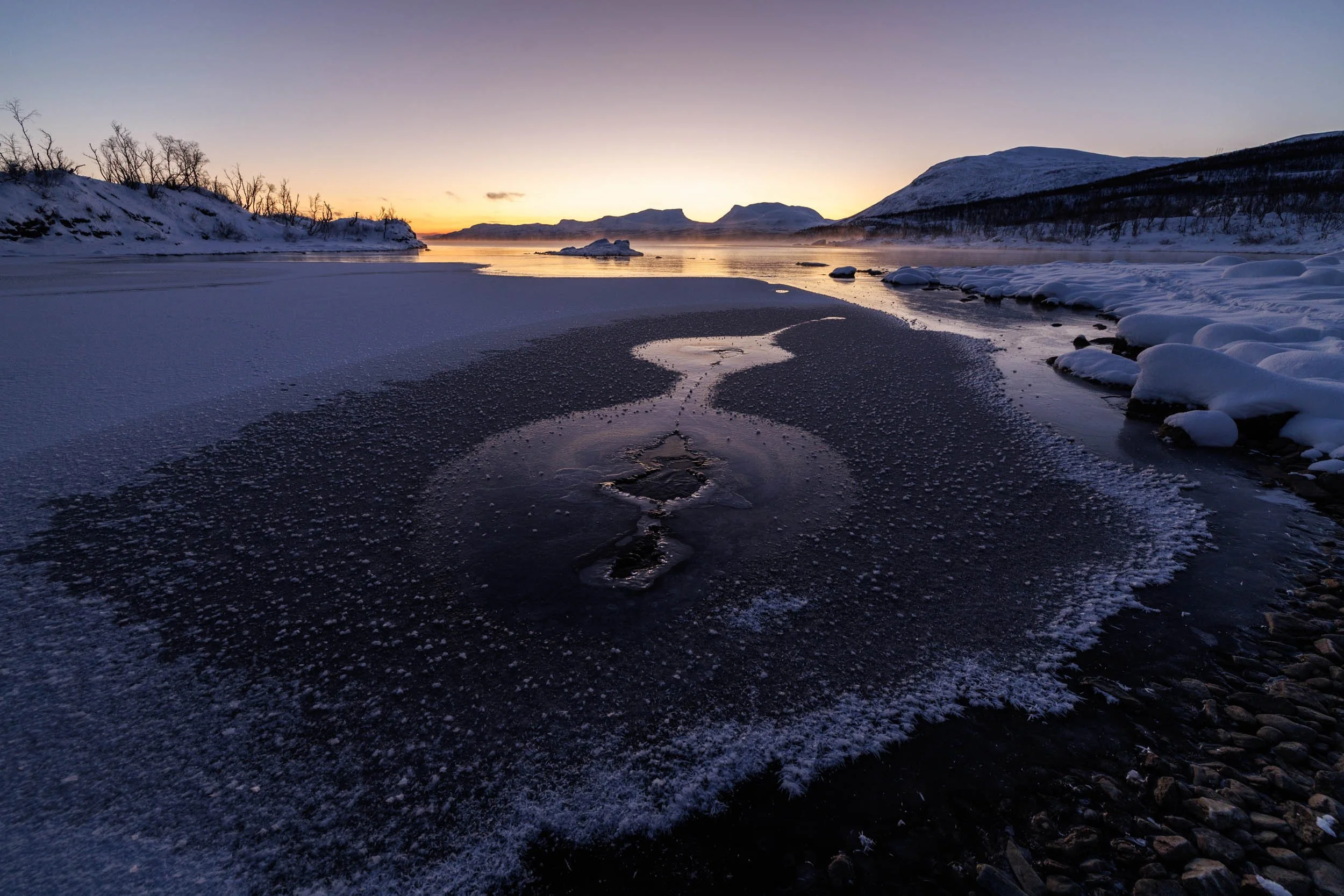
Winter arrives, the light fades, and snow and ice take over. Lake Torneträsk begins its inexorable process of freezing over. The water cools and changes state, from liquid to solid. It is a magical and unique time of year, a time that arrives later and later due to climate change. A unique and magical time that I always try to enjoy to the fullest. Photo taken on the shores of Lake Torneträsk on November 20, 2025, at 8:45 a.m.
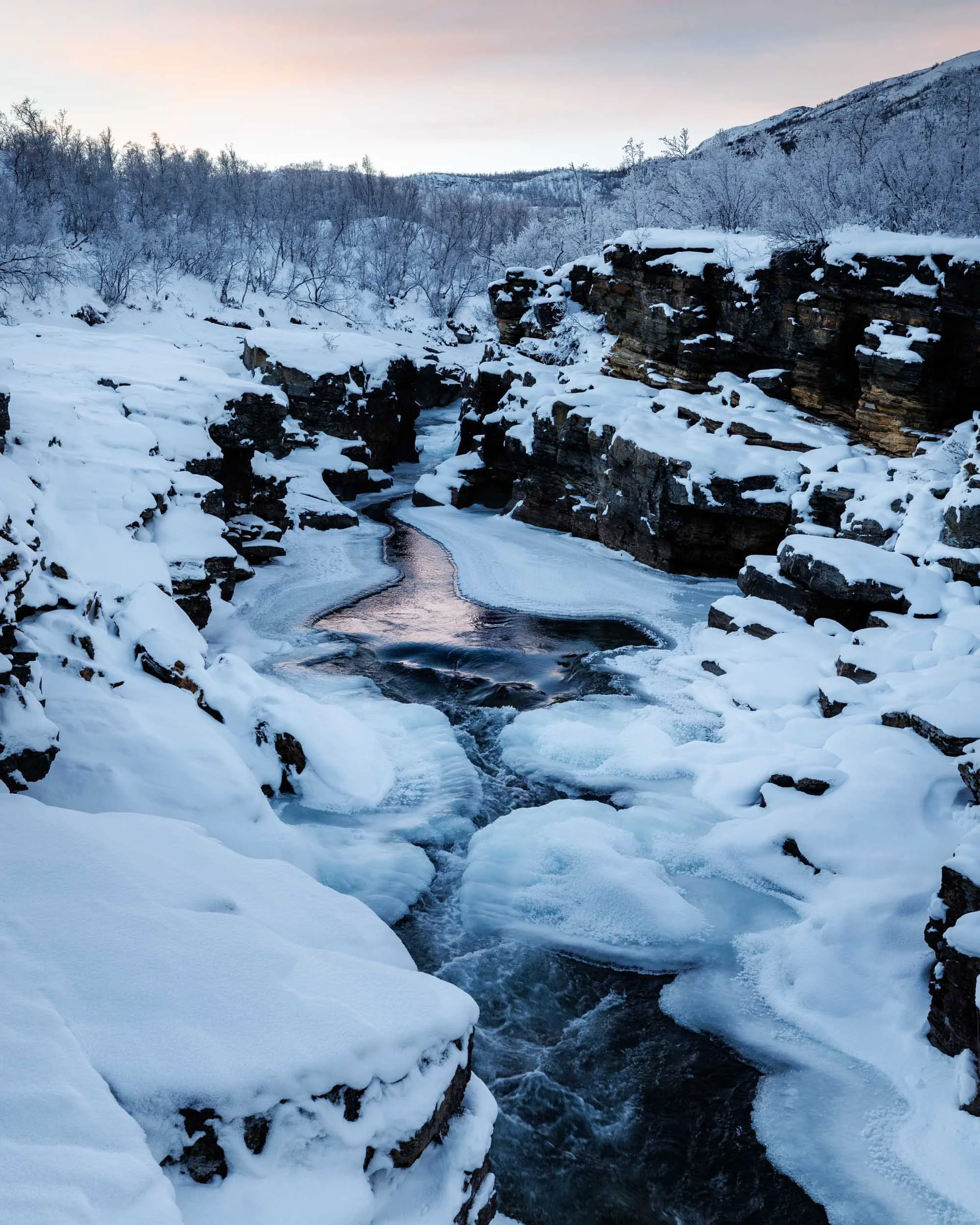
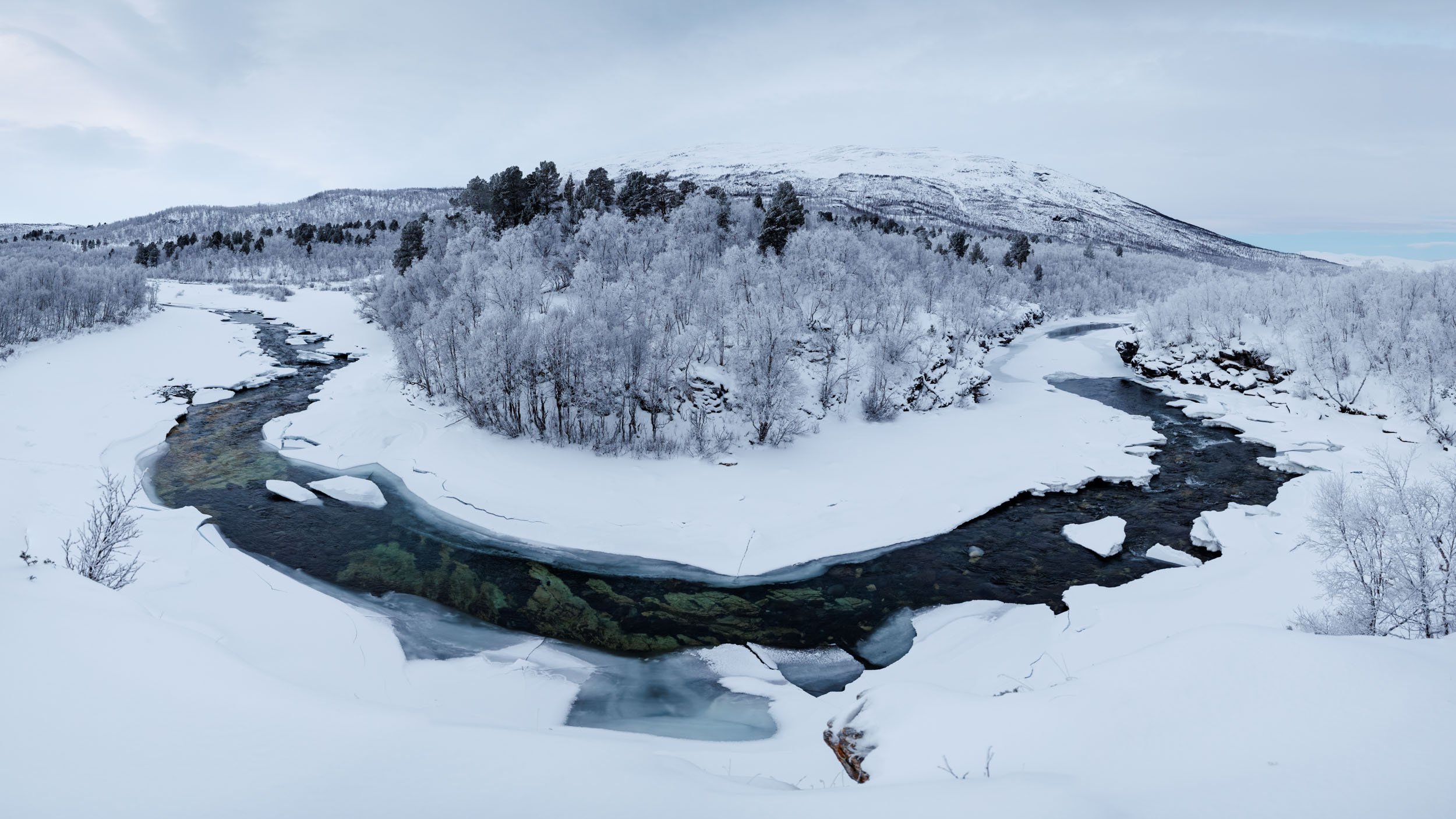
The upper section of the Abisko Canyon after the first few very cold days of November, when temperatures dropped below -20 degrees Celsius for a few days. The river is beginning to freeze, there is less and less liquid water, and the moisture freezes on the trees, creating a magical atmosphere.
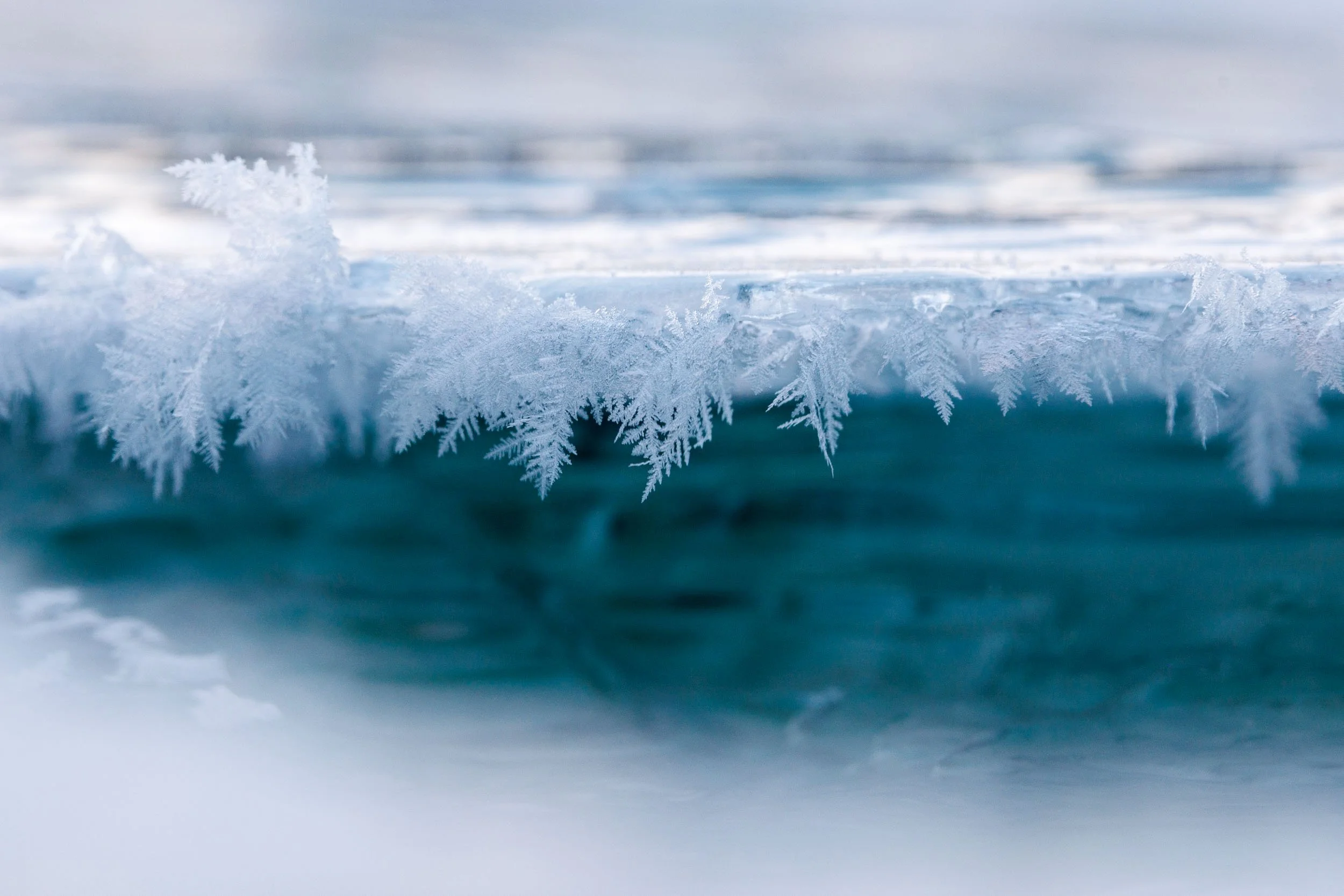
Ice flowers form due to humidity and extreme cold in the Abiskojokk
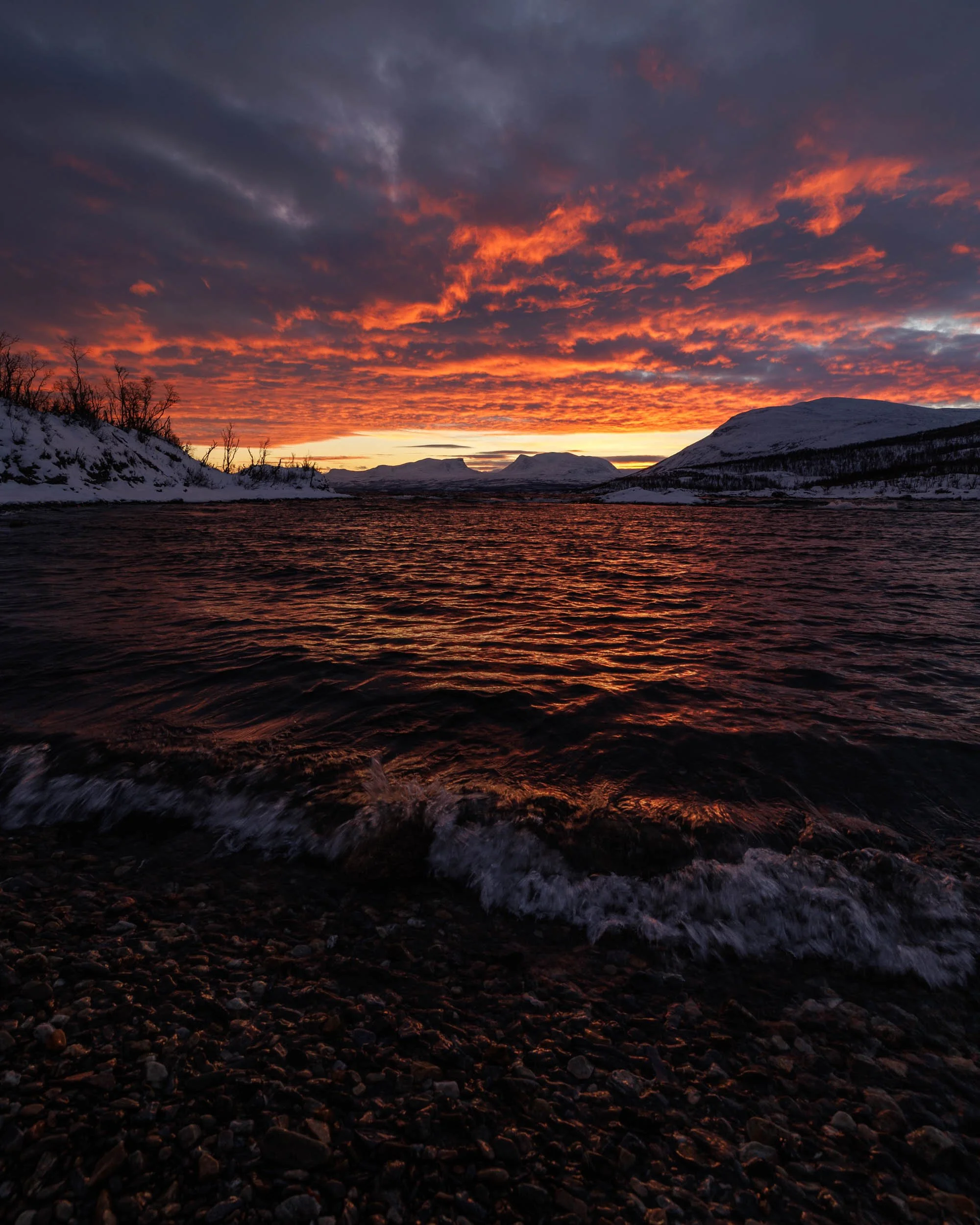
Fiery red clouds over Lapporten are reflected on Lake Tornetrask during one of the last sunrises of 2025
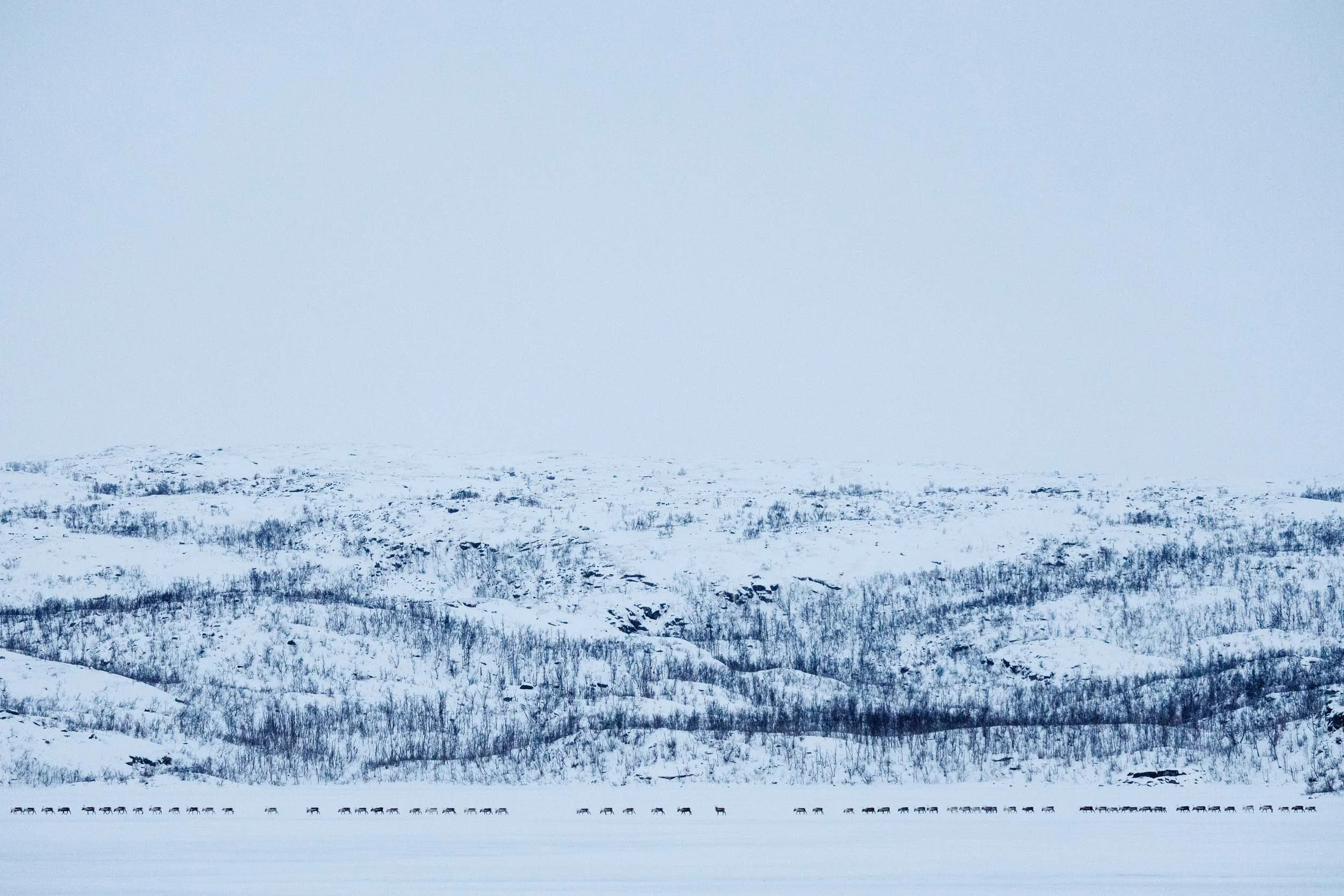
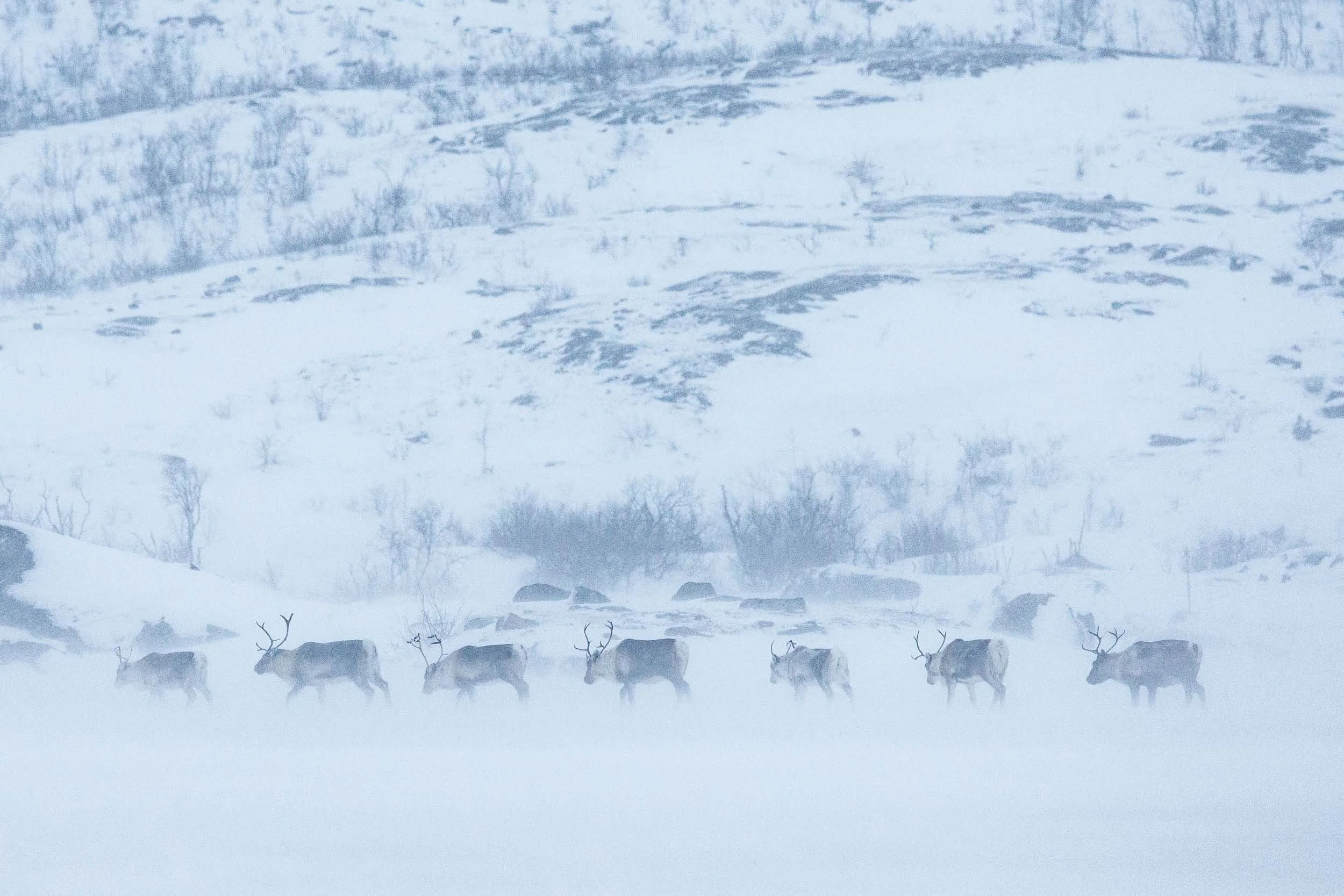
Between late November and December, there is a great deal of reindeer activity in the Abisko area, as they are herded for the annual roundup that always takes place at the start of winter. It’s a spectacular sight to see them crossing a small frozen lake in large numbers, swept by strong winds and swirling snow. An epic scene.
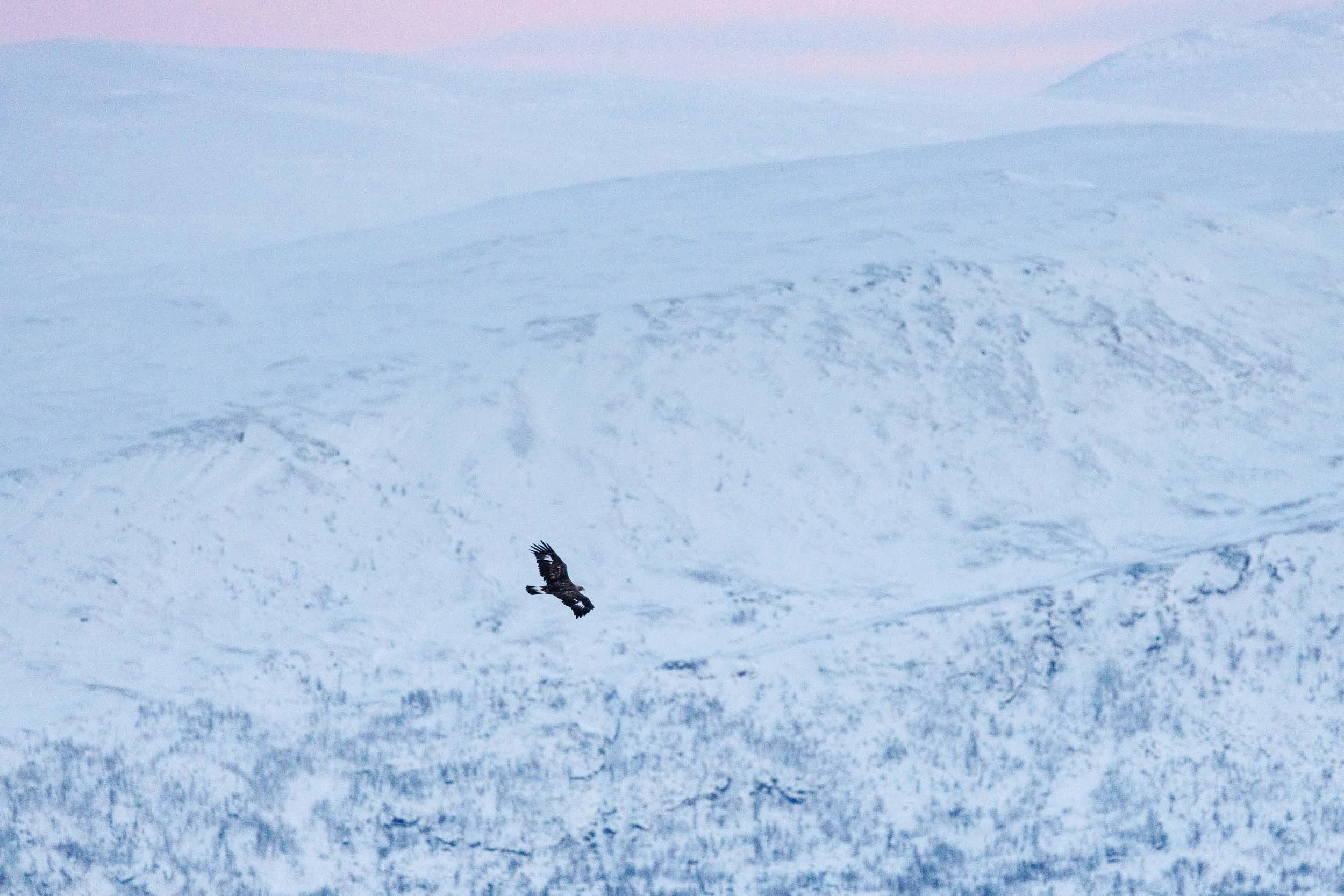
A golden eagle in flight. In the background are the mountains surrounding Abisko and the pink sky typical of December
Three male reindeer in the mountains. The photo was taken on December 11, 2025, at 12:00 p.m.
A panoramic image taken at “Meditation Point” on a typical December day, when there is little light and the landscape looks almost “black and white”
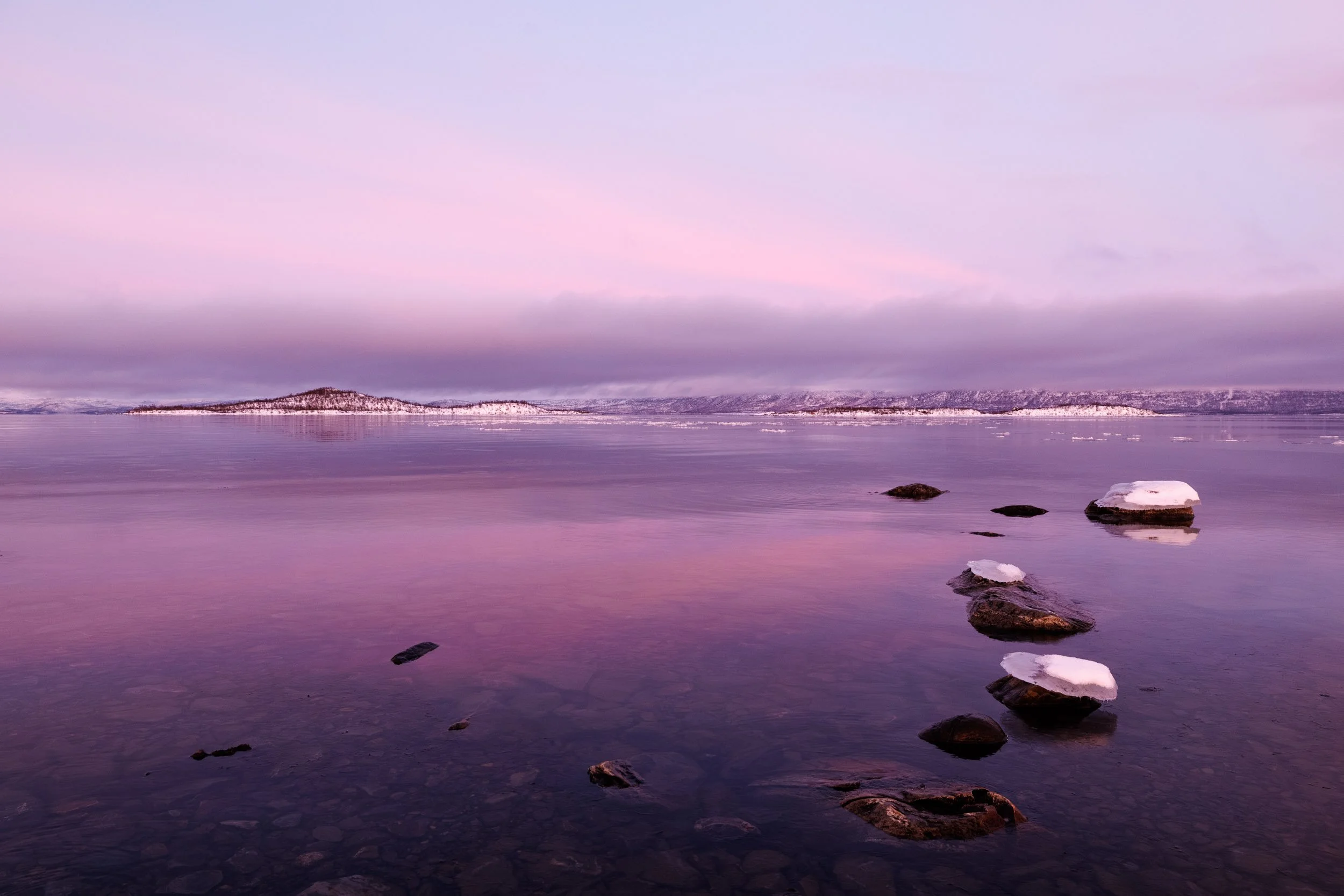
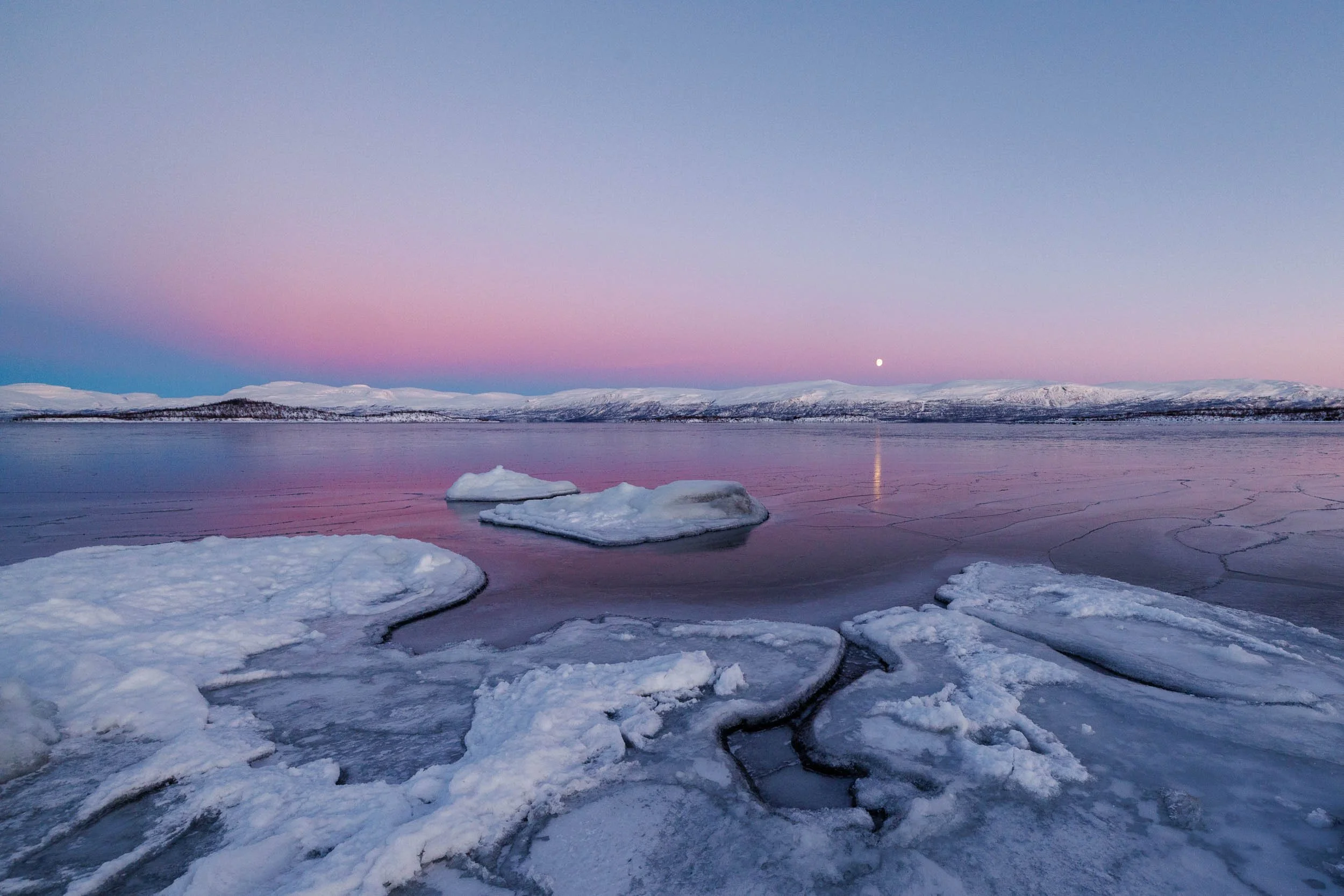
The darkest days of the year are also potentially the most colorful. This photo was taken on December 22, 2025, at 12:05 p.m. The pink sky characteristic of the polar night/twilight is reflected in the waters of Lake Tornetrask.
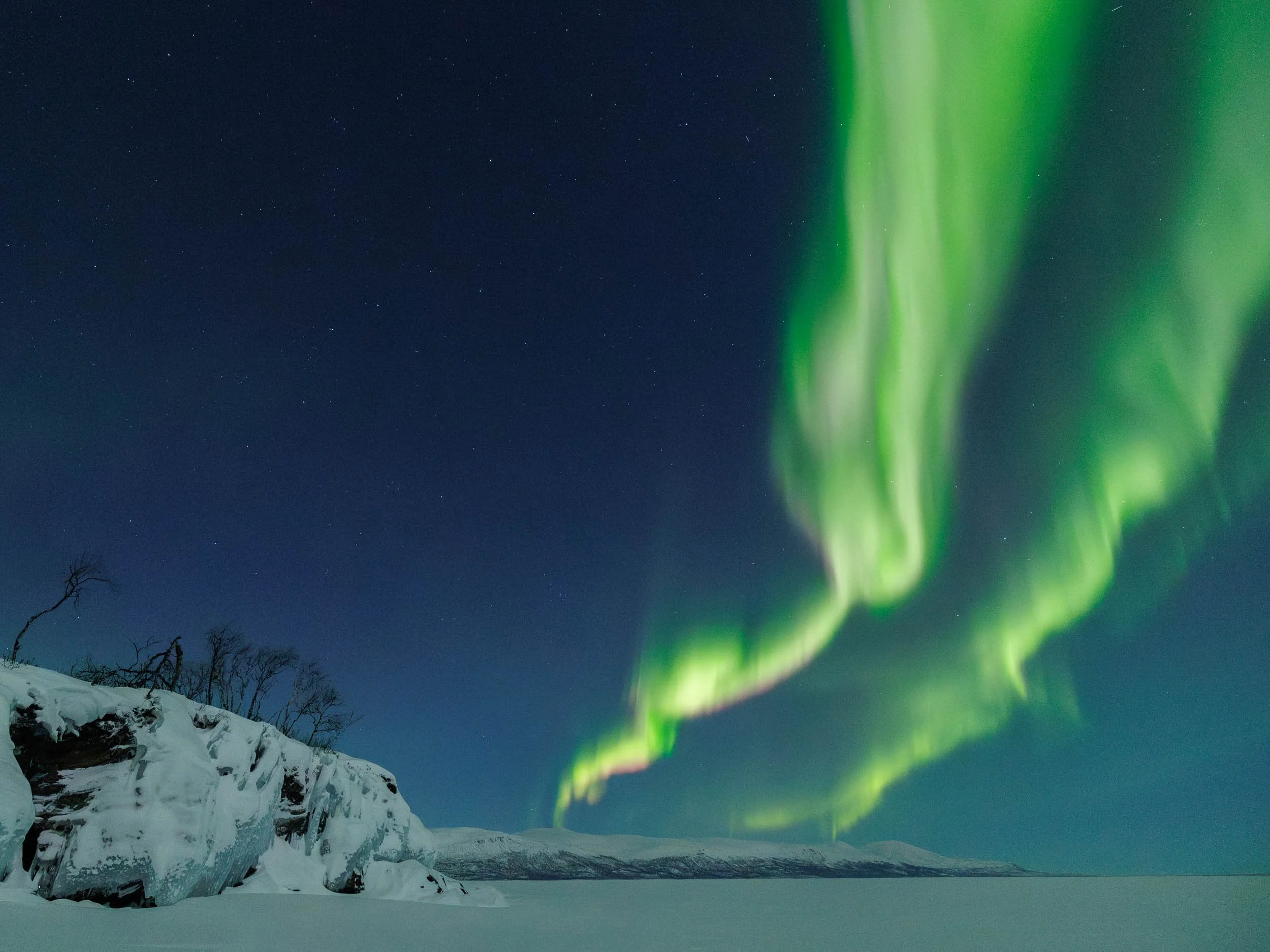
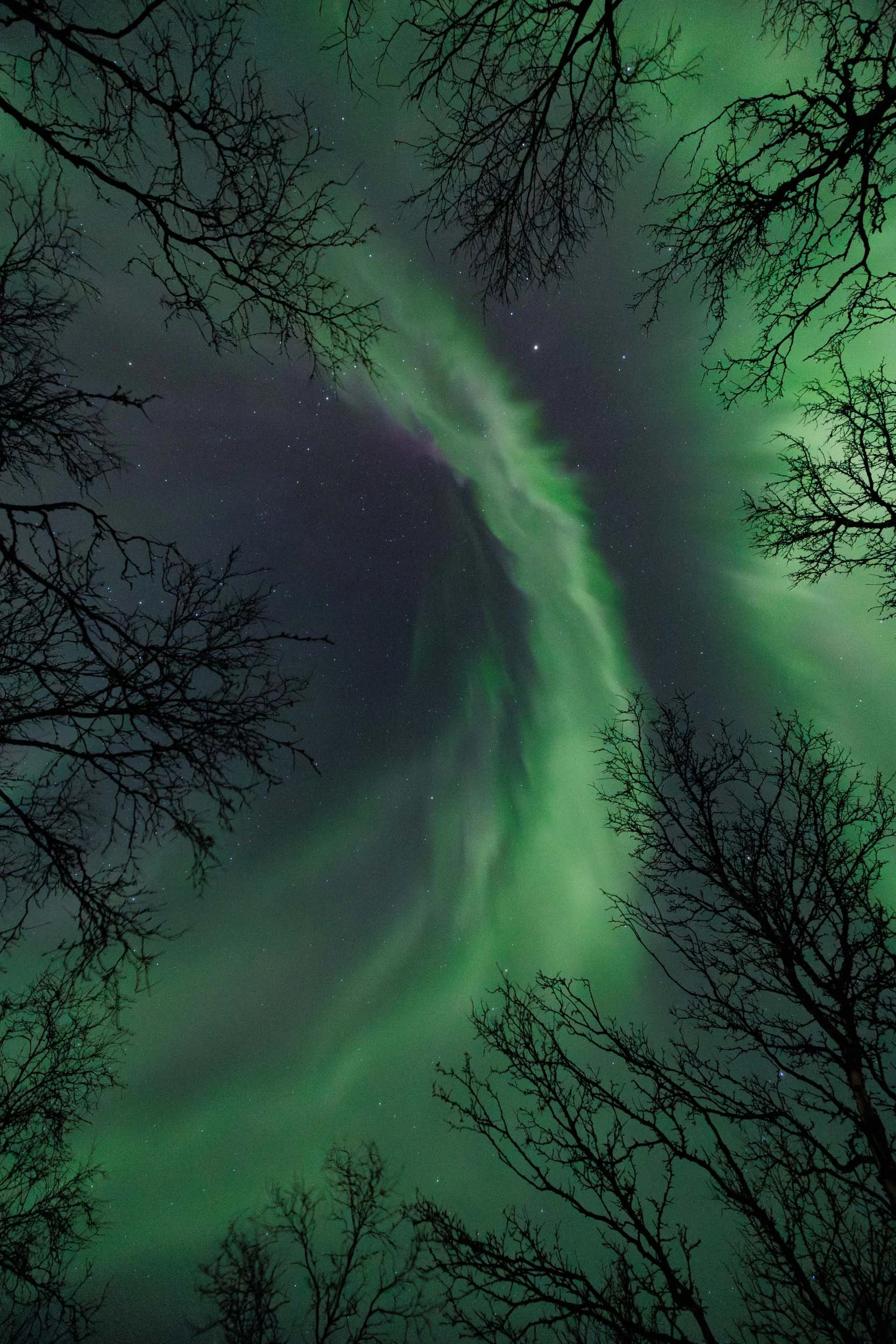
The Northern Lights dance above the birch trees in Abisko National Park.
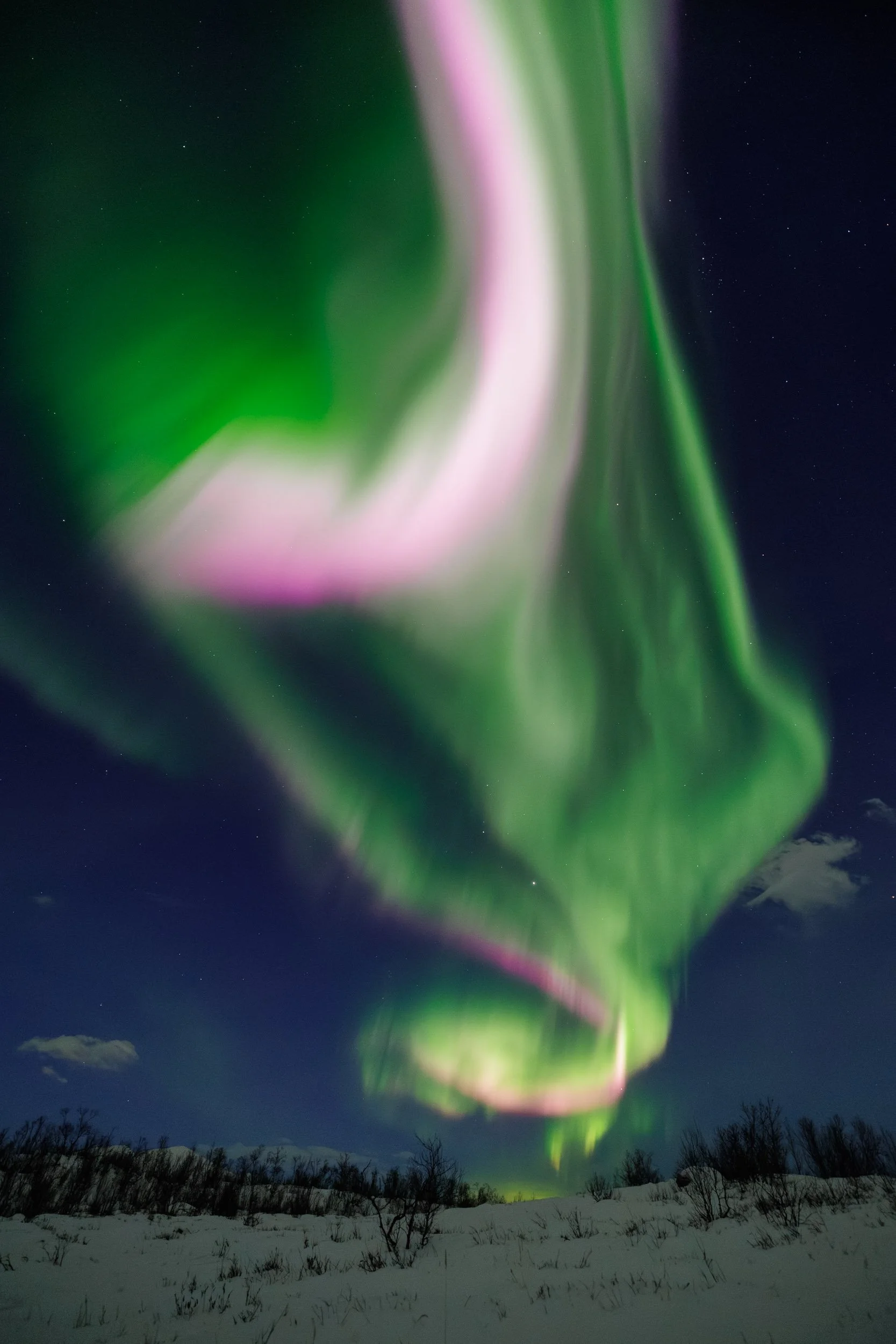
One of the brightest and most spectacular auroras of the season. The pink aurora occurs when the solar wind interacts with nitrogen in the lowest part of the atmosphere that the solar wind can reach. In general, pink auroras are among the most spectacular to the human eye, which can see them very clearly, but they are very challenging to photograph because they are extremely bright and fast-moving.
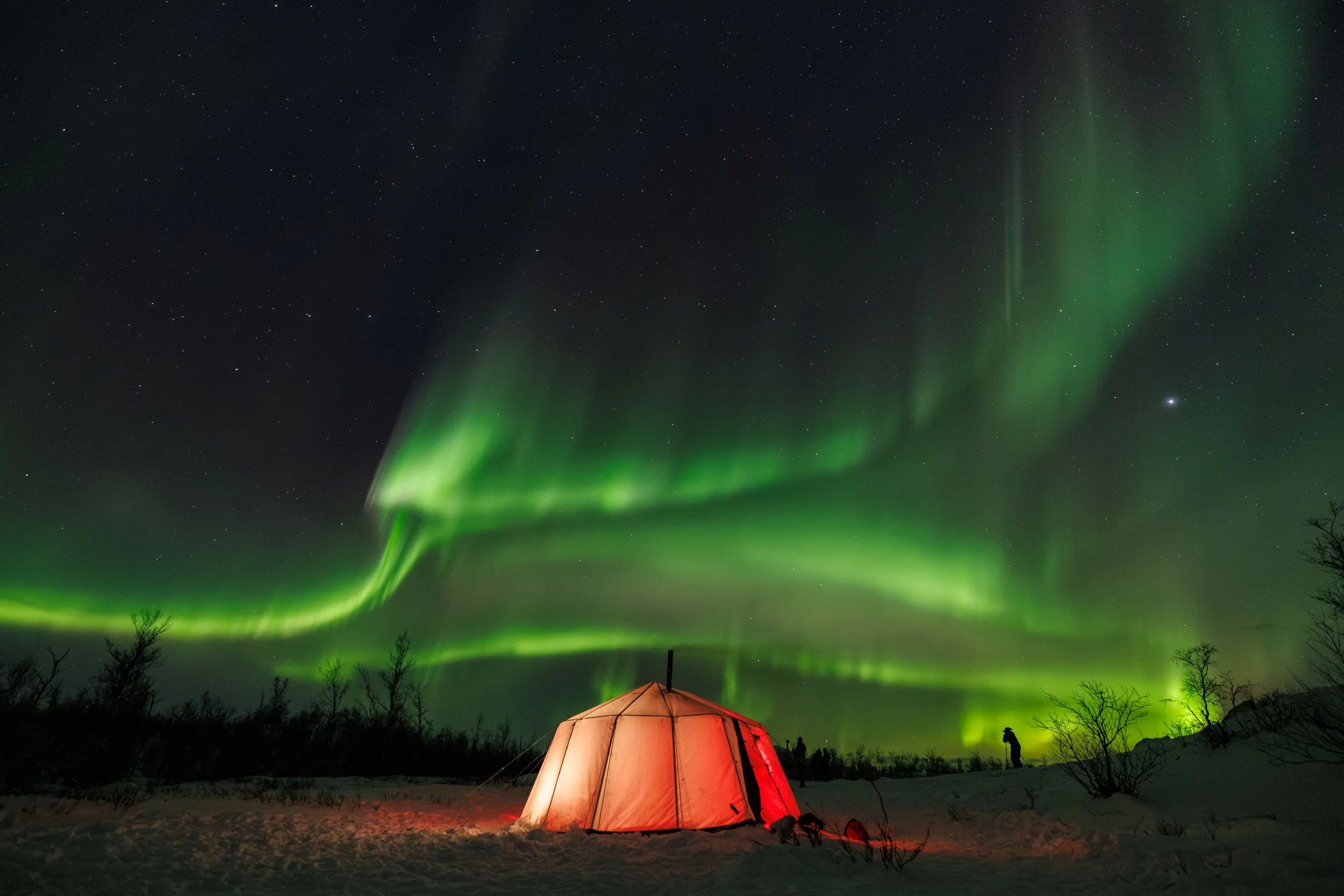
The Northern Lights dance above a yurt in the tundra just outside the village of Abisko. One of the many magical evenings I’ve been lucky enough to spend under the Northern Lights while guiding with Lights Over Lapland
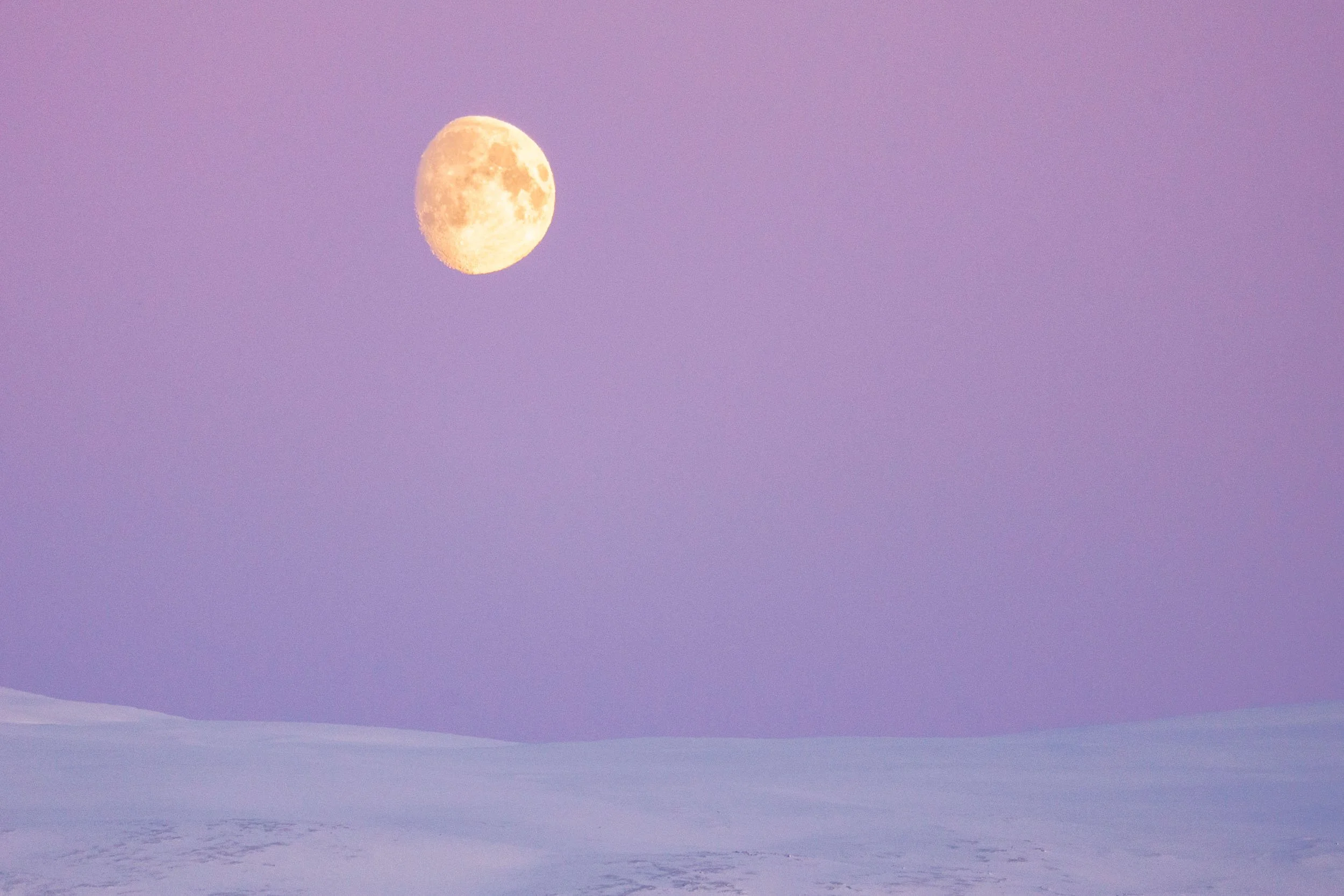
December 31, 2025. The last day of 2025 was simply spectacular. Temperatures ranged from -20 to -30 degrees Celsius, the colors of the polar night were at their most vivid, and there was a full moon. Lake Tornetrask is beginning to freeze over. Within a week, the lake—which is Sweden’s largest mountain lake—will be completely frozen. Photos taken around 11 a.m.
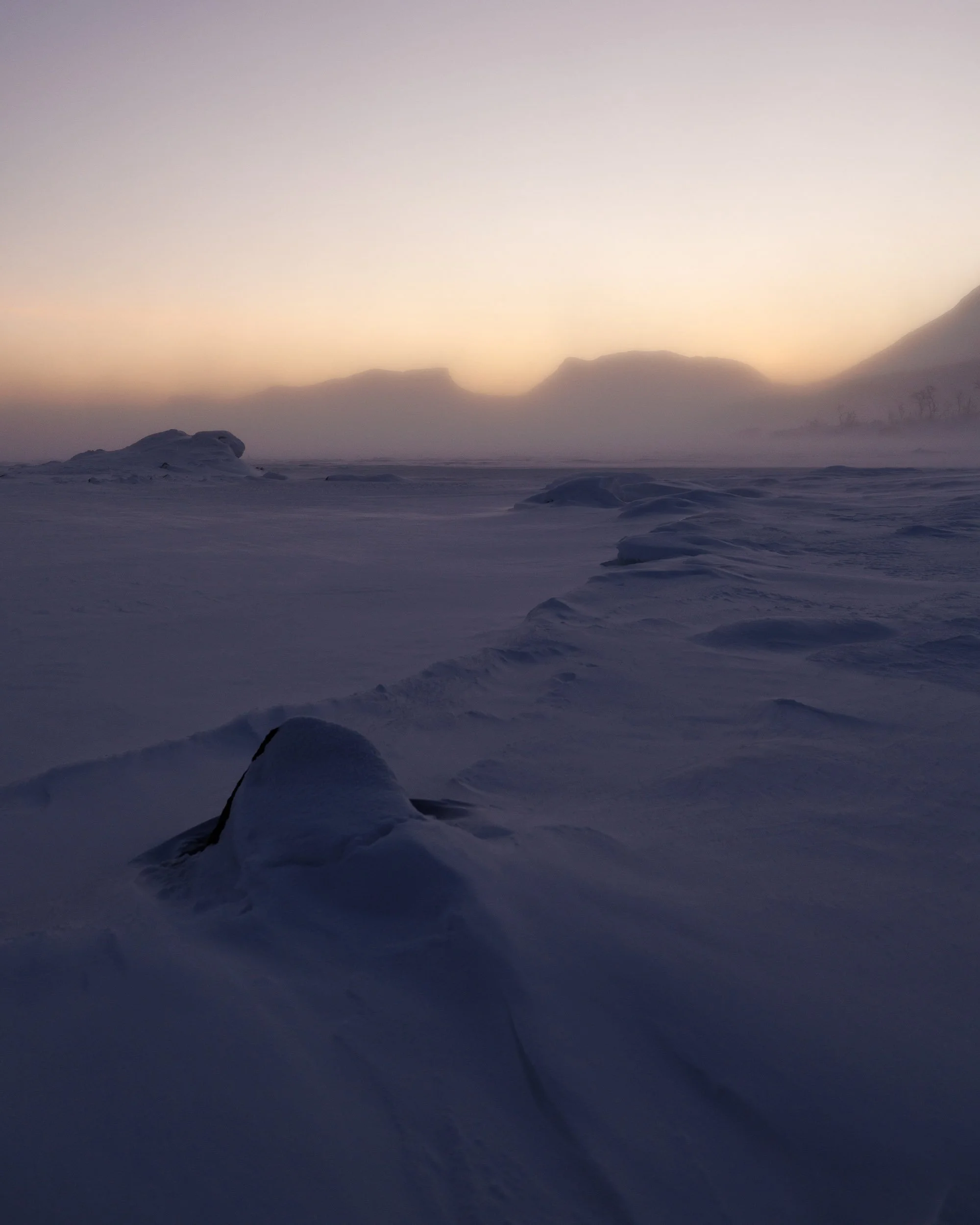
It is a cold morning; a light mist rises from Lake Tornetrask, which has recently frozen over, and a thin layer of snow covers the newly formed ice. The polar night ended just a few days ago, and the sun is rising again at 68° N. In Abisko, due to the surrounding mountains, it won’t be visible until early February, but the light is beginning to grow.
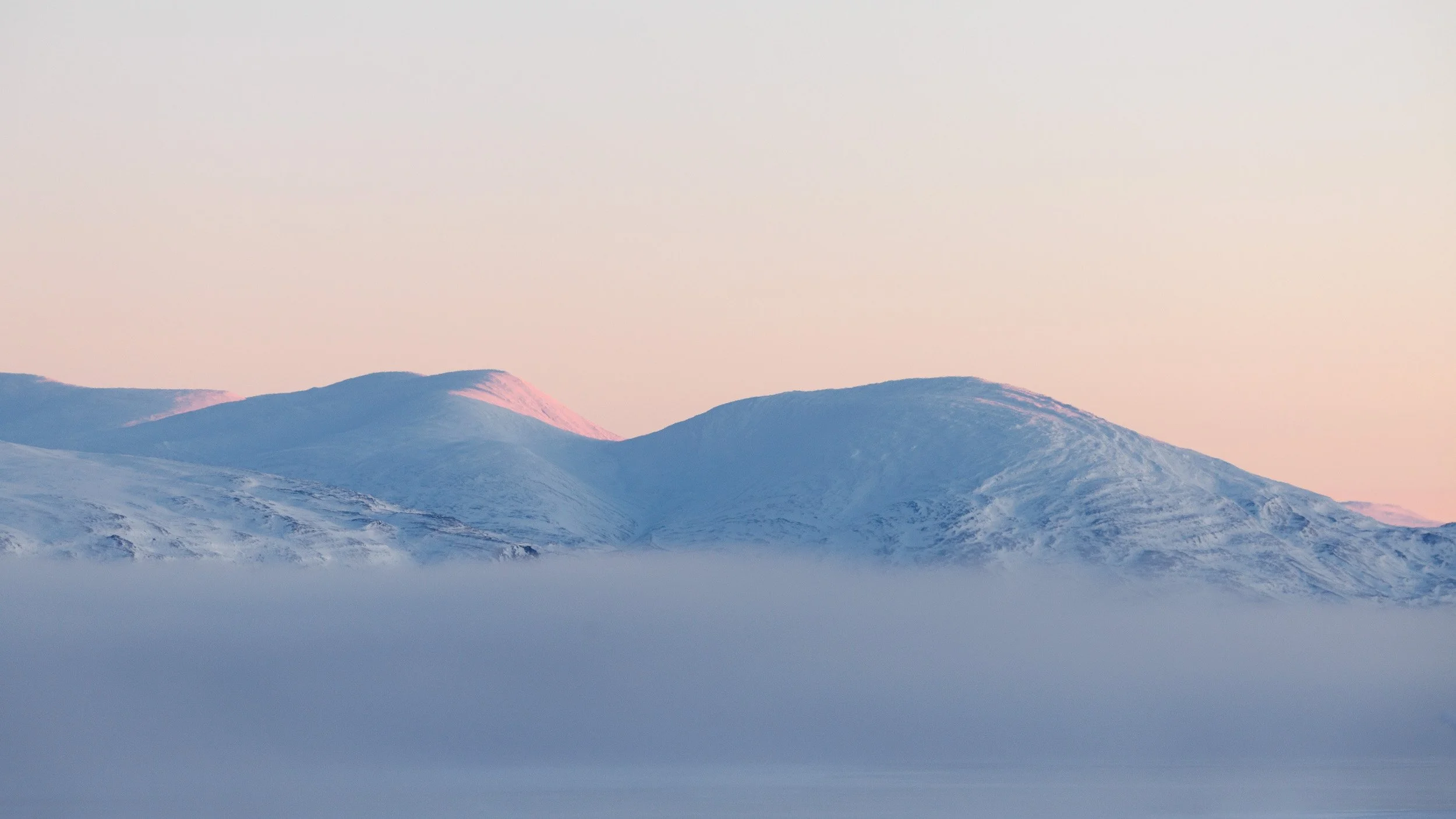
January 12, 2026. Although the sun won’t be visible in the Abisko Valley for another two weeks due to the mountain range blocking it, you can see the light illuminating the mountains on the other side of the lake. Little by little, the sun’s rays will descend from the mountain peaks, stretching out toward the lake and finally reaching the Abisko Valley.
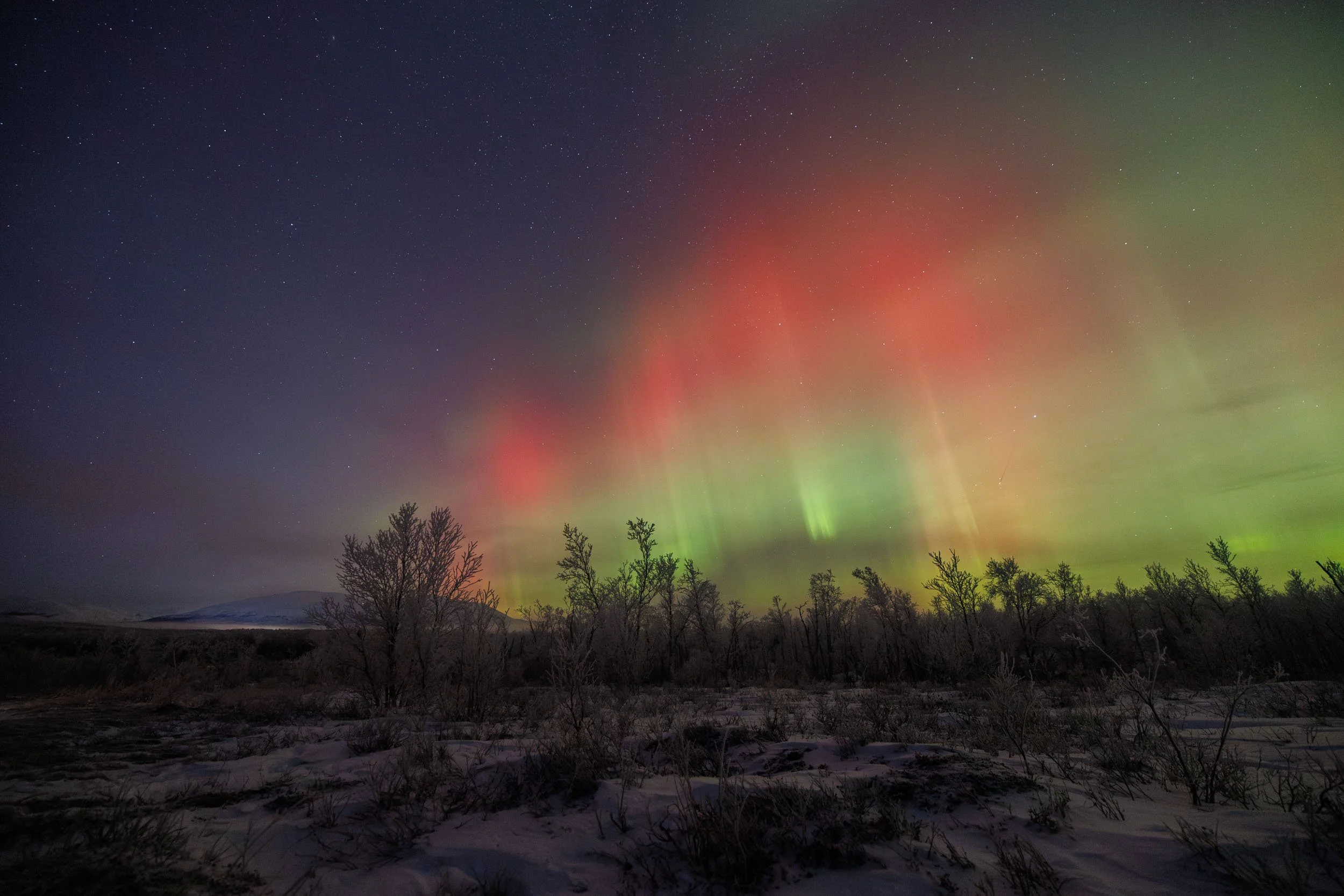
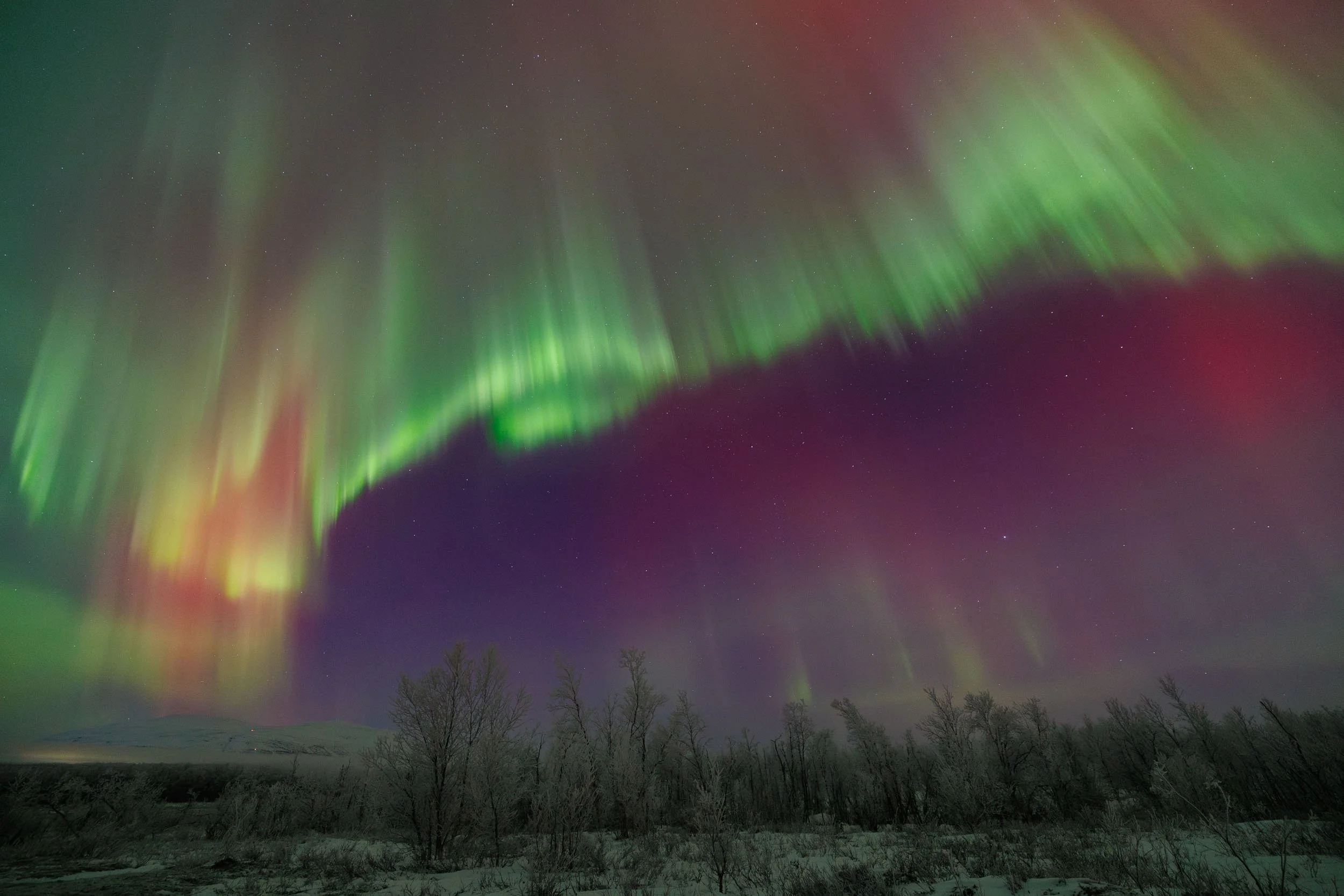
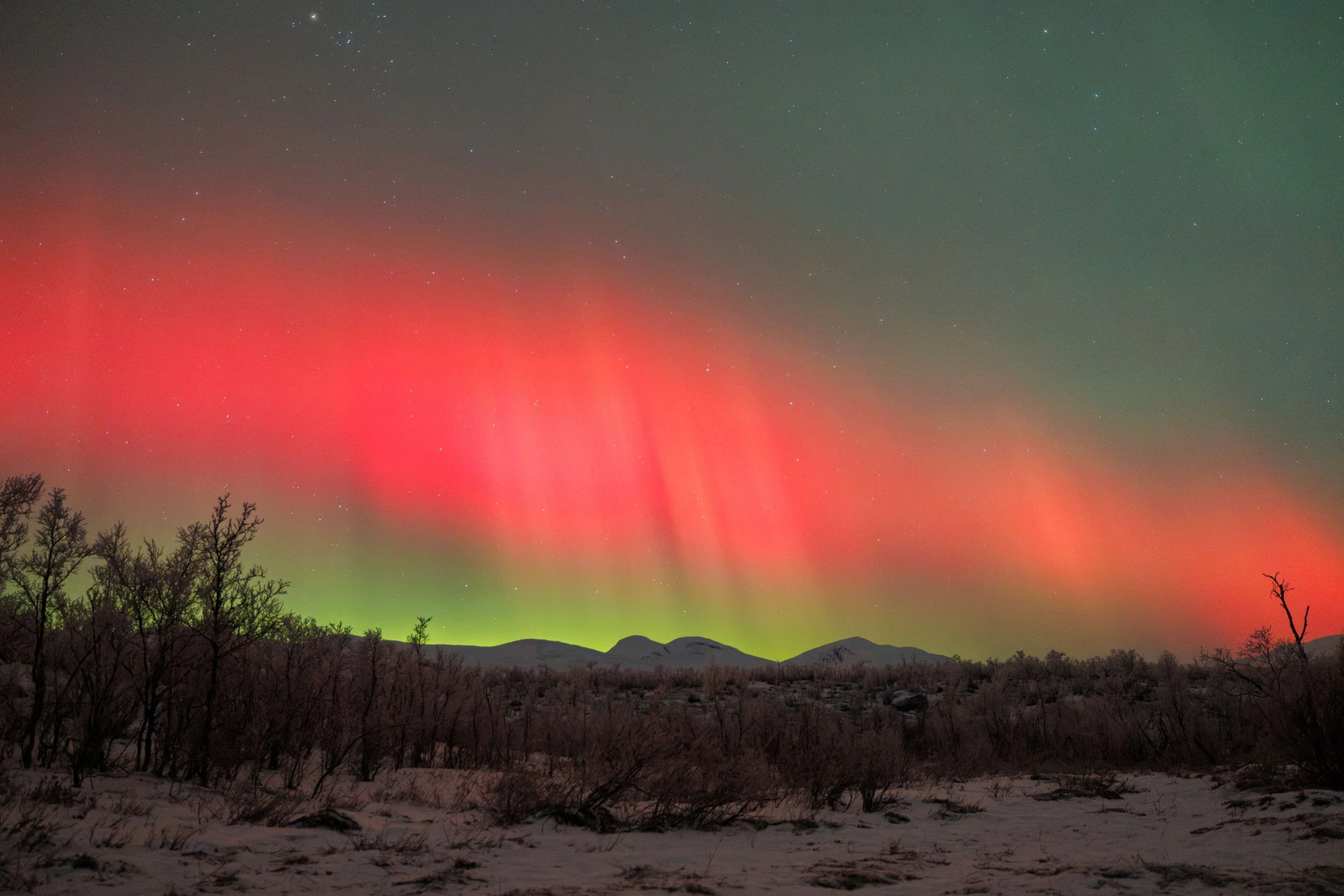
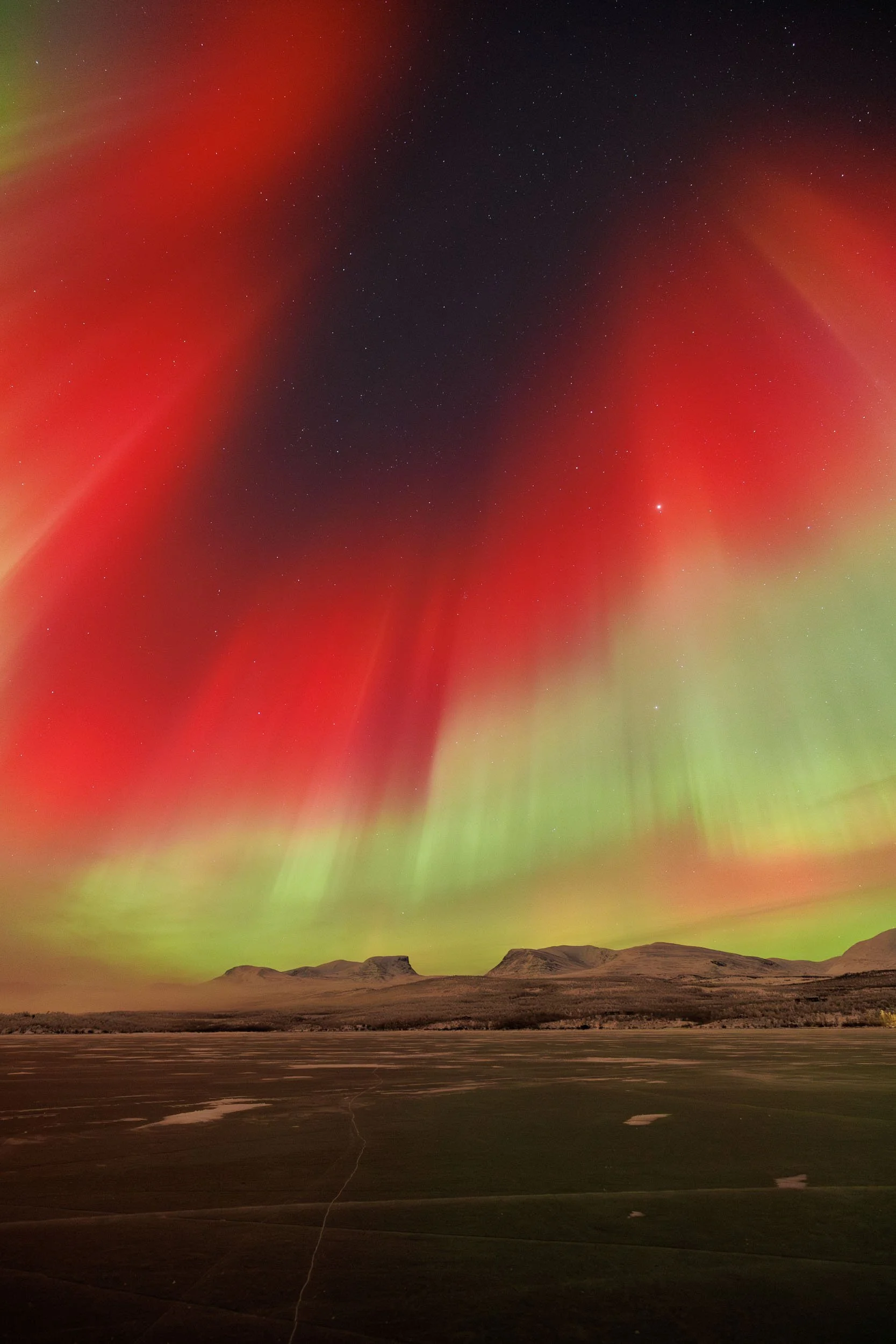
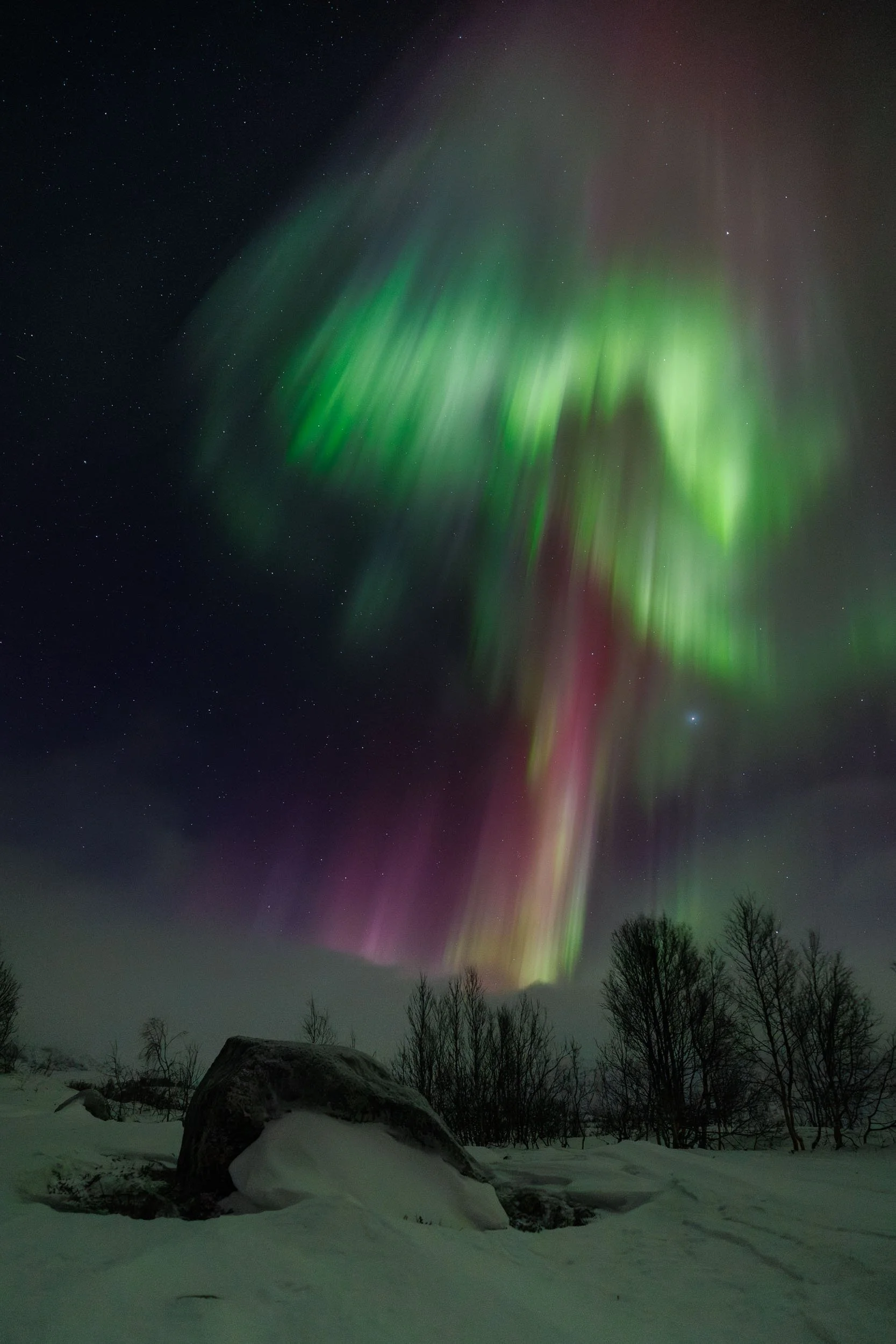
Abisko. January 19, 2026. A powerful solar storm affected our magnetic field. The images above are a series of photos from that evening. Around midnight, the storm created one of the most incredible and vivid red auroras I have ever seen. When I realized the aurora was moving toward the southern part of the sky and imagined what might happen, I left the spot in the tundra where I had been photographing and managed to run to Lake Tornetrask just in time to capture a photo of Lapporten with this intense red sky over the valley
A rather spectacular and colorful display of the aurora borealis somewhere in the Norwegian mountain
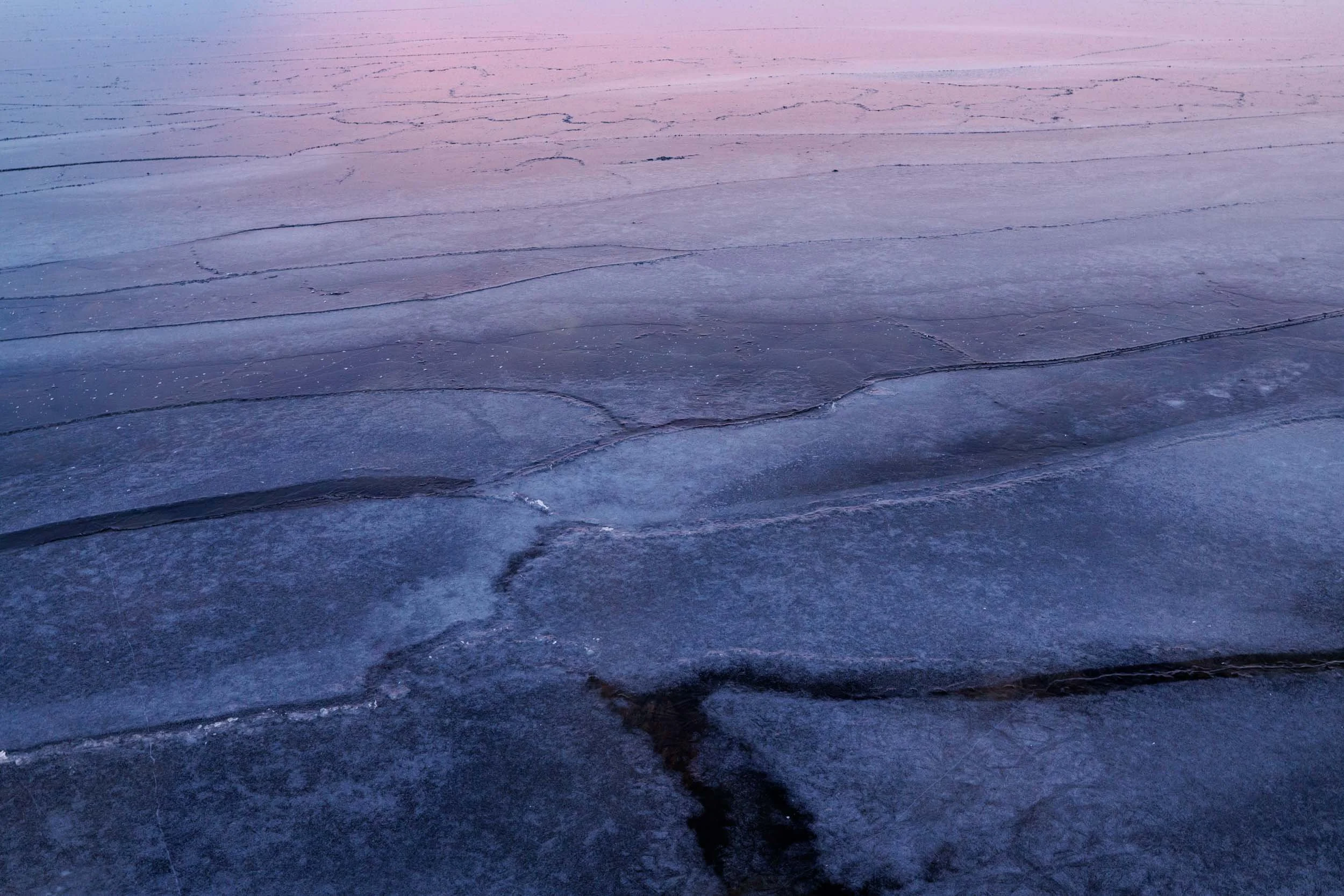
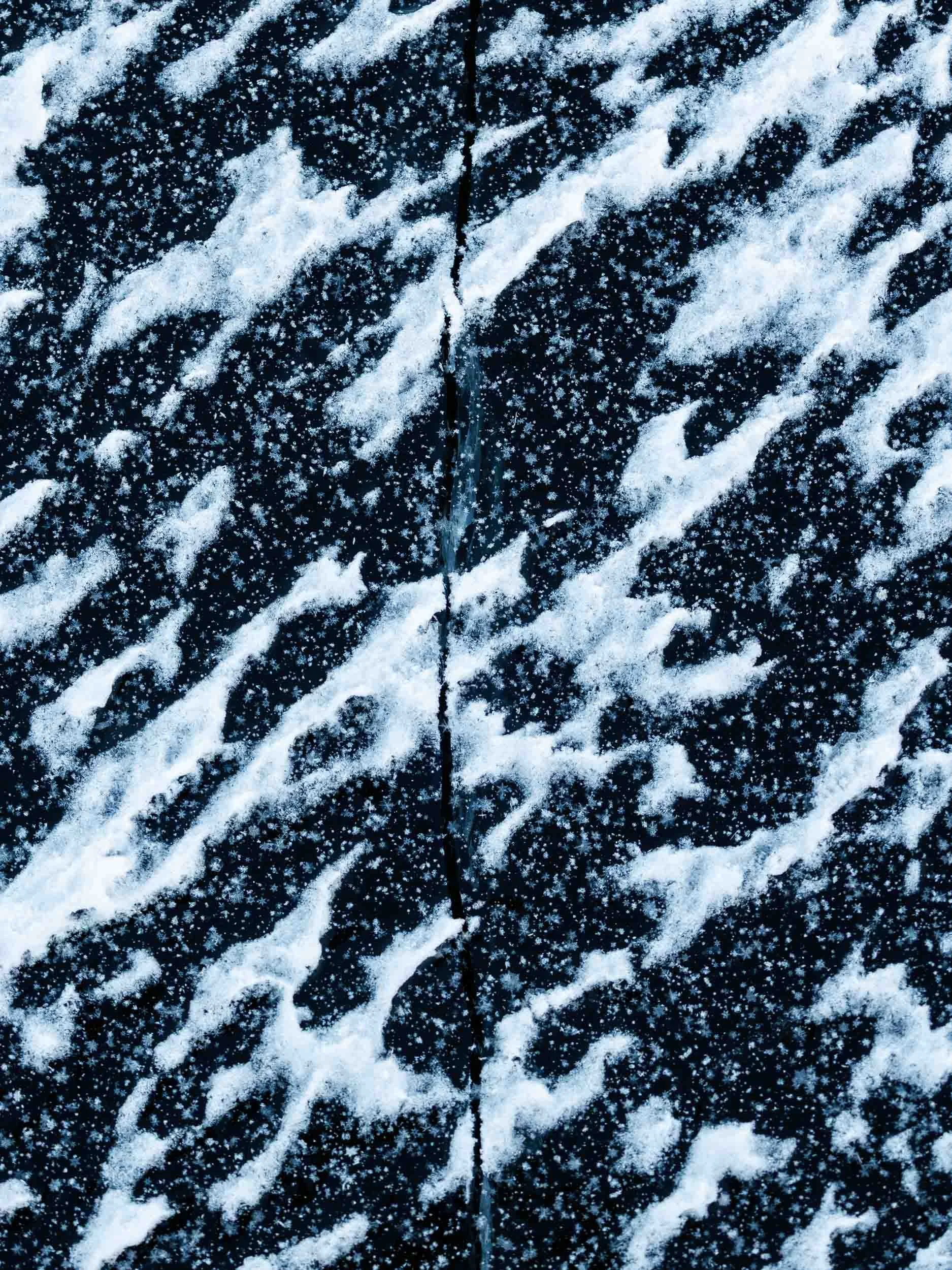
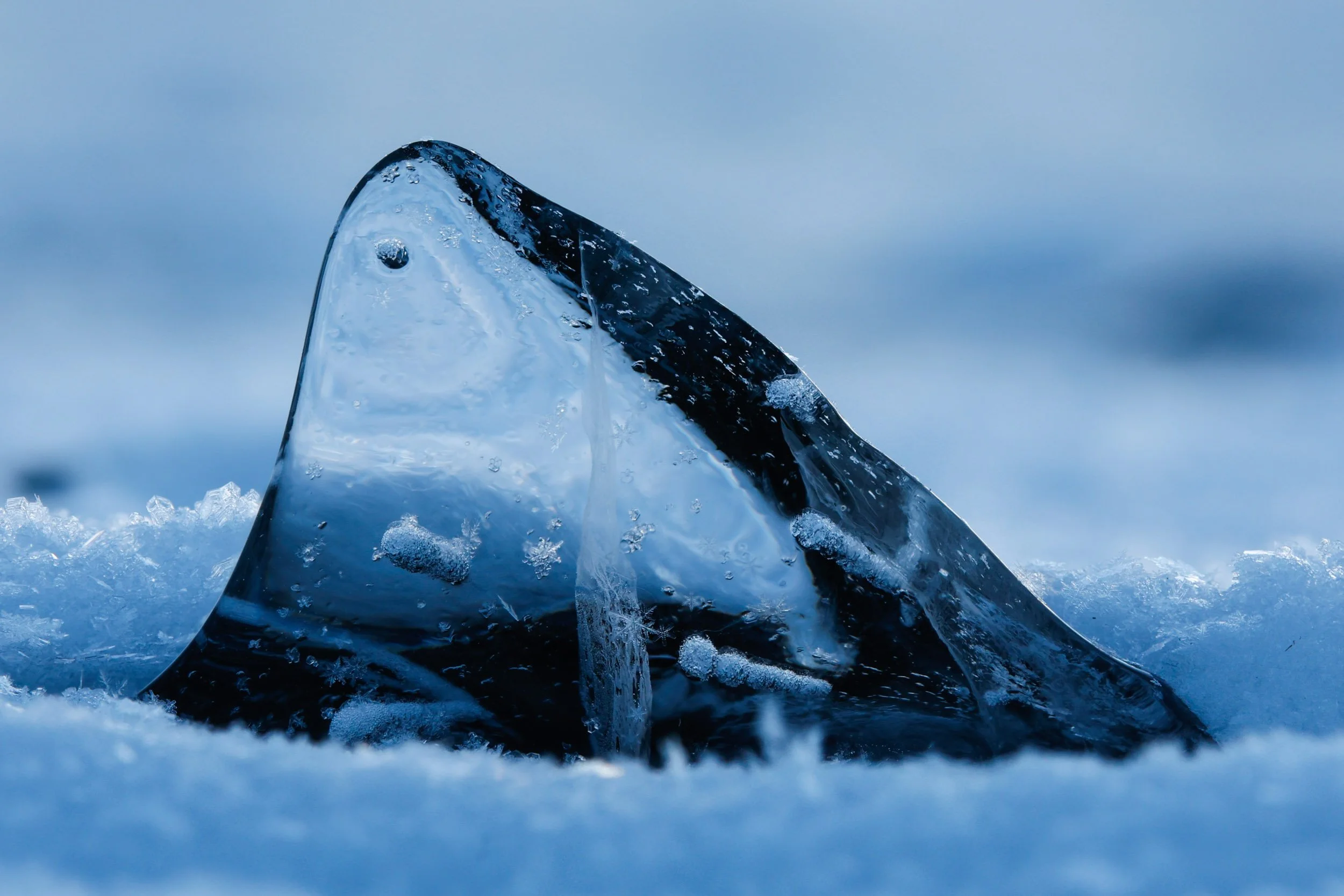
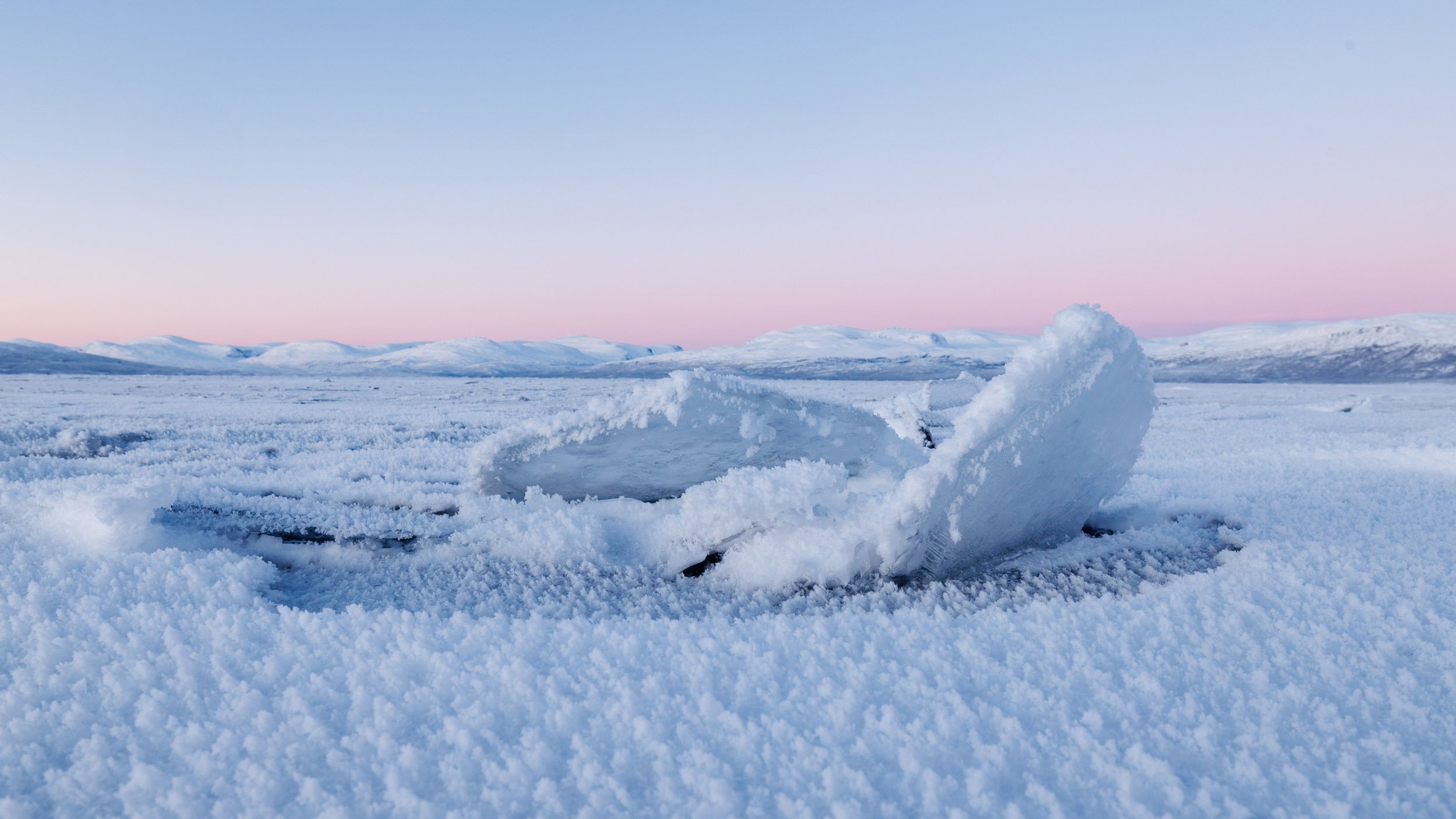
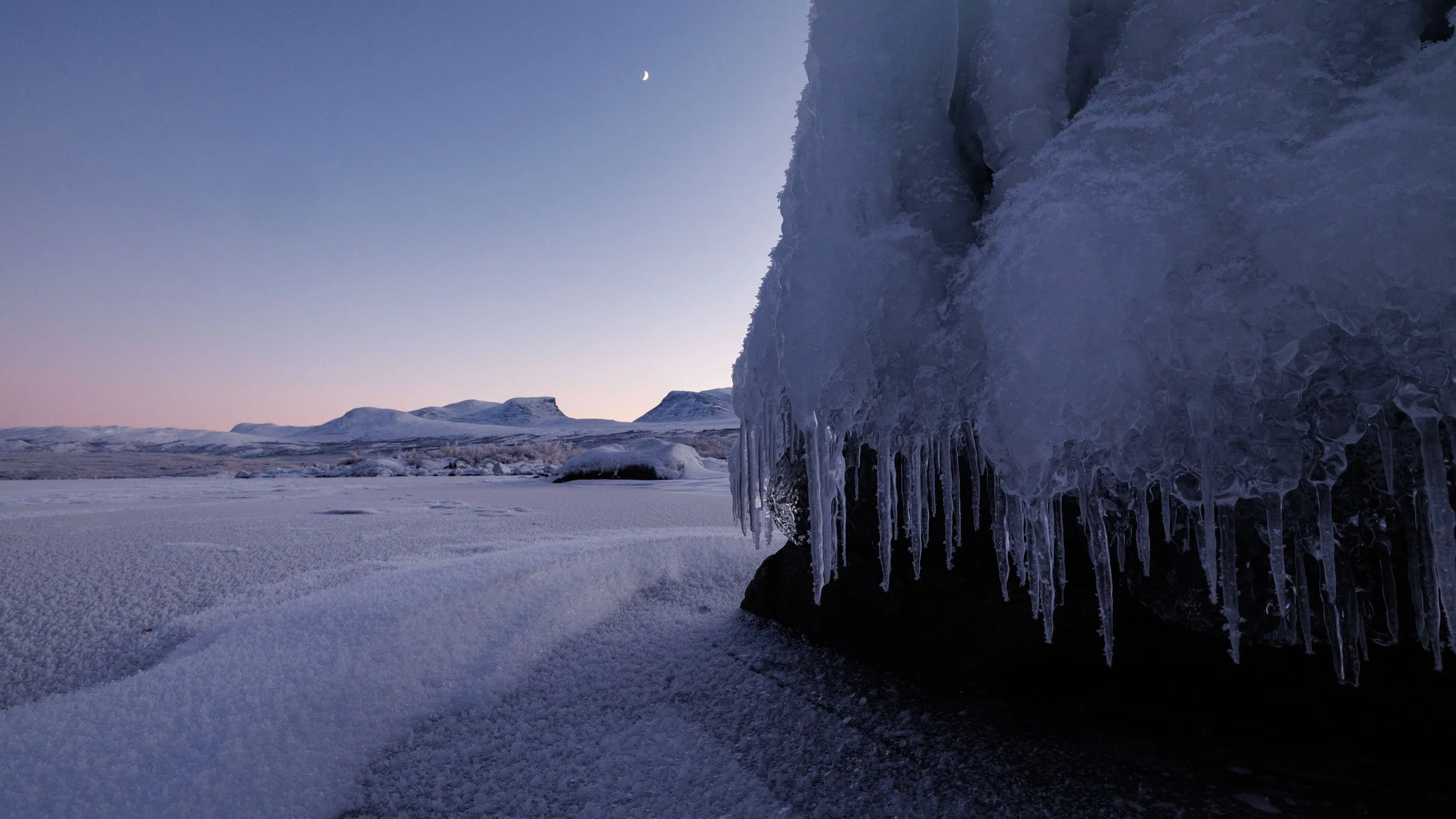
Lake Tornetrask offers endless photographic opportunities in winter, especially when you pay attention to the small details. Sometimes snow blown by the wind, or the sun, humidity, or the pressure exerted by the ice itself can create interesting patterns or ice formations like those in the photos above.
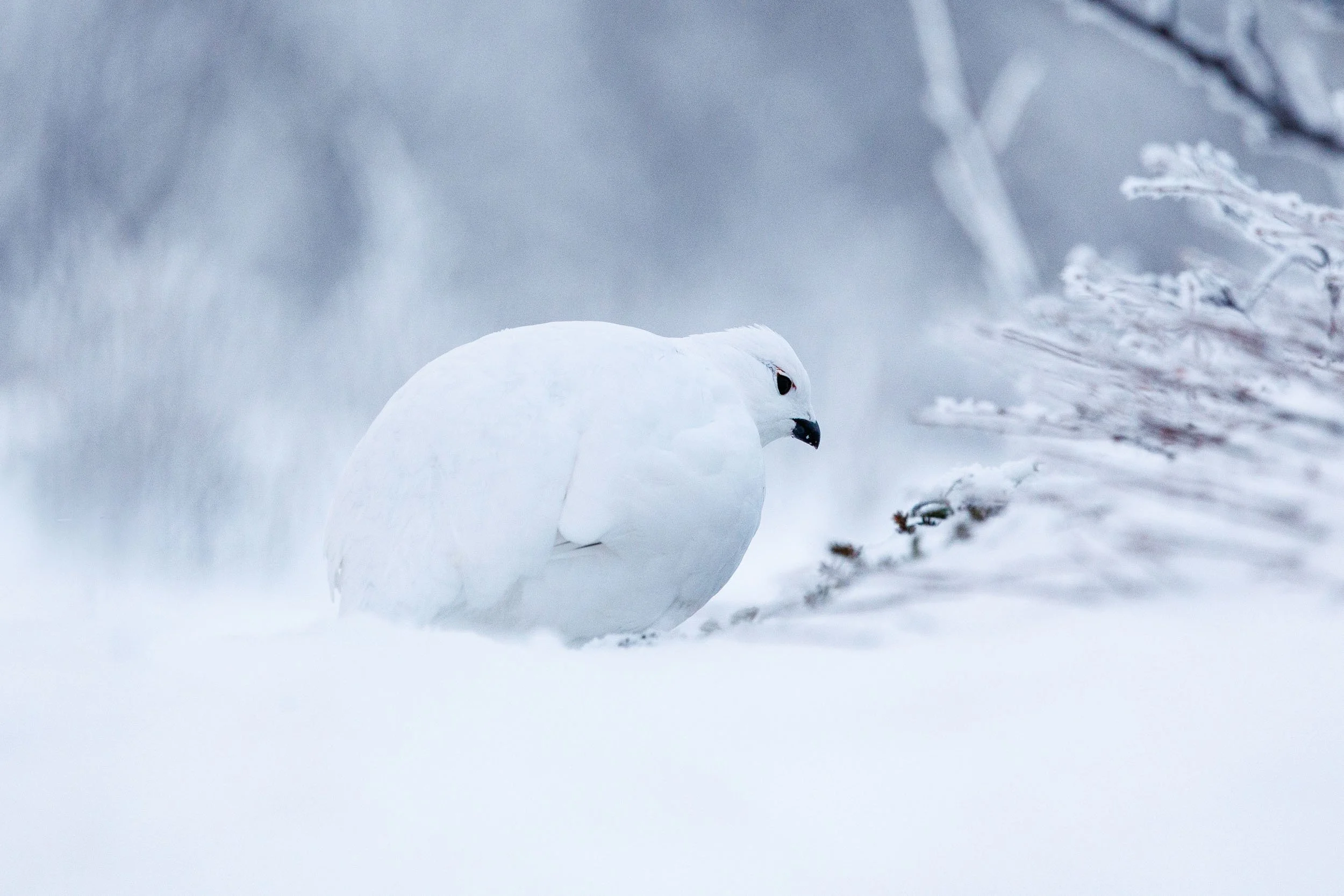
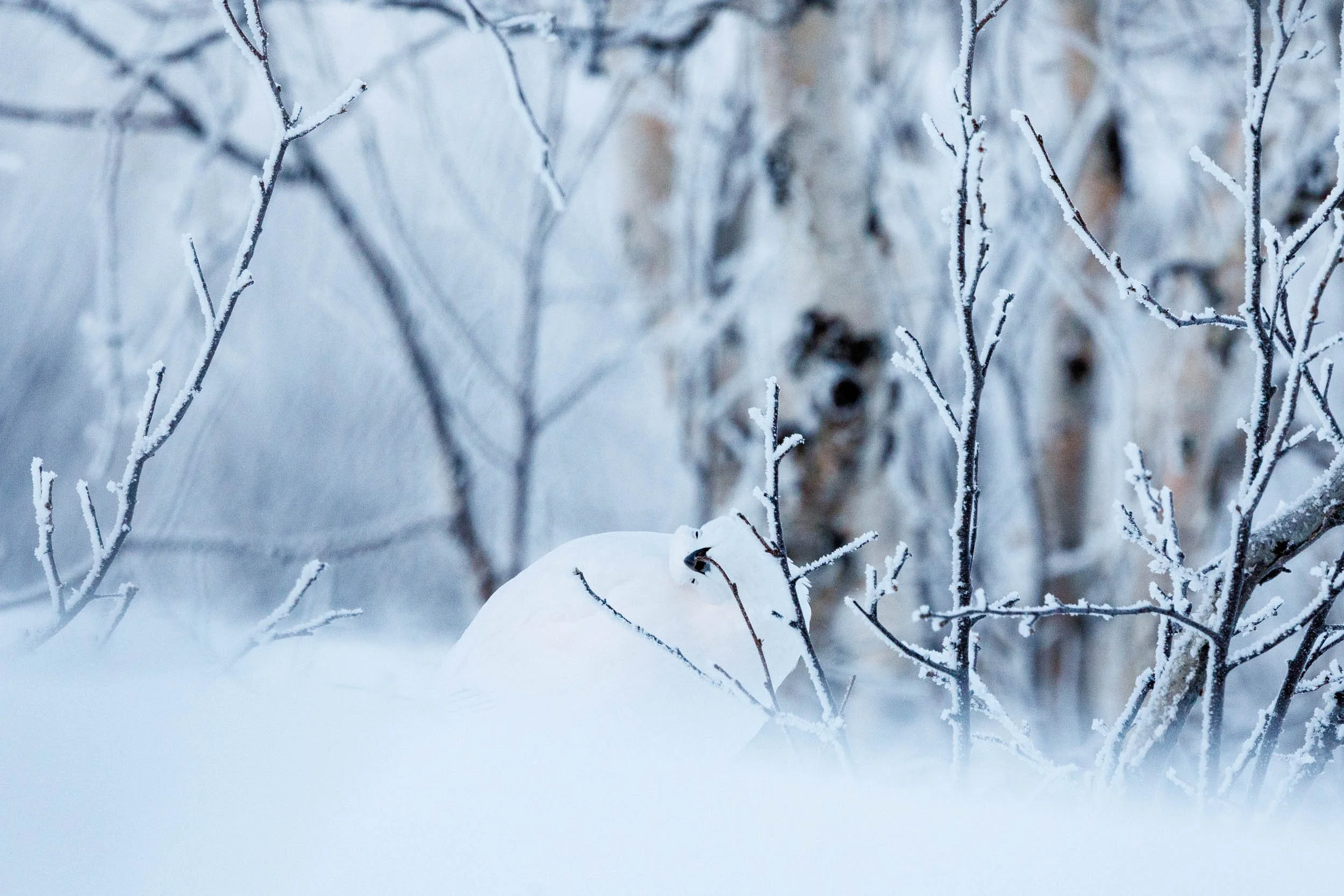
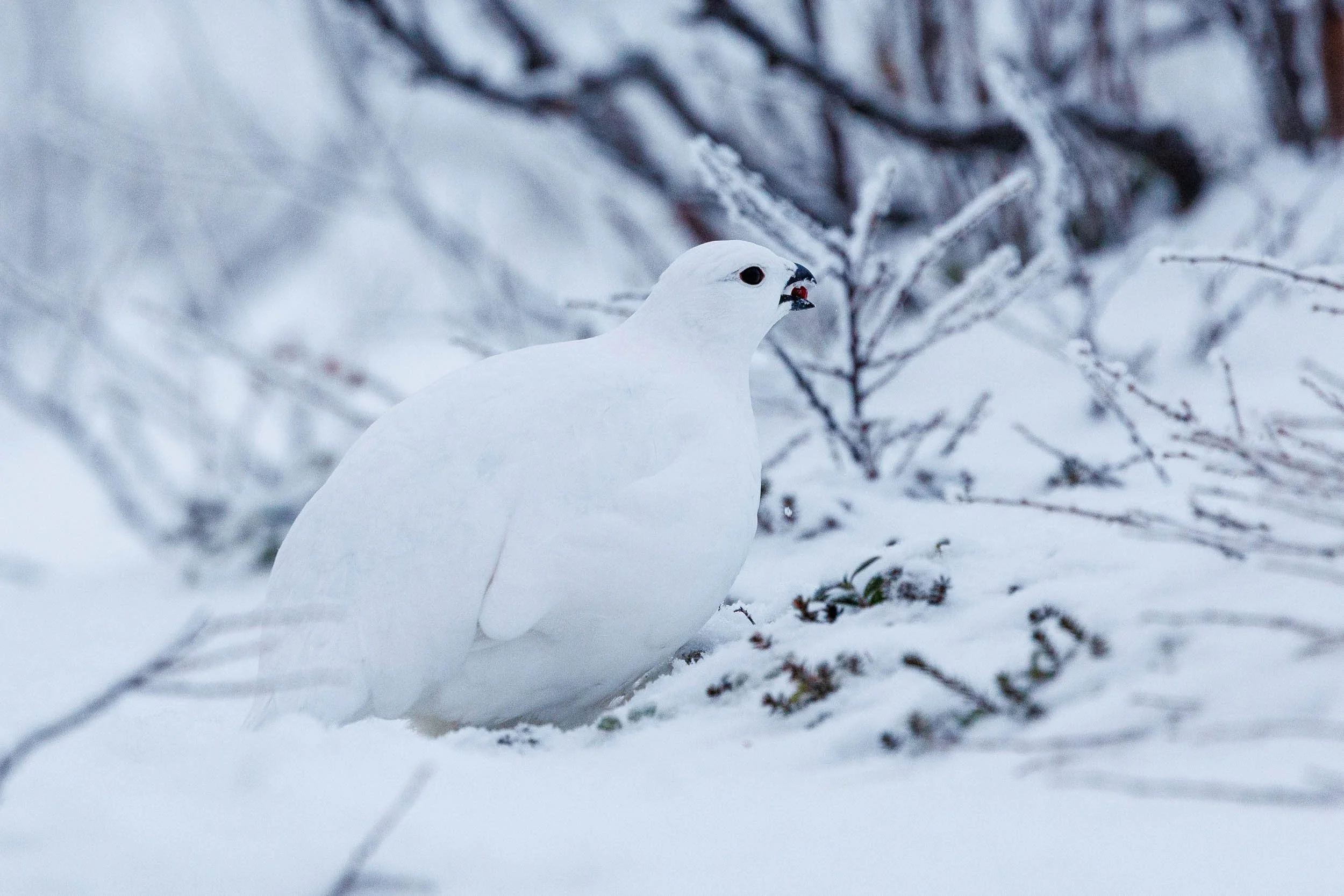
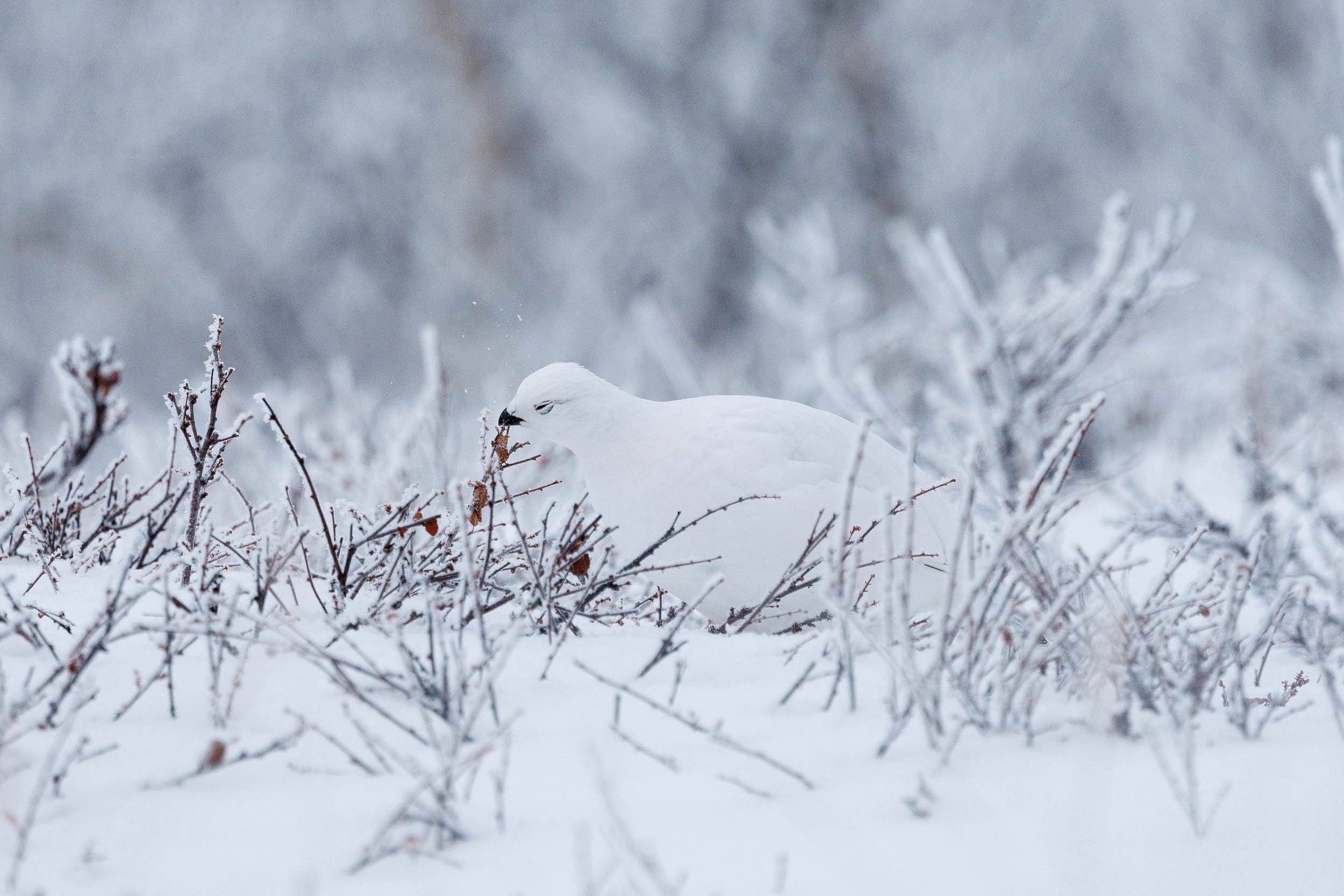
Willow ptarmigans are among the few birds that do not migrate and are resident in the Arctic region of Europe. Their diet is primarily vegetarian, but in summer they may also feed on insects. Obviously, in the depths of winter, life becomes harder, and the ptarmigan feeds mainly on buds from small birch trees or on berries such as lingonberries, which remain frozen under the snow throughout the winter.
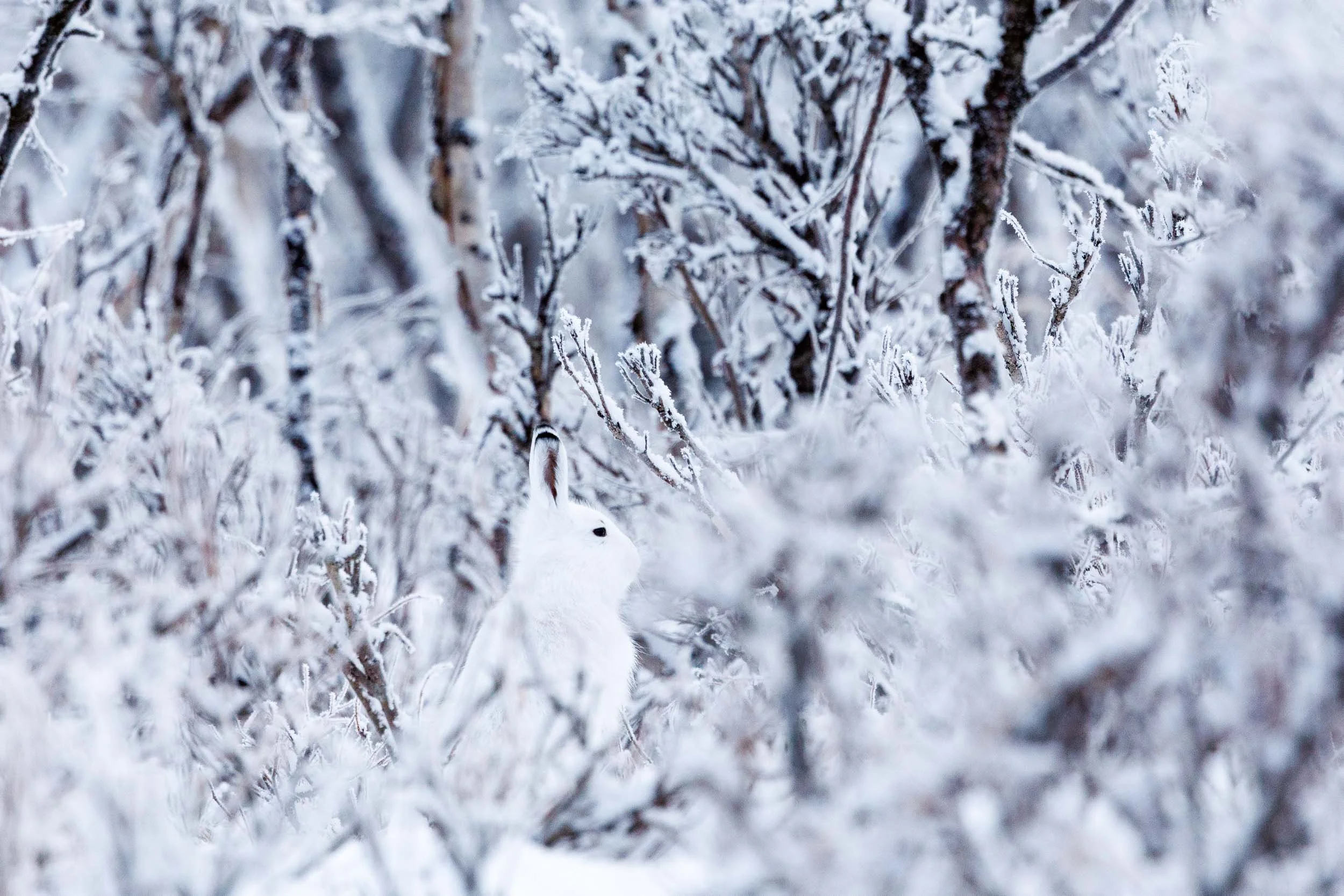
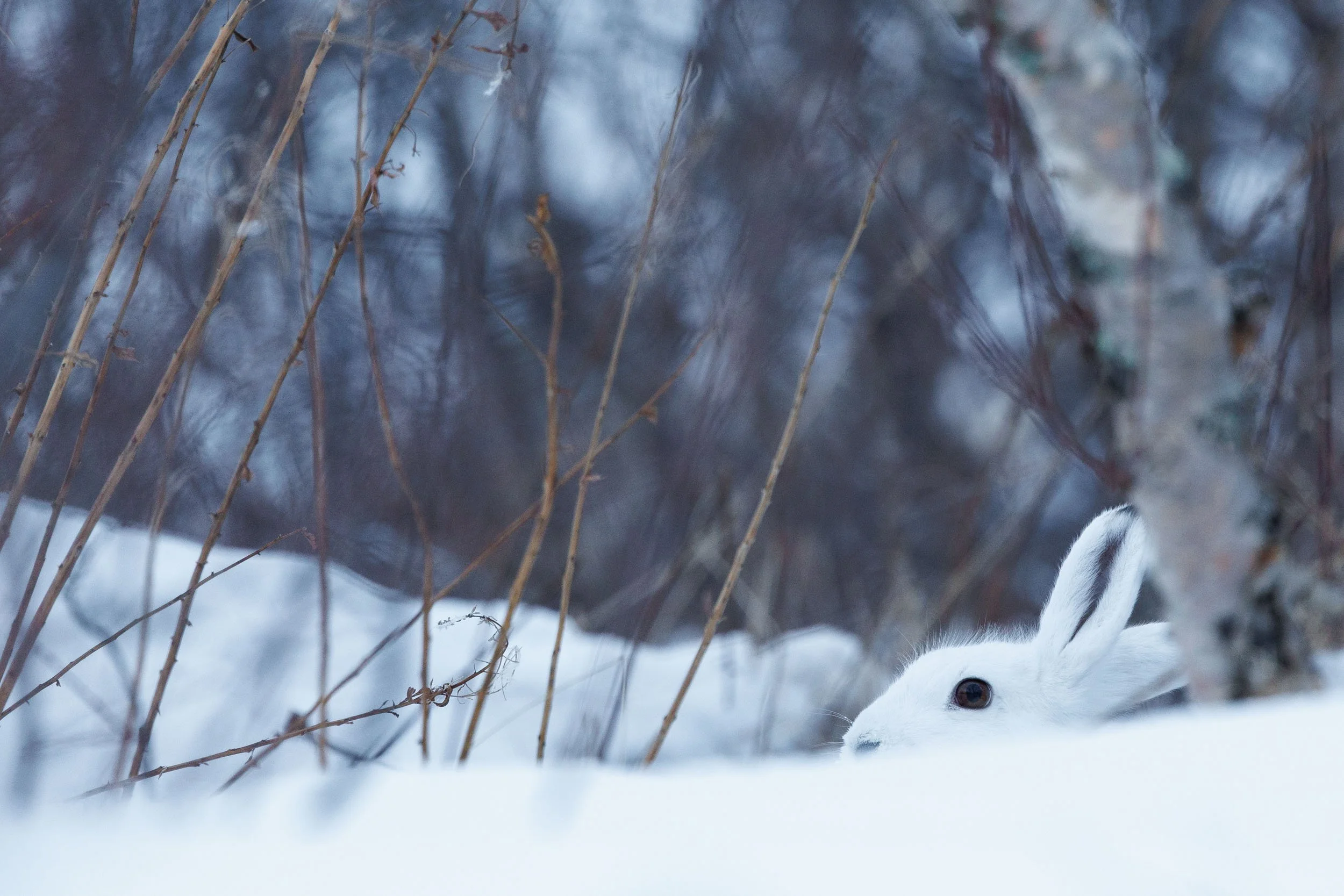
Snow hares. You can see traces of these animals everywhere, every day. But it’s very rare to actually see them. They are masters of camouflage. They hide among rocks, trees, and vegetation, remaining completely still. They watch you from the side, often with just one eye. They blend perfectly into the landscape, and the photos above are a perfect example.
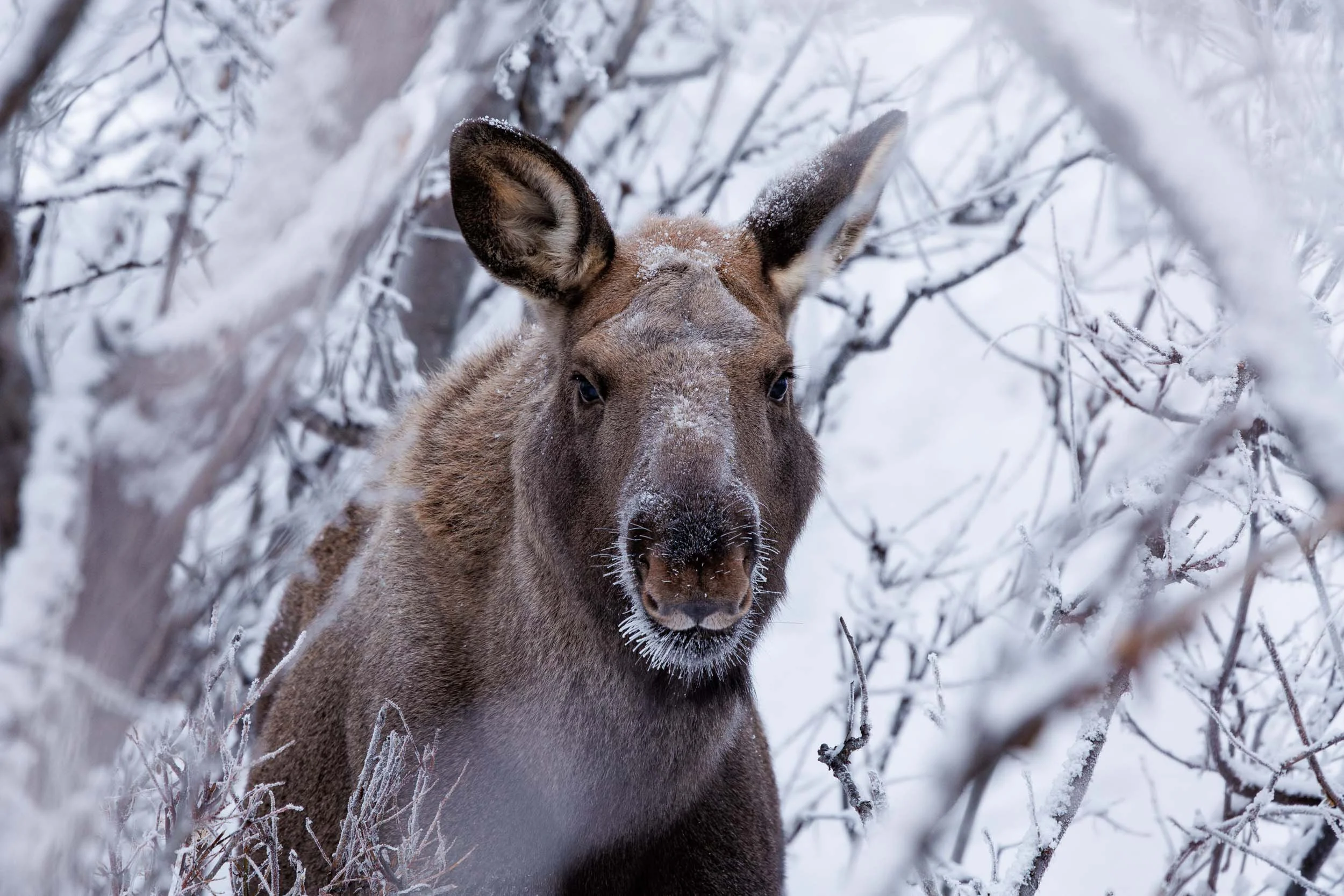
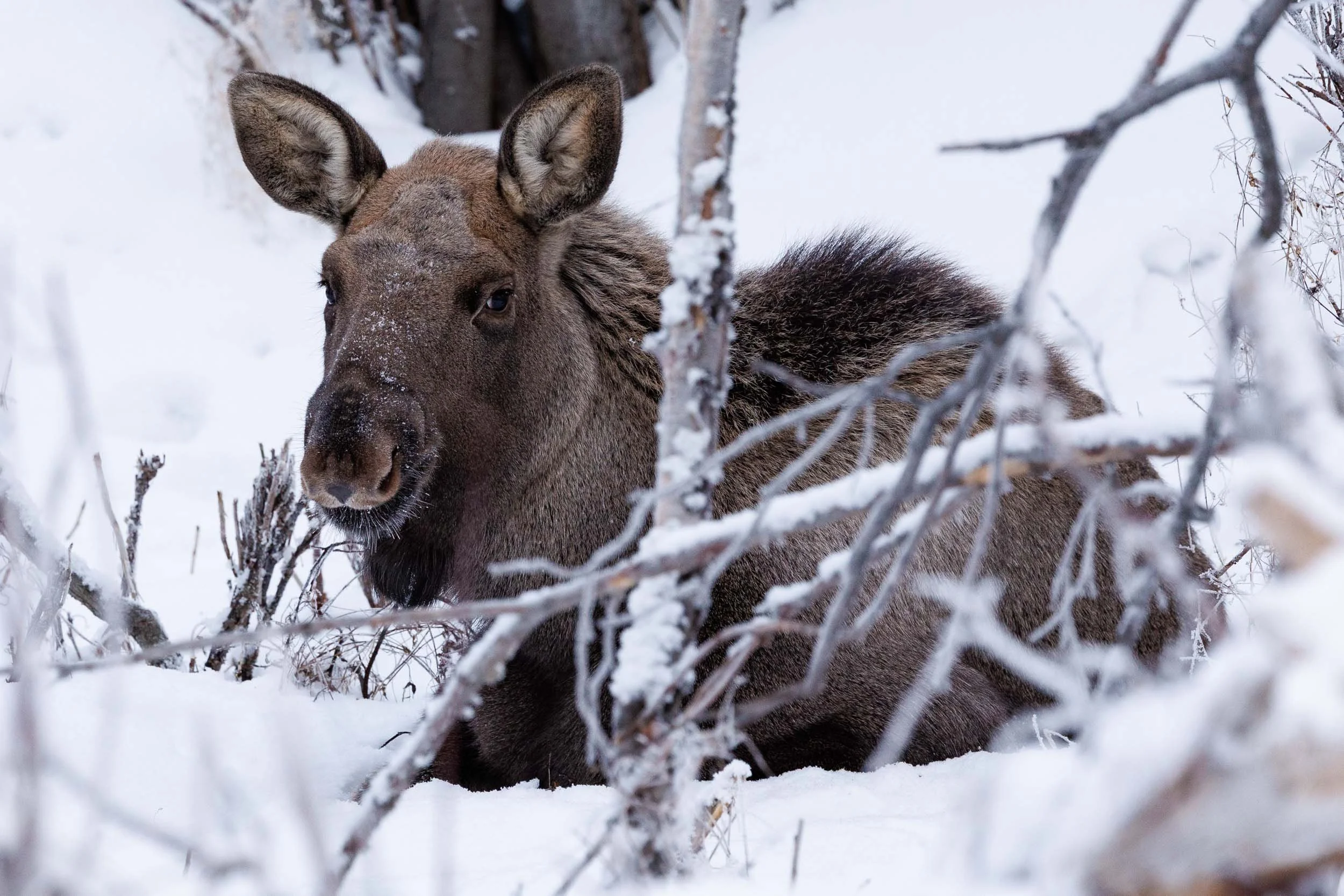
This mother moose and her calf—who will spend his entire first winter with her—spent the winter in the woods right behind my house, practically in my backyard. So one day I decided it was time to take a nice picture of them, so I could have a keepsake of these two friends.
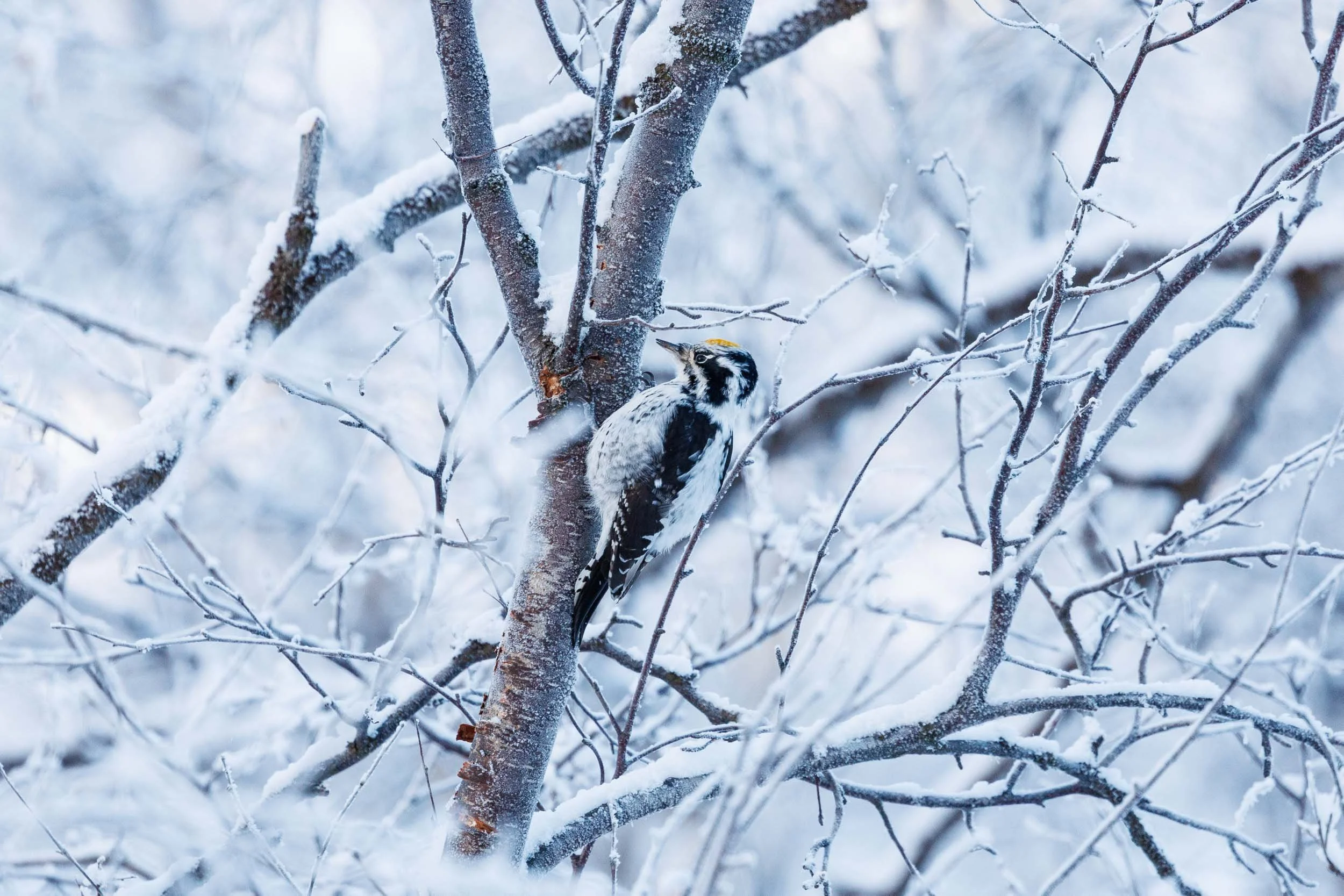
The three-toed woodpecker is another of the resident birds of Abisko National Park that spends the winter here. It is quite shy and reclusive, but if you know where to look and walk quietly through the park, you can hear it tapping on the birch trees, and with a little luck and patience, you can photograph it any time of the year. It was a very cold day in February, as you can see from the trees covered in frost and ice. These conditions don’t always occur, and I had been trying to get this shot—the woodpecker in a very wintry setting—for a couple of years.
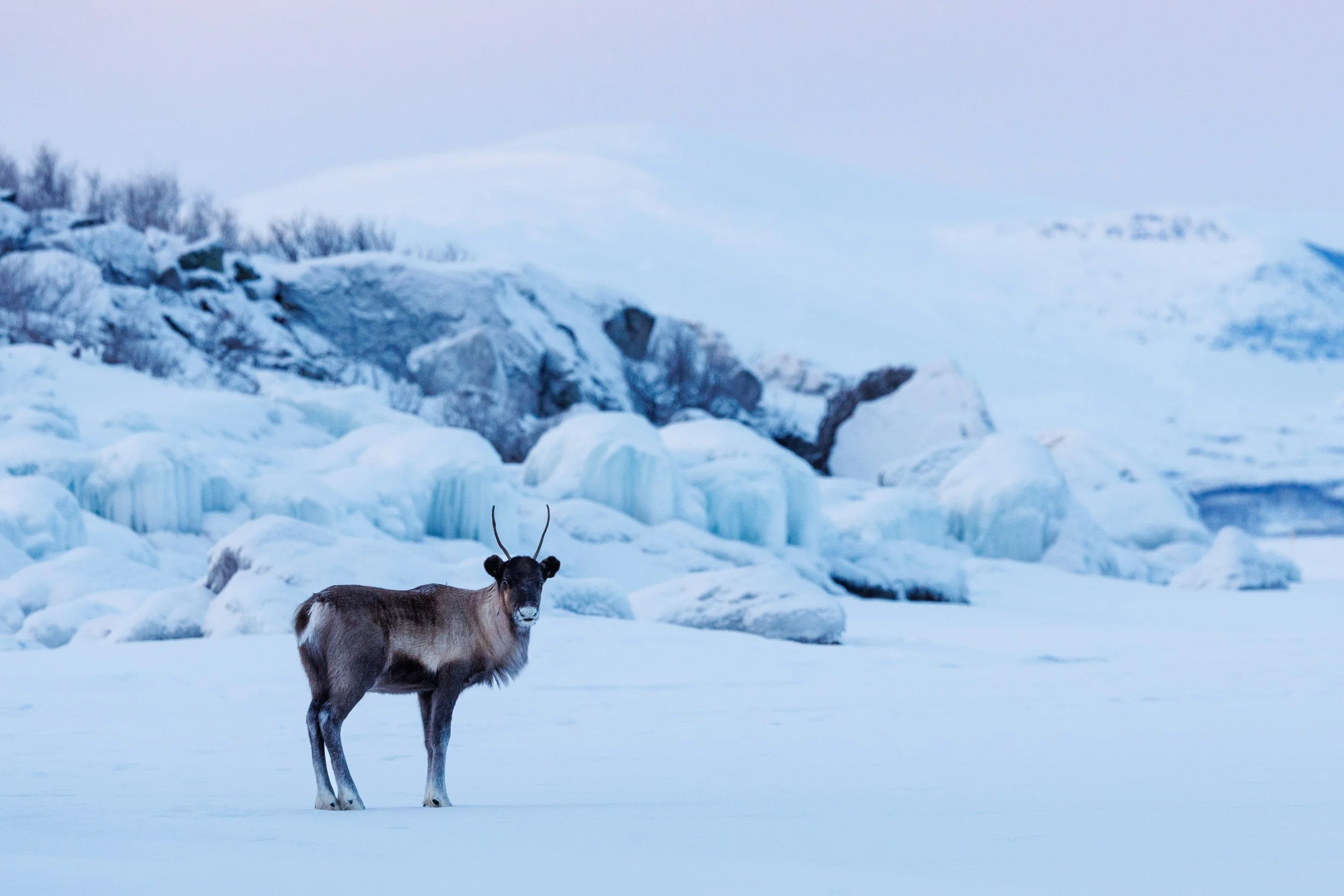
Walking on the immense frozen Lake Torneträsk you sometimes encounter animals. It's rare, especially in broad daylight, but it has happened to me a few times over the years. This image of a female reindeer, which I photographed against this unusual, sterile, frozen backdrop, is added to the collection. Definitely one of my favorite photos of the season
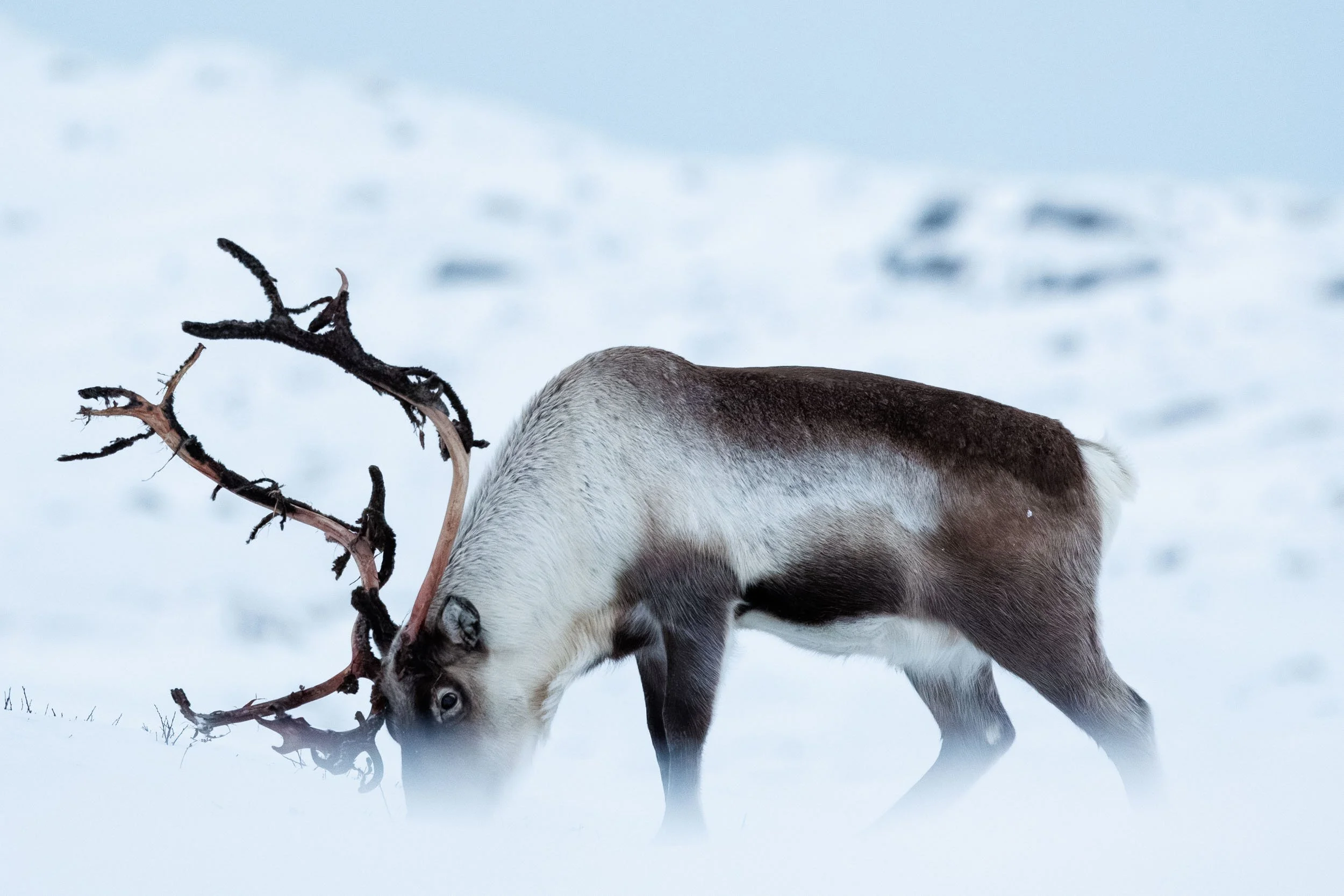
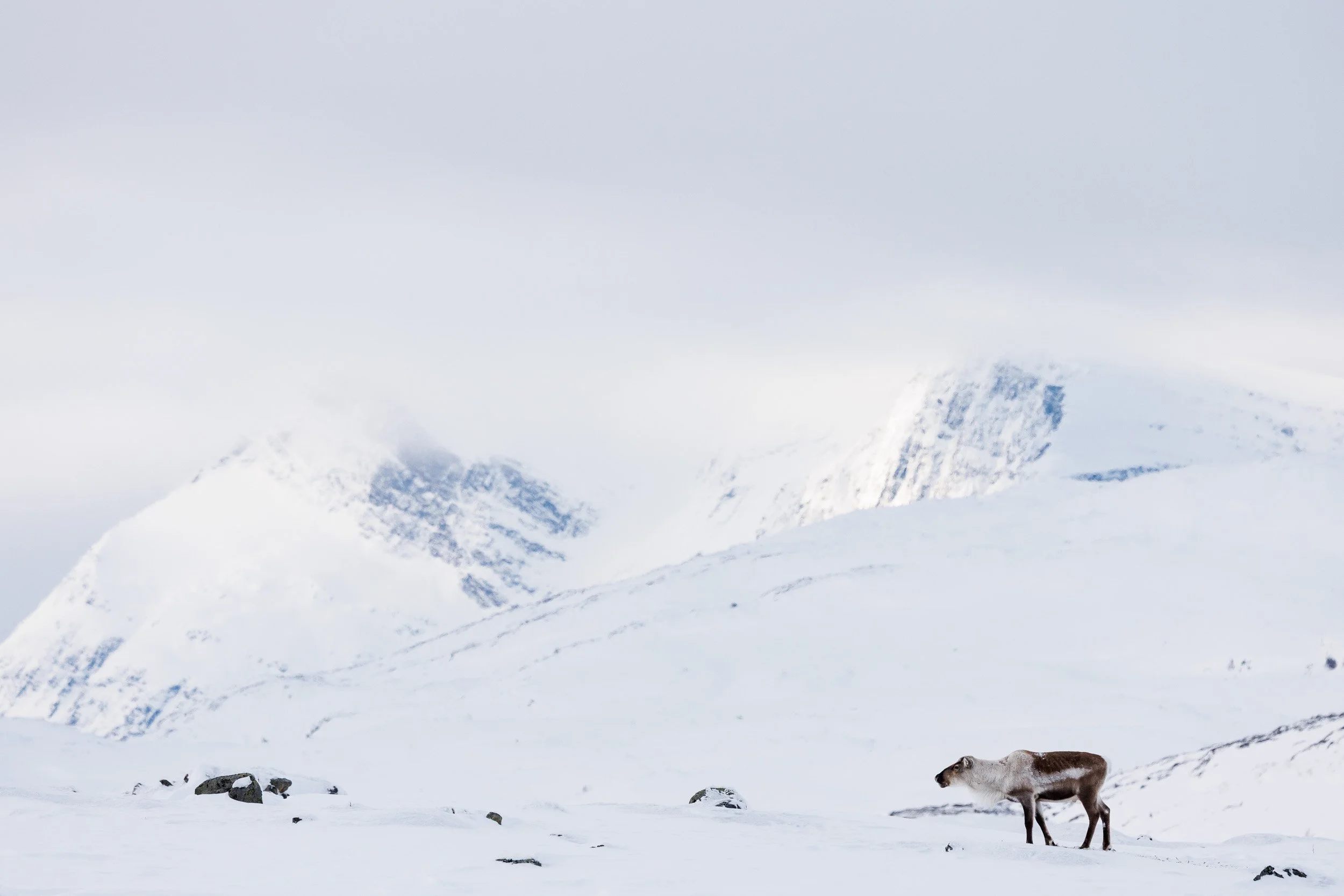
Another reindeer I met in the mountains—a lone male. The photo was taken near the border, with the Norwegian mountains in the background.
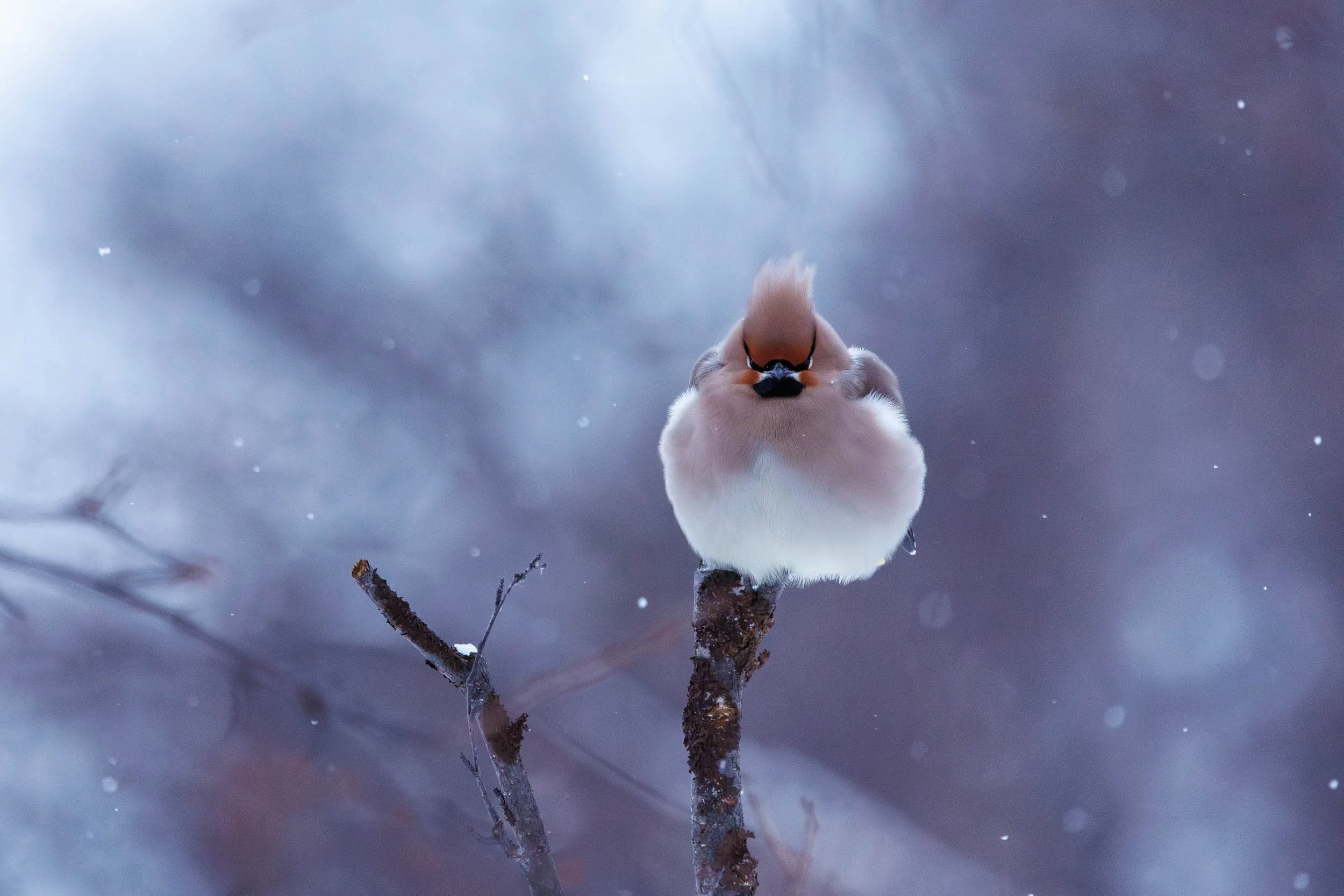
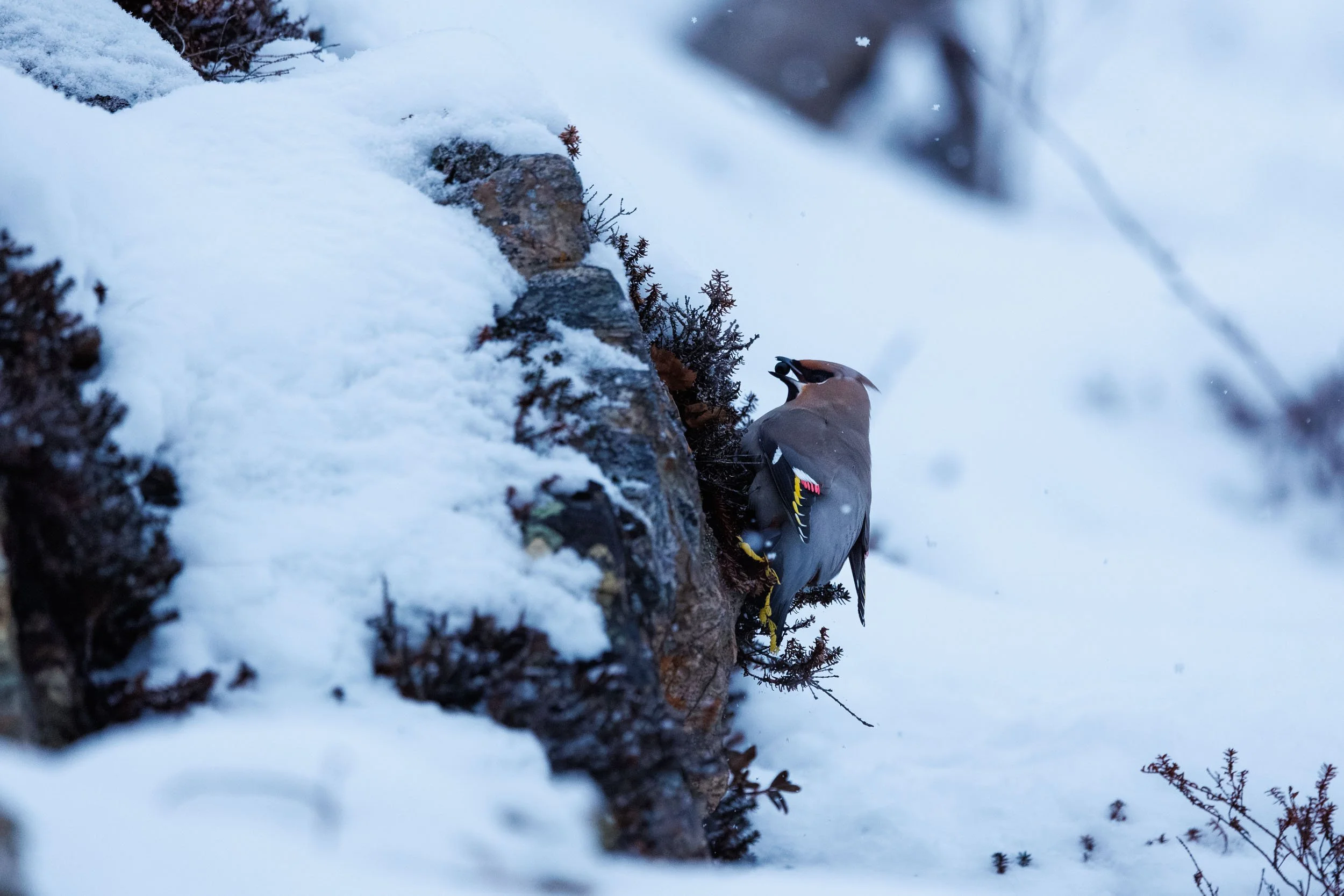
A portrait of a waxwing was definitely on my bucket list of shots to take in Abisko. I had already seen them on rowan trees in the village in autumn, but seeing them eating on the ground is quite rare.
They are very beautiful birds with colorful plumage, a striking crest on their heads, and an unmistakable call. These birds feed on berries, which are found in large quantities on the ground here. In this case, they were feeding on crowberries. I spent a couple of hours among this group of waxwings, who didn't pay much attention to me. Sometimes these birds can eat so many fermented berries that they get drunk, but I don't know if that was the case here.
It was one of the most special moments I spent in nature here in the Abisko National Park.
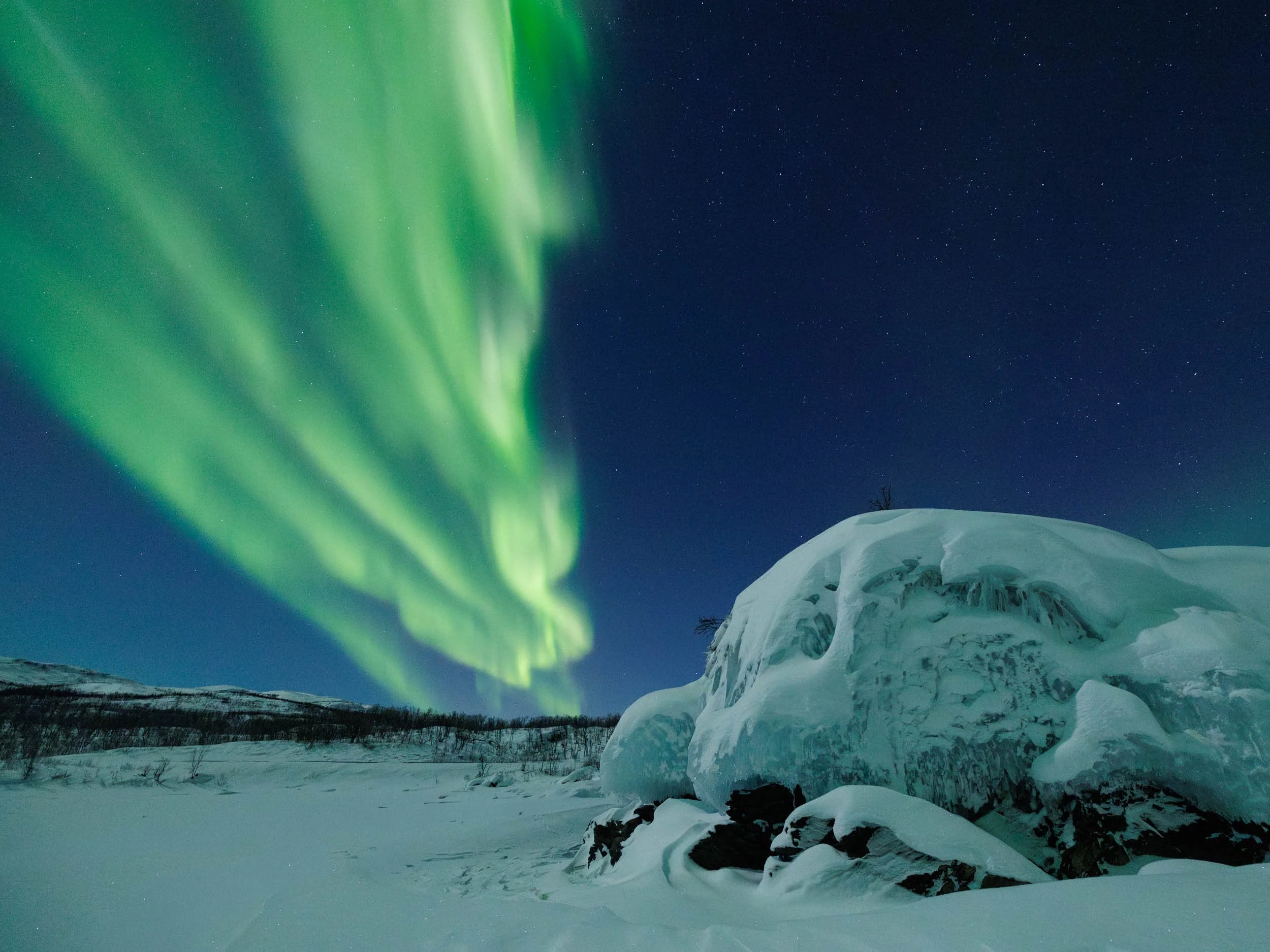
Bright moon and auroras. An incredible combination. A bright moon can definitely be a problem if you are dealing with weak auroras. But if solar activity is good and the auroras are intense, it is a magical experience! The 2025–2026 season was definitely a great one for the aurora, perhaps the best I can remember in terms of consistency and favorable weather. This spectacular aurora under a full moon—which I was lucky enough to witness alongside my parents, who had come to visit me that week—is one of the memories that will stay with me forever.
If you have come this far, thank you for your interest and I hope you have found this gallery interesting. Below you will find the same images with the option to look at the larger versions. If you want to stay updated on my latest images, workshops and photographic tours in the Alps and in Sweden, sign up for the newsletter (the form is at the bottom of the page) or contact me.
Want to put one of these pictures on your wall?
All the photos in this gallery are photos that I am fond of, photos that I took out there somewhere,the fruit of my work and my passion.
I personally print my photos in my studio on fine art paper with a professional Canon printer in A4/A3/A3+ formats. If you would like to hang one of these photos on your wall or simply want to have some information, please contact me and I will be more than happy to answer you.


